Bénin lawmakers convene for urgent budget and mediator law revisions
Members of the 10th legislature will gather this Friday at the Palais des Gouverneurs to consider two bills under an accelerated procedure.
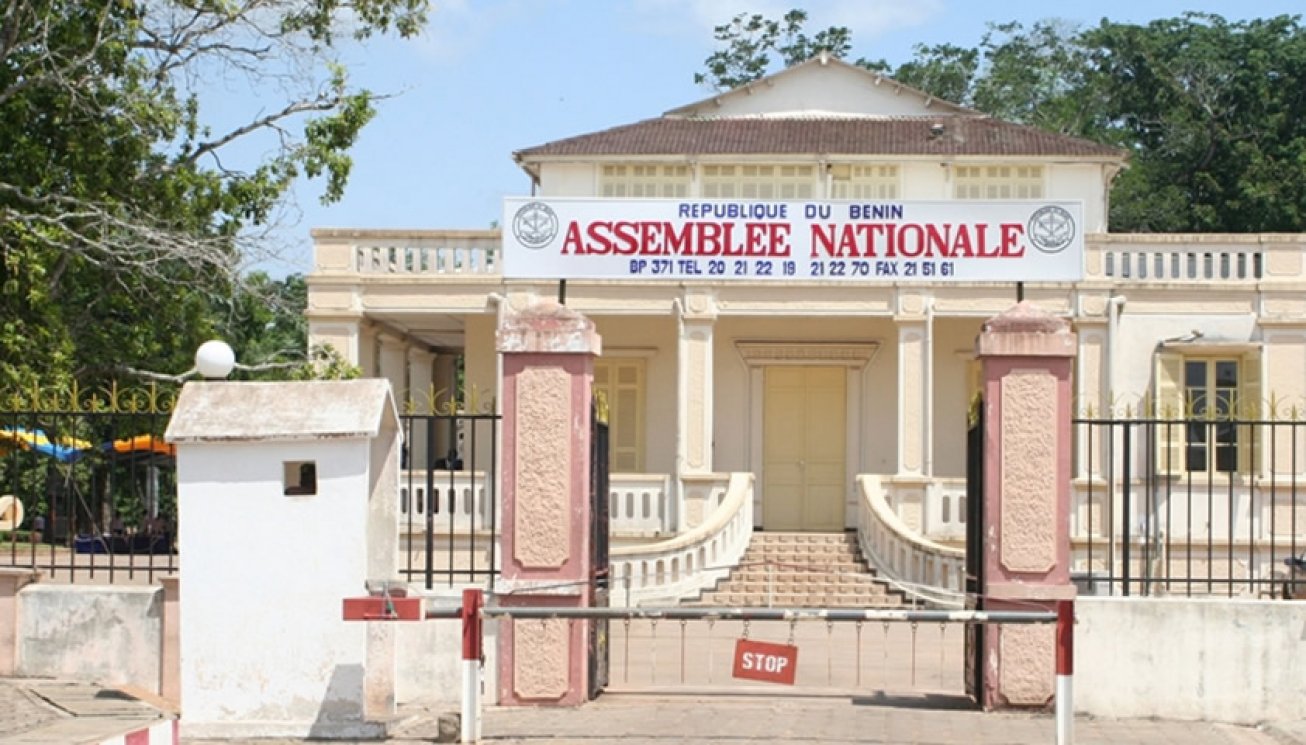
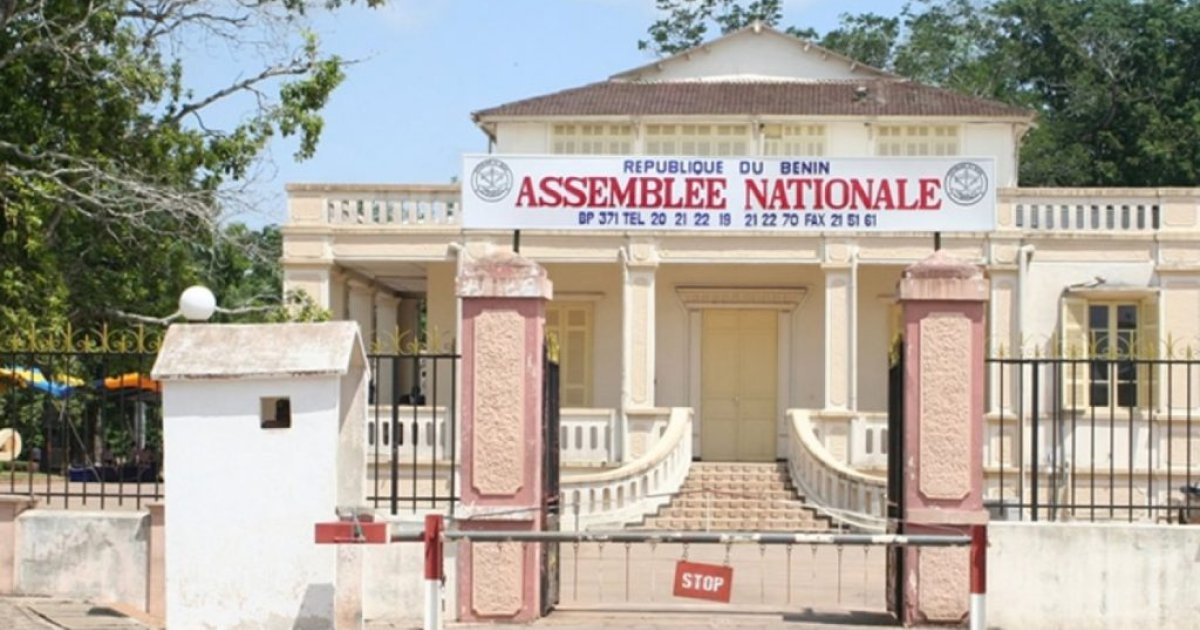
National Assembly president Joseph Djogbénou has summoned colleagues to a plenary session scheduled for Friday, 19 June 2026. The agenda features two legislative proposals submitted under urgent procedure: the 2026 rectified budget bill and an amendment to the law governing the organisation and functioning of the Médiateur de la République.
The Conference of Presidents approved this tight schedule to enable swift examination and adoption of these texts, deemed high priority. This urgency stems from the need to quickly align public action with the new government configuration following President Romuald Wadagni’s assumption of office and the strategic directions he has outlined.
The rectified budget proposal increases the overall state budget from 3,783.984 billion to 4,086.620 billion FCFA, an 8 percent rise.
Implications of the rectified budget
Macroeconomic projections under the rectified budget remain unchanged, with a growth rate maintained at 7.5 percent. Personnel costs show a 9.8 percent reduction, a rationalisation achieved without affecting planned recruitments or expenditure on goods and services. Meanwhile, budget revenues increase by 2 percent, and investment spending rises by 8.5 percent.
Beyond financial balances, this rectified finance bill signals a clear shift toward social priorities. New credits are mobilised to strengthen social protection and human capital, notably through the installation of water points in schools and health centres, acceleration of the 1,000-day nutritional supplementation programme, reinforcement of compulsory health insurance, and support for children living on the streets or in begging situations.
The education sector also receives a significant boost with the launch of free tuition for girls in general secondary education from the 2026–2027 school year, alongside a programme to build storerooms for school canteens.
On internal security, the state increases its allocations to consolidate the public safety apparatus. This effort primarily targets the deployment of a video surveillance solution in major urban centres. Health and infrastructure sectors are not left behind, with enhanced credits under the Public Investment Programme to support the construction and rehabilitation of hospitals and dispensaries, the operational launch of the International Hospital of Calavi, and the execution of sanitation and transport works.
Finally, in a context of rising prices due to geopolitical crises, the government intends to support the productive sector through subsidies for agricultural inputs. This measure aims to improve productivity and strengthen national food security.
Friday’s session thus promises to be a key parliamentary moment, both because of the financial scope of the budget amendment and the political and social signals it sends.