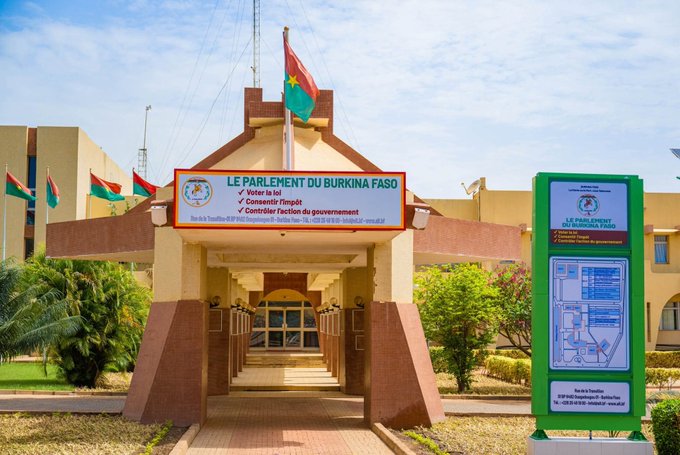
Approved by the council of ministers on 19 march 2026, the proposed law on religious freedom is set to reach a critical milestone. The legislative assembly of the people (ALP) will review the text this saturday, 20 june 2026, the national legislature announced.
In a nation long celebrated for its religious tolerance and peaceful coexistence model, the bill generates both anticipation and queries. Behind its legal provisions lie pivotal decisions for the future of secularism and social cohesion amid ongoing security challenges.
Arguments in favour: regulating to protect
For supporters and the transitional government, this legislative update has become vital for several reasons:
- Countering extremism: Facing the security crisis, the state seeks clear legal tools to combat hate speech, radical indoctrination, and the exploitation of religion for destabilisation.
- Overseeing financing and opening of places of worship: A key argument is the need for transparency. The bill aims to clarify the origins of funds supporting certain religious associations and standardise rules for opening prayer spaces to prevent disorder.
- Ensuring equality for all: The draft reaffirms the principle of state neutrality, aiming to prevent any community—majority or minority—from feeling marginalised or favoured by public institutions.
Points of caution: preserving fundamental freedoms
Civil society organisations and some religious leaders urge careful consideration. Saturday’s debate at the ALP must address several concerns:
- Risk of state interference: Some fear that overly strict regulation could become political control over faith and free expression of religious leaders.
- Sensitivity of the social fabric: In an already tense climate, tampering with the religious framework is delicate. Observers stress that the law must arise from inclusive consensus to avoid weakening national unity.
The challenge of saturday’s parliamentary session will be striking the right balance: equipping the state to protect the nation from dogmatic excesses while scrupulously guaranteeing the freedom of conscience of every Burkinabè citizen. The votes and amendments by transitional deputies will be closely watched by public opinion.