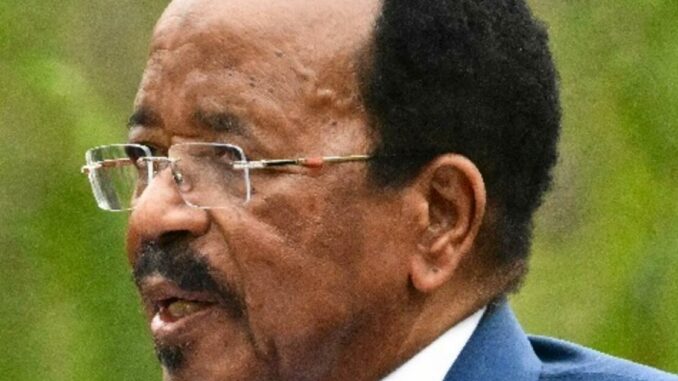
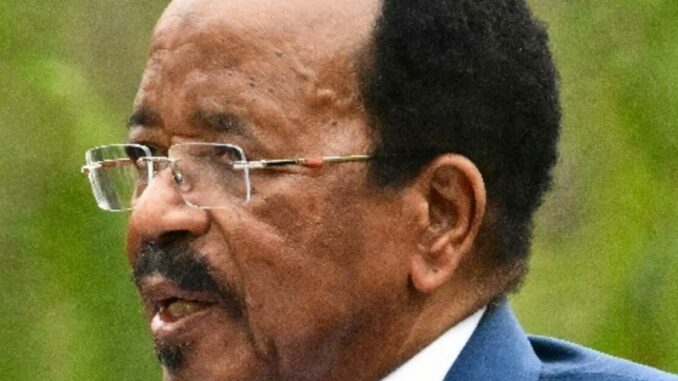
Nearly two months after departing Cameroon for what authorities describe as a “brief private visit to Europe,” President Paul Biya remains out of the country. At 93 years old, the veteran leader’s prolonged absence has reignited concerns about his ability to govern, particularly as silence from state officials fuels speculation amid a politically tense post-election landscape.
Government officials have sought to quell rising doubts, insisting that Biya continues to fulfill his duties remotely and emphasizing that no constitutional clause restricts the duration of a president’s overseas stay. In Yaoundé, authorities dismiss claims of power vacuums or institutional instability, asserting that state affairs are being managed smoothly despite the president’s absence.
Such reassurances have done little to ease skepticism among opposition figures. Maurice Kamto’s Cameroon Renaissance Movement (MRC) has sharply criticized the lack of transparency, arguing that citizens deserve clarity on the president’s health and capacity to lead. The party contends that the secrecy surrounding Biya’s European trip only deepens uncertainty rather than resolving it.
Other critics are focusing on structural weaknesses rather than the president’s absence itself. Cabral Libii, leader of the National Patriotic Party (PCRN), suggests that the real concern lies in the inadequacies of Cameroon’s legal framework governing power succession. He points to the upcoming 2027 legislative and municipal elections as a potential catalyst for institutional reforms that could address these systemic gaps.
With just eight months remaining before Biya is set to begin another seven-year term, his extended absence has exposed longstanding vulnerabilities in a political system deeply entrenched around a single leader who has held power for over four decades. What began as a debate over a presidential trip has evolved into a broader conversation about governance, succession planning, and the urgent need for greater accountability at the highest levels of the state.