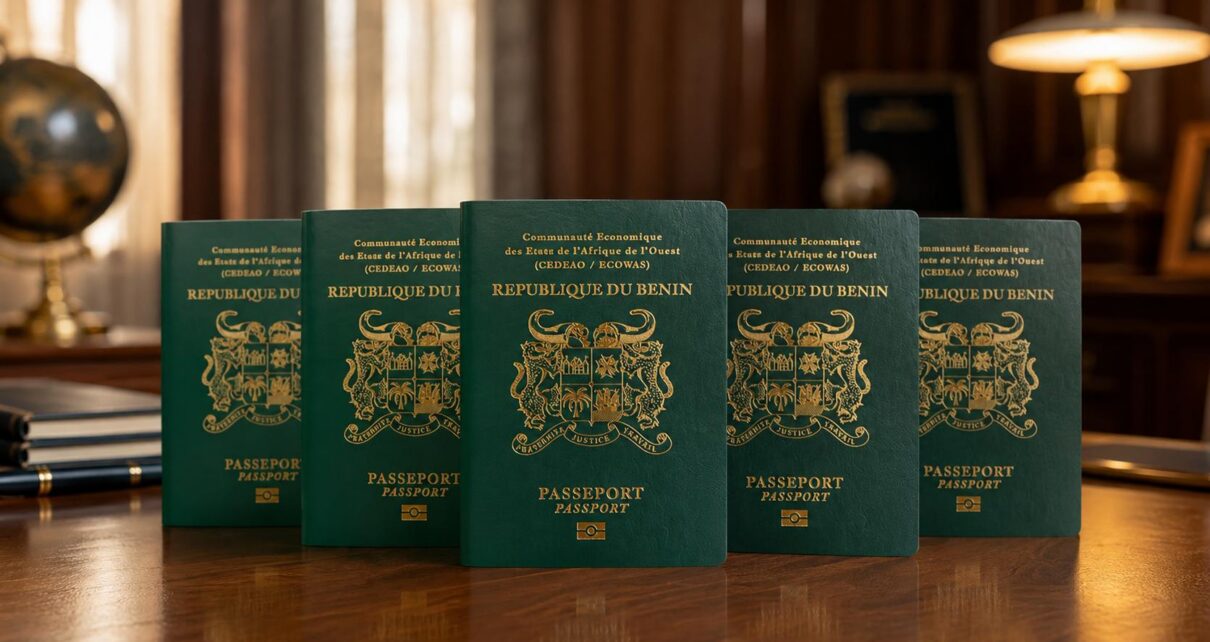
The Benin passport has surged to the forefront of African travel freedom, reflecting a bold diplomatic strategy rooted in openness and technological innovation. Over recent years, this passport has climbed the ranks in continental mobility assessments, earning recognition as one of the most powerful travel documents on the continent for intra-African travel.
How the Benin passport achieves its top ranking
Understanding the Benin passport’s impressive standing requires examining two distinct evaluation frameworks:
- Intra-African mobility (2nd place): Within the African Openness and Mobility Index—a benchmark supported by initiatives like the African Development Bank (AfDB) and the African Continental Free Trade Area (AfCFTA)—Benin secures the second position continent-wide. This index evaluates how easily citizens of a country can travel across Africa’s 54 nations without prior visas or with visas granted upon arrival.
- Global mobility (~13th in africa, top 70 worldwide): On the Henley Passport Index, which assesses access to all countries globally, the Benin passport ranks around 13th in Africa and within the top 70 worldwide. Notably, it holds the top spot in the West African Economic and Monetary Union (WAEMU) zone.
Key drivers behind Benin’s diplomatic success
The Benin passport’s ascent stems from a proactive diplomatic strategy built on three foundational pillars:
Championing pan-african openness
By unilaterally eliminating visa requirements for all African nationals entering Benin, the country set a powerful precedent. This move sparked reciprocal diplomatic gestures, encouraging other African nations to reciprocate by easing entry conditions for beninese citizens.
Enhancing document credibility and security
The modernization of passport issuance processes, integration of advanced biometric technologies, and digitalization of civil registration systems have bolstered the document’s reliability. These upgrades have fostered greater trust among foreign governments regarding the passport’s authenticity.
Expanding bilateral agreements
Benin’s diplomacy has prioritized negotiating visa exemption agreements with third countries for ordinary, service, and diplomatic passports, further amplifying its global mobility.
Economic and geopolitical ripple effects
For beninese entrepreneurs, cultural professionals, and academics, the passport’s enhanced status unlocks tangible benefits. Reduced bureaucratic hurdles facilitate easier access to regional markets, accelerate the implementation of the AfCFTA, and solidify Cotonou’s role as a key sub-regional business hub.