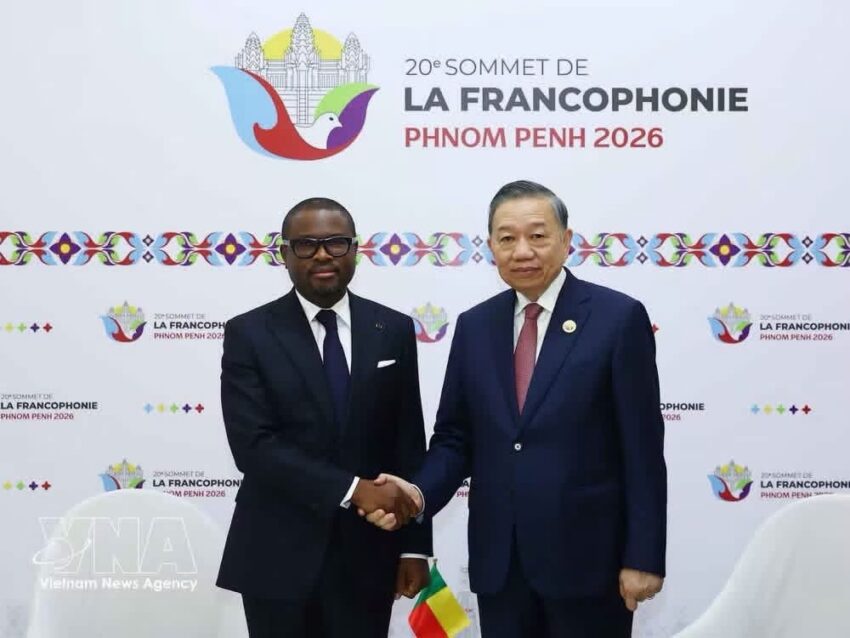
The future of Benin’s economy may hinge on a single diplomatic conversation held amid the diplomatic corridors of Phnom Penh. On November 15, Romuald Wadagni, Benin’s Minister of Economy and Finance, met with his Vietnamese counterpart, Tô Lâm, on the sidelines of the Francophonie Summit. While the diplomatic protocol unfolded as expected, the economic stakes of this encounter far outweigh ceremonial formalities.
At the top of the agenda were rice, cashew nuts, cotton, aquaculture, and port infrastructure sectors directly tied to Benin’s agricultural, industrial, and trade ambitions. Yet beneath the polished communiqués lies a pressing question: is Benin content to remain a supplier of raw materials to Vietnam, or does it seek to leverage this partnership as a catalyst for industrial development?
From Field to Factory: The Cashew Conundrum
The cashew sector exemplifies the dilemma. Vietnam boasts a robust cashew processing industry and dominates the global market. Benin, meanwhile, produces high-quality raw cashew nuts that are in demand by Vietnamese processors. This complementarity presents an opportunity but also a danger. The risk? Benin could be locked into the role of perpetual supplier, exporting unprocessed nuts while the lucrative transformation, job creation, and value-added profits are captured abroad.
The true wealth of the cashew industry does not lie in harvest and export alone. It lies in peeling, packaging, processing, marketing, and the entire industrial chain that follows. Each processing step conducted within Benin generates additional employment, skill transfer, local business growth, and economic returns. For the country to benefit fully, it must move beyond merely attracting buyers to actively inviting investors to establish and operate processing plants on its soil.
Buying a raw material is a commercial transaction. Establishing an industrial unit is a binding economic commitment one that reshapes entire communities.
Rice, Cotton, and Aquaculture: Beyond Production to Transformation
The talks on rice, cotton, and aquaculture must be assessed through the same lens. Benin must seek partnerships that go beyond market access. It needs collaboration that enhances yields, introduces modern techniques, promotes agro-processing, and unlocks new markets. The goal is not just to sell more rice or cotton it is to produce better, add value, and retain more of the wealth within the country.
Vietnam’s expertise in agricultural processing, particularly in rice and aquaculture, presents a valuable learning opportunity. But such knowledge transfer requires more than goodwill it demands concrete investment in training programs, technology transfer, and joint ventures that empower local entrepreneurs.
Ports and Logistics: The Backbone of Economic Sovereignty
Modern port infrastructure is not just a commercial facilitator; it is a pillar of economic sovereignty. Without efficient logistics, adequate storage, and competitive trade networks, Benin’s ability to expand exports and integrate into global value chains remains severely limited. The agreements on port development, if implemented, could unlock the nation’s full export potential but only if they align with industrial and agricultural transformation goals, not merely raw material shipment.
A Dangerous Trend: From Diplomatic Deals to Economic Illusions
One trap Benin must avoid is confusing diplomatic engagement with economic progress. Partnerships should not be measured by the number of summits attended or the length of press releases issued. They are defined by hard outcomes: investments made, jobs created, technologies transferred, and wealth retained within national borders.
The 2024 agricultural agreement between Benin and Vietnam was a promising first step yet two years later, its impact remains largely theoretical. The time for declarations has passed. The focus must now shift to implementation, accountability, and measurable results. Why have previous commitments stalled? And what policy and regulatory reforms are needed to accelerate action?
A National Imperative: From Supplier to Producer
For Wadagni, this first meeting in Phnom Penh signals the dawn of a critical journey. Benin cannot afford to become an agricultural hinterland feeding foreign industries. It must become a territory where raw materials are transformed, where skills are developed, and where investment creates tangible benefits for its citizens.
Vietnam can be a strategic ally in this transformation but only if the partnership enables Benin to rise from the role of raw material supplier to that of an industrial powerhouse. The choice is not between economic stagnation and foreign partnership. It is between perpetuating dependency or seizing the chance to build a diversified, resilient economy. The window of opportunity is open, but it will not remain open indefinitely.
Conclusion: The Time for Action is Now
The meeting in Phnom Penh was not just a diplomatic formality. It was a moment of reckoning. Benin’s future economic trajectory will be shaped by how it negotiates this partnership. Will it lock itself into an unequal exchange, or will it negotiate from a position of strength to build local industry, create jobs, and secure lasting prosperity?
The answer will determine whether Benin’s agricultural abundance becomes a foundation for industrial strength or a missed opportunity for generations to come.
By Martin Ngu — Journalist