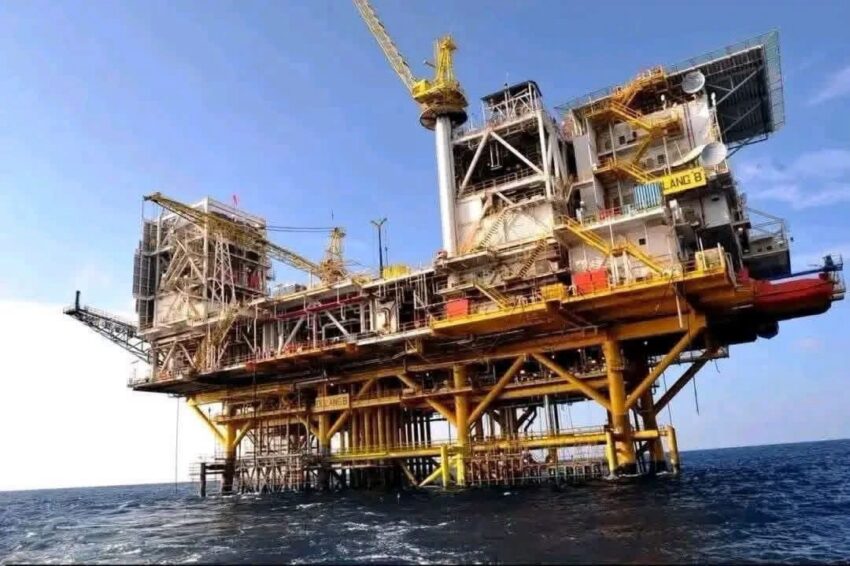
After nearly thirty years on hold, Benin has rejoined the global oil market with a historic shipment from the offshore Sèmè field. A tanker carrying 330,000 barrels of crude oil set sail for Rotterdam, Netherlands, marking the first commercial export from a project that had lain dormant since the late 1990s. This milestone signals more than just renewed production; it introduces a potential shift in the country’s economic landscape, with implications for revenue, industrial growth, and national development.
From dormancy to delivery: the long road back to production
The Sèmè field, located off Benin’s coastline, was first tapped between 1982 and 1998. Declining output, technical hurdles, and shifting market conditions led to its shutdown, leaving the nation without a crucial energy asset for nearly three decades. Its revival required significant investment in drilling, infrastructure upgrades, and technical expertise, culminating in the resumption of extraction in early 2026 under Akrake Petroleum Bénin.
The maiden voyage of the tanker Kriti Jade, bound for Rotterdam, is not a routine shipment it represents a historic turnaround. Arrival is scheduled for November 18, 2026, according to maritime tracking data, underscoring the precision and coordination behind this return to international trade.
Economic ripple effects: beyond the first barrel
For a country whose economy has long relied on agriculture, services, and port activity, the resumption of oil production introduces a new dimension of opportunity. Exporting crude oil diversifies Benin’s revenue streams, stabilizes foreign exchange reserves, and strengthens public finances all vital in an era of volatile global energy prices and supply chain disruptions.
Yet the impact extends beyond revenue alone. The offshore operations have the potential to invigorate related sectors such as maritime logistics, industrial maintenance, engineering, and technical services. With proper local content policies, Benin’s enterprises could secure contracts, develop skilled labor pools, and build domestic expertise in energy infrastructure.
This resurgence also sends a signal to international investors. Successfully rehabilitating an aged oil field and delivering a shipment to foreign markets demonstrates operational capability and regulatory stability qualities that could attract further investment in the energy sector.
Measuring success: what really matters
The true test of this project lies in long-term sustainability. Key factors include consistent production volumes, stable global oil prices, transparent revenue sharing, and efficient operational costs. Without clear oversight, the benefits of oil exports risk being diluted by hidden expenses or unequal contracts. Transparency in production data and revenue allocation will be essential for citizens and policymakers to assess whether this revival translates into tangible progress.
Limits of a raw export economy
It is important to note: exporting crude oil does not immediately lower fuel prices at home. Benin will continue to import refined petroleum products such as gasoline and diesel to meet domestic demand, as no local refinery is currently operational. This reality highlights a missed opportunity for value addition but one that could be revisited in the future.
A long-term strategy could explore building refining capacity, provided sufficient volumes, quality, and profitability are assured. Such a move would allow Benin to retain more value within its economy, from processing to retail sales, potentially lowering consumer costs and creating higher-skilled jobs.
Environmental and operational integrity: non-negotiable priorities
Offshore oil production carries inherent risks environmental damage, equipment failures, and safety incidents. As Sèmè field ramps up, Benin must enforce rigorous environmental safeguards, regular monitoring, and contingency planning. Protecting coastal and marine ecosystems is not optional; it is a prerequisite for sustainable development and public trust.
Workforce safety, spill prevention, and adherence to international operational standards must guide every phase of the project. Failure in these areas could erode public support and attract sanctions, undermining the entire endeavor.
The ultimate test: turning oil into national wealth
The return of Sèmè’s oil is only the beginning. For this initiative to deliver lasting benefits, revenues must be channeled into productive investments: modern infrastructure, renewable energy, education, and healthcare. Public reporting of oil revenues and production data will be crucial for accountability and citizen engagement.
Benin now stands at a crossroads. It can follow the path of short-term extraction and export, or use this moment to lay the foundation for a diversified, resilient economy. The choice will define not just the future of its energy sector, but the prosperity of generations to come.
By Cécile Mboua — Journalist