Benin’s latest road safety enforcement blitz is reshaping the daily commute for thousands of citizens, while businesses and commuters alike grapple with the immediate consequences of stricter traffic controls. Since the nationwide crackdown began, drivers and riders are facing unprecedented scrutiny, with fines piling up and travel patterns shifting under the pressure of heightened police presence.
Police enforcement intensifies across major cities
On the streets of Cotonou, Abomey-Calavi, Porto-Novo, and other key urban hubs, the Police républicaine is deploying targeted patrols aimed at curbing dangerous driving habits. Within just 48 hours of the operation’s launch, authorities reported over 100 two-wheeler riders and a dozen car drivers brought in for violations, with hotspots like Fidjrossè and the Marina Boulevard seeing particularly heavy enforcement.
The crackdown extends beyond the capital. Cities such as Ouidah, Bohicon, Parakou, and Sèmè-Podji are also experiencing intensified traffic monitoring, as police seek to establish a consistent culture of road discipline nationwide. The move reflects a broader strategy to reduce accident rates and improve public safety, but it’s already producing ripple effects on mobility and local economies.
Financial and logistical fallout for drivers and businesses
The economic burden of fines is becoming a growing concern for everyday citizens. Common infractions now carry hefty penalties: using a mobile phone while driving or riding costs 20,000 CFA francs, overloading a vehicle or motorcycle incurs 10,000 francs, driving against traffic is fined 6,000 francs, and riding without a helmet draws a 5,000-franc penalty. These amounts, while intended to promote safety, are adding up quickly for working-class commuters who depend on two-wheelers and shared transport.
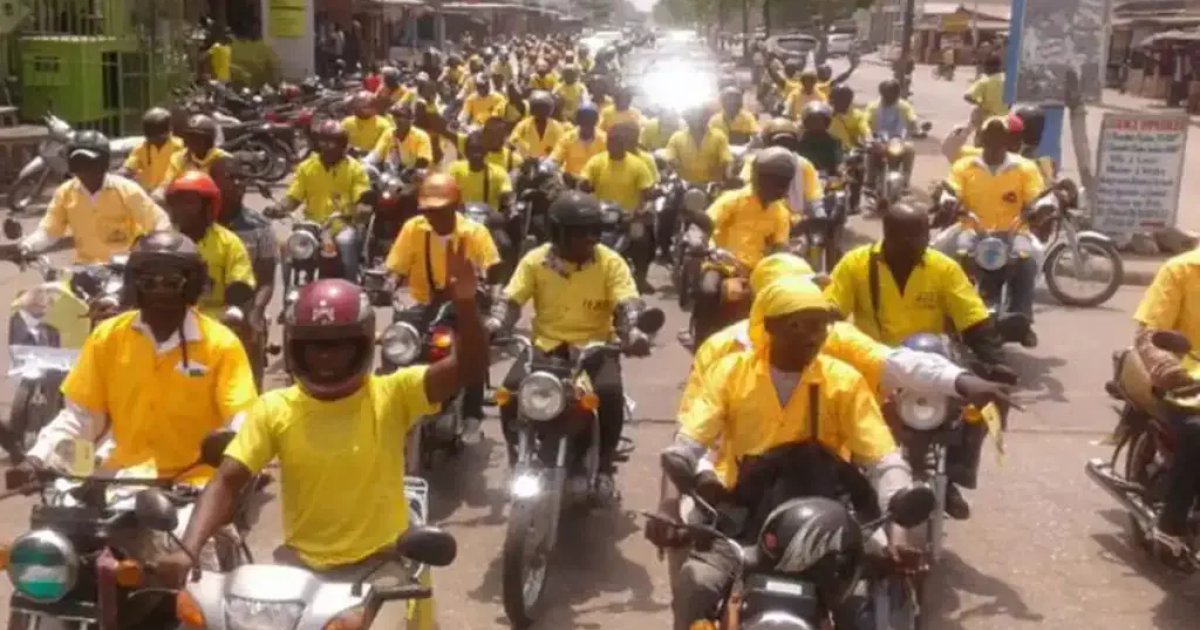
Local transport cooperatives and small business owners—many of whom rely on motorcycles for deliveries—are reporting delayed services, increased operational costs, and slower route turnovers. Some riders have temporarily suspended operations in high-traffic zones to avoid repeated fines, while others are adjusting schedules to travel during off-peak hours, when patrols are less frequent.
Impact on daily mobility and public transportation
Public transport schedules are also feeling the strain. Taxi drivers and informal transit operators are spending more time navigating alternative routes to bypass heavily monitored intersections, contributing to longer travel times and passenger frustration. Commuters report longer wait times and fewer available rides, particularly in residential areas far from police checkpoints.
While the long-term goal is improved safety and reduced casualties, the short-term disruption is palpable. Residents are adjusting routines, businesses are recalculating delivery timelines, and the psychological impact of constant surveillance is beginning to reshape how people move through Benin’s urban landscape.
Long-term vision meets immediate reality
The Police républicaine has emphasized that the campaign is designed not just to punish, but to foster behavioral change. By targeting high-risk behaviors like distracted driving, helmet non-compliance, and traffic violations, authorities aim to embed safer habits in the national culture of mobility. Yet, as fines accumulate and routes become less predictable, the question remains: will the benefits of reduced accidents outweigh the economic and logistical costs borne by Benin’s drivers and businesses today?