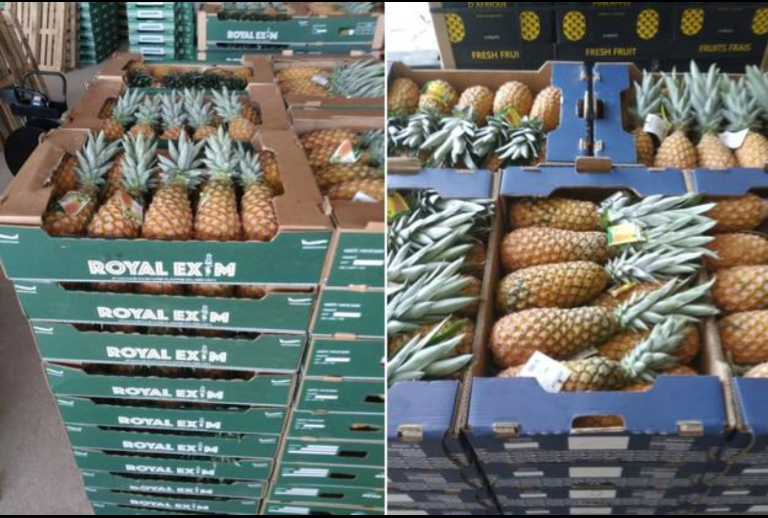
Benin’s exports to the United Kingdom have surged by 62.5% over the past year, reaching a total of £13 million in the twelve months leading up to June 2026. This remarkable increase, driven primarily by agricultural products such as fruits and vegetables, marks a significant shift in bilateral trade dynamics. However, while the growth is promising for Benin’s economy, it has yet to bridge the trade deficit that continues to favor the UK.
From local farms to British shelves: how Benin’s produce is reshaping trade
According to the latest trade figures released by the UK’s Department for Business and Trade, Benin’s exports to the UK totaled £13 million, a sharp rise compared to the previous year’s performance. This surge is predominantly attributed to a 400% increase in merchandise exports, which alone were valued at £5 million. Fruits and vegetables emerged as the standout performers, with UK purchases of these products amounting to £5.2 million.
The agricultural sector’s success in penetrating the UK market highlights the potential of Benin’s local industries to compete on international stages. For farmers, exporters, and agribusinesses, this trend represents a golden opportunity to expand their reach beyond traditional markets and tap into high-demand sectors in developed economies.
Key challenges in sustaining growth
While the numbers paint a bright picture, experts caution that maintaining this momentum will require overcoming several hurdles. Strict compliance with sanitary and phytosanitary standards, robust product traceability, consistent quality control, and efficient cold chain management are critical to ensuring that Benin’s produce meets the UK’s rigorous import requirements.
Additionally, the cost of transportation and logistics infrastructure remains a significant barrier. Addressing these challenges will be essential for Benin to consolidate its foothold in the UK market and ensure long-term success in agricultural exports.
UK exports to Benin decline as trade imbalance persists
Despite Benin’s export growth, the trade balance still tilts heavily in favor of the UK. British exports to Benin fell by 6.9% over the same period, dropping to £54 million. While this decline reflects a slight reduction in the UK’s export dominance, the sheer volume of goods sent from the UK to Benin—£54 million compared to Benin’s £13 million—means the trade gap remains substantial. The deficit stands at £41 million, underscoring the need for Benin to diversify its export portfolio further and reduce its reliance on agricultural products.
The overall bilateral trade, valued at £67 million, grew by just 1.5% year-on-year. This modest increase masks the underlying shifts in trade patterns, where Benin’s agricultural exports are gaining ground, while the UK’s traditional export sectors are facing challenges in maintaining their dominance.
Opportunities for Benin in a shifting trade landscape
The trade data reveals untapped potential in the relationship between Benin and the UK. In 2025, the UK accounted for only 1.3% of Benin’s total trade, while Benin ranked 169th among the UK’s trading partners. These figures suggest room for significant growth in both directions, particularly for Benin as it seeks to carve out a larger slice of the UK market.
To leverage this opportunity, Benin must focus on diversifying its export basket. Moving beyond raw agricultural products to include value-added goods—such as processed foods, textiles, or handicrafts—could enhance competitiveness and reduce vulnerability to market fluctuations. Investing in local processing industries would not only create jobs but also increase the value of exports, making them more attractive to international buyers.
Enhancing logistical capabilities is another critical step. Improving port infrastructure, streamlining customs procedures, and adopting digital trade facilitation tools can lower costs and speed up the movement of goods. These improvements would make Benin a more reliable and efficient trade partner for the UK.
Can the export surge bridge the trade gap?
The surge in Benin’s exports to the UK is a positive development, but it is just one piece of a larger puzzle. While £13 million is a record for Benin, it pales in comparison to the £54 million the UK exports to Benin. Reversing this imbalance will require a sustained effort to not only maintain agricultural export growth but also to expand into new sectors.
For Benin’s policymakers and business leaders, the challenge ahead is clear: turn short-term gains into long-term gains. This means investing in infrastructure, innovation, and workforce development while fostering an enabling environment for businesses to thrive. Only then can Benin hope to close the trade gap and unlock the full potential of its economic relationship with the UK.
The coming months will be crucial in determining whether this export surge is a temporary spike or the beginning of a lasting transformation in Benin’s trade profile.