Public outrage over maternal mortality sparks urgent national strategy
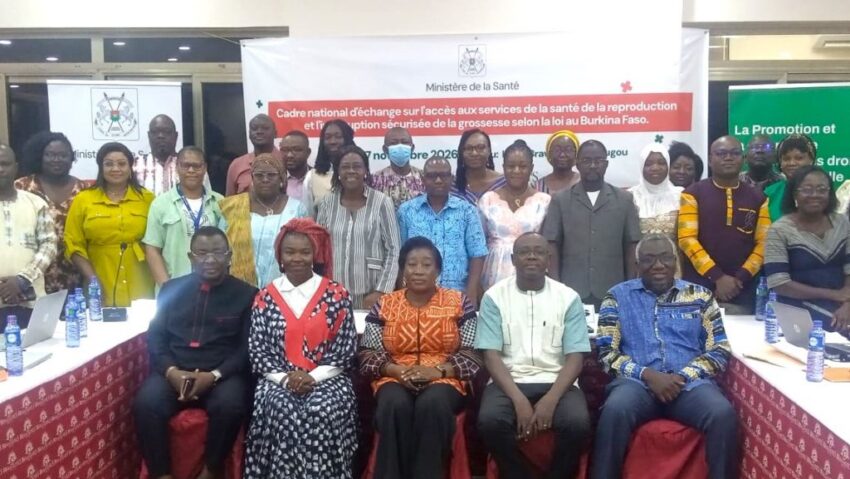
As Burkina Faso faces mounting criticism over its maternal mortality rate of 198 deaths per 100,000 live births—nearly three times the 2030 global target—the Ministry of Health has convened a landmark two-day national forum in Ouagadougou. The gathering brings together policymakers, health professionals, legal experts, civil society representatives, and development partners to address the fallout from the persistent reproductive health crisis, sparking intense public debate about the future of women’s healthcare access in the country.
Health experts and advocates demand legal clarity and systemic reform
The forum, organized by the Family Health Department with technical support from the Burkinabè Association for Family Wellbeing (ABBEF), marks a turning point in the national conversation. Participants are expected to dissect the root causes of preventable maternal deaths, including complications from unintended pregnancies and unsafe abortions performed outside the legal framework.
According to Regina Claudia Yaro/Zongo, study officer at the Ministry of Health, the current mortality figures starkly contrast with the international Sustainable Development Goal (SDG) target of fewer than 70 deaths per 100,000 live births by 2030. She emphasized that Burkina Faso has made progress through initiatives like free maternal and child healthcare, family planning services, and emergency obstetric and neonatal care, but acknowledged that these measures remain insufficient in the face of ongoing challenges.
Voices from the frontlines: civil society and technical partners weigh in
ABBEF Executive Director Mohamed Hamdy Kouanda framed the forum as a critical opportunity to bridge gaps between policy and practice. He stressed the need for stronger collaboration between the government and civil society to ensure that every woman and girl can access high-quality reproductive health services within the bounds of national law.
Dr. Clotaire Hien, representing the World Health Organization (WHO) and leading the technical and financial partner delegation, praised Burkina Faso’s efforts while urging accelerated action. “The gains made are commendable, but they must not obscure the fact that women continue to die needlessly due to preventable factors,” he stated. Hien highlighted the importance of sustainable funding, service quality improvement, and gender-sensitive healthcare delivery to address systemic inequities.
Legal framework in the spotlight as abortion laws spark controversy
Central to the discussions is the legally permissible conditions for safe abortion, a topic that has fueled public debate. Under Burkina Faso’s legal code, abortion is permitted in cases where the pregnancy endangers the woman’s life, when there is a high probability of severe fetal abnormality incompatible with life, or in instances of rape or incest—provided strict procedural conditions are met.
Forum participants are examining ways to improve public understanding of these provisions and simplify access to legal abortion services. The goal is to reduce reliance on unsafe practices while ensuring that women facing crisis pregnancies receive care that complies with the law.
Toward a unified roadmap for reproductive health transformation
The forum’s organizers have set an ambitious agenda: developing an actionable roadmap that outlines key priorities, assigns clear responsibilities, and establishes monitoring mechanisms to track progress. Key focus areas include:
- Preventing unintended pregnancies through expanded access to contraception and sexual education
- Strengthening emergency obstetric and neonatal care to handle complications promptly
- Enhancing post-abortion care to reduce long-term health risks
- Improving service quality and accountability across healthcare facilities
- Securing sustainable financing to ensure the durability of interventions
The roadmap will be finalized by the conclusion of the forum, with participants expected to commit to concrete timelines and measurable outcomes. The initiative reflects a growing consensus that Burkina Faso must act urgently to transform its reproductive health landscape and save lives.
What comes next: public expectations and accountability
The national dialogue has exposed deep divisions within Burkinabè society about reproductive rights and healthcare access. While some civil society groups applaud the government’s willingness to engage in open discussion, others argue that the current legal framework is still too restrictive and that systemic barriers—such as geographic disparities, stigma in healthcare settings, and cultural attitudes—must be dismantled.
As the forum concludes, all eyes will be on the Ministry of Health to deliver on its promises. The public debate shows no sign of abating, with citizens, activists, and health professionals alike demanding transparent progress reports, stronger legal protections, and immediate action to turn the tide on maternal mortality. The question remains: will this moment of reckoning lead to lasting change, or will the status quo prevail?