Local financing emerges as key strategy for sexual and reproductive health in Burkina Faso amid funding gaps
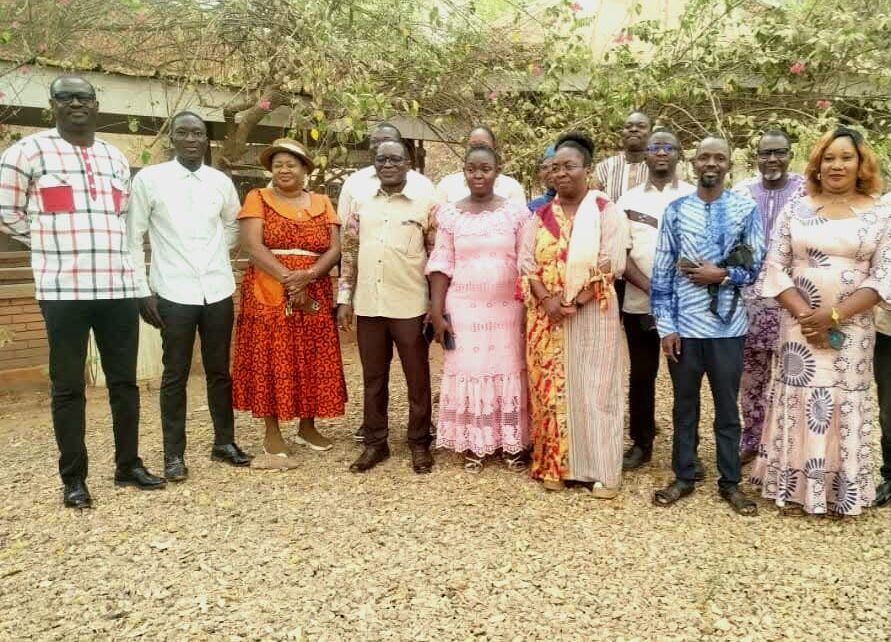
The African Media Network for Health and Environment Promotion (REMAPSEN) convened a critical discussion on March 24, 2026, addressing a pressing issue: how to sustain sexual and reproductive health (SRH) services in Burkina Faso when external funding declines and security challenges persist.
With over 81% of SRH funding previously coming from international partners, the country now faces a significant funding shortfall. This reality has forced national stakeholders to explore innovative domestic solutions to maintain essential health services.
Community engagement and local resource mobilization take center stage
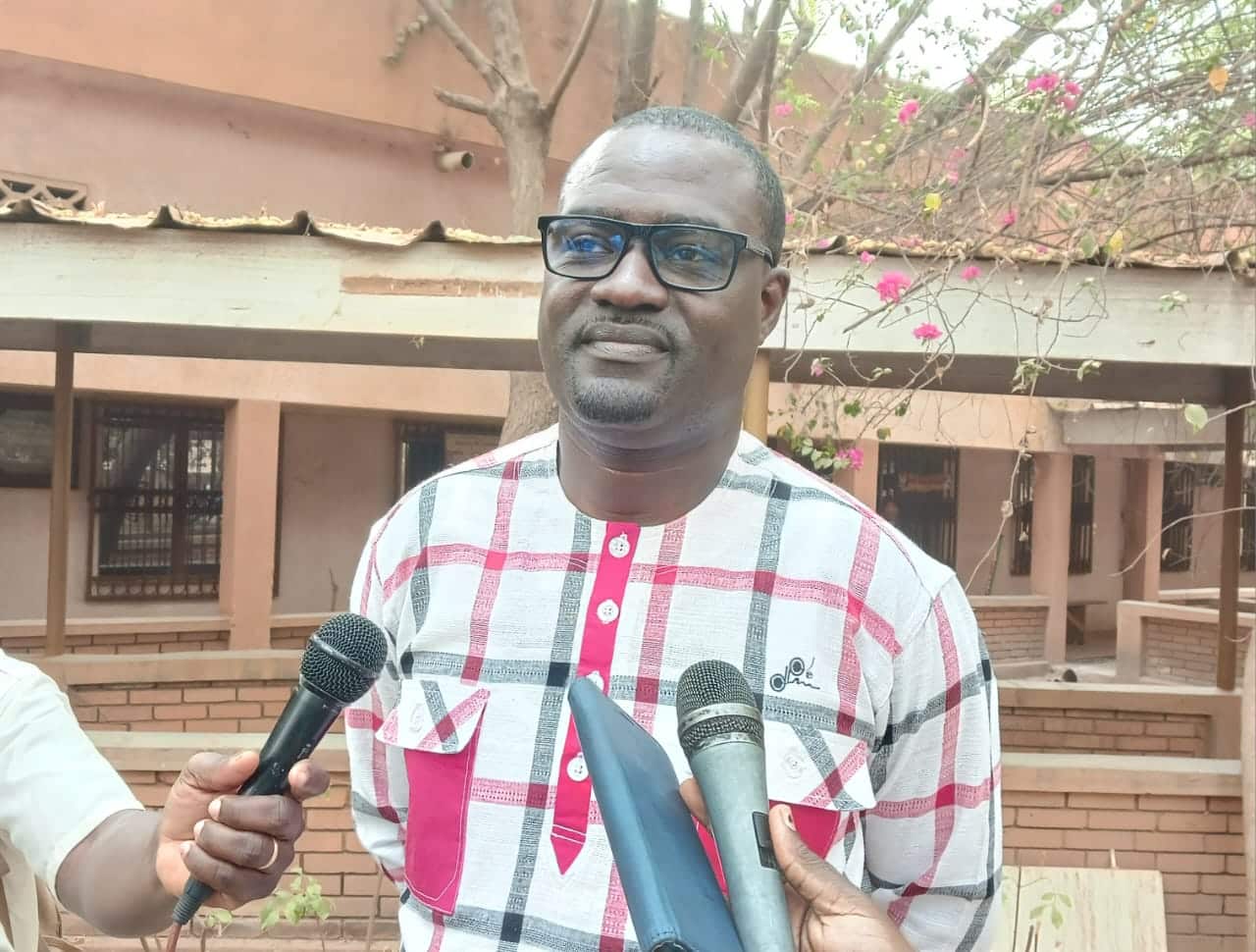
Désiré Thiombiano, Director of AMS Synergie Burkina Faso, emphasized that the solution lies in community awareness and direct participation. “We can no longer rely solely on international partners. Burkina Faso must invest in its own sexual and reproductive health to prevent early pregnancies, child marriages, and maternal deaths,” he stated.
Thiombiano outlined a three-pronged approach:
- Community sensitization: Educating populations on the importance of self-funding for SRH services
- Positive masculinity promotion: Engaging opinion leaders and religious figures in advocacy and communication
- Institutionalized local collection: Establishing transparent community-based financing systems through local governments
Government commits to continued investment despite challenges
Dr. Clarisse Bougma, representing the Director of Family Health, highlighted Burkina Faso’s proactive measures. Between 2020 and 2025, the government allocated nearly 3.9 billion CFA francs to procure contraceptives, demonstrating commitment to SRH even as external funding decreases. “Local resource mobilization is a strategic priority that will ensure the sustainability of our health initiatives and help us achieve international health goals,” she emphasized.
The government is particularly focused on reaching hard-to-access areas where health services are most needed.
Media’s role in promoting health sovereignty
Boureima Sanga, REMAPSEN Burkina Faso Coordinator, stressed the importance of media involvement. “In times of multiple crises, journalists must understand local financing mechanisms to educate the public and support health sovereignty,” he explained.
Since its establishment in June 2020 with support from the Ouagadougou Partnership, REMAPSEN has organized regular national forums to promote sustainable, homegrown solutions for health promotion.
This gathering aligns with broader efforts to strengthen journalists’ capacities in advocating for health financing solutions that reduce dependence on external aid.