In the heart of Cotonou, the startup SSaFE is redefining technological boundaries. Led by chemical engineer Marielle Agbahoungbata, the company has developed an innovative filtering robot powered by artificial intelligence. This system is designed to convert contaminated water into a valuable asset while communicating with users in their native dialects.
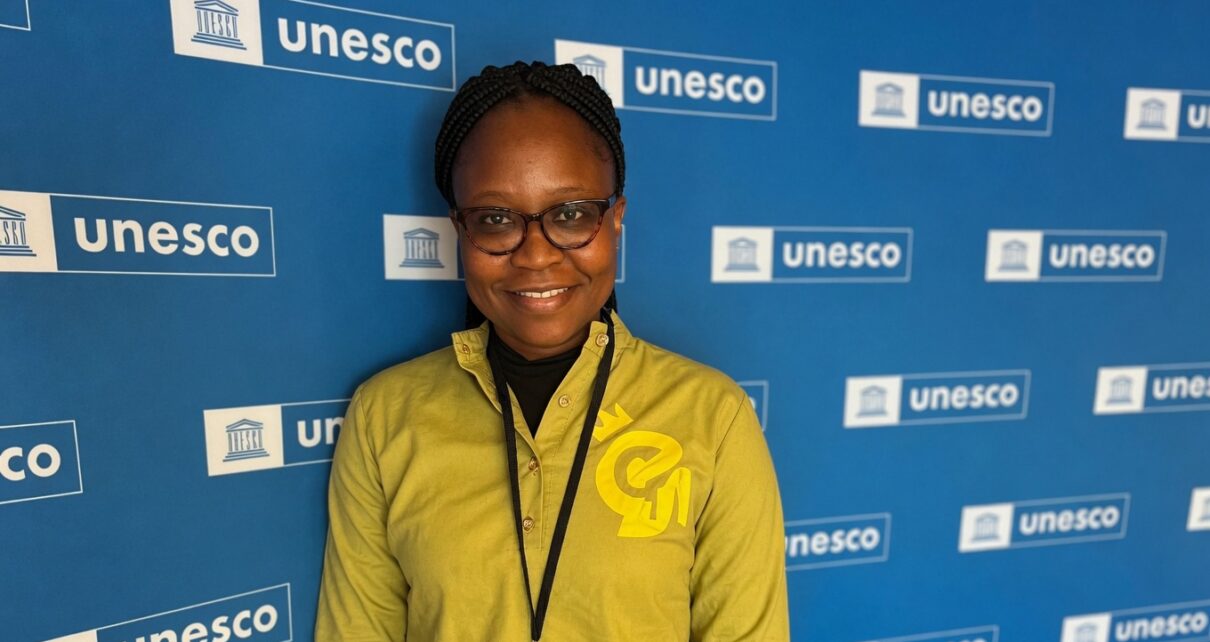
During a recent presentation at UNESCO in Paris, Agbahoungbata showcased this practical solution to local environmental hurdles. Her invention is not merely a sensor; it is an autonomous device capable of evaluating water quality and determining the most appropriate treatment method without human intervention.
An intelligent laboratory for liquid resources
Known as Watt Air, this device functions as a portable laboratory. The integrated AI identifies specific pollutants and decides the water’s final destination—whether it should be used for agriculture, household chores, or human consumption.
According to the founder, this automation conserves both energy and time. By calculating the exact amount of chemical reagents required, the AI ensures a level of precision that maximizes resource efficiency. In regions facing water scarcity and rising costs, this technological leap minimizes waste and optimizes every available drop.
Bridging the literacy gap with voice technology
The true genius of the SSaFE project lies in its inclusivity. Recognizing that many potential users in rural areas may face literacy challenges, the Watt Air robot features a multilingual voice assistant. The machine can interact with users in languages such as Fon, Bambara, Swahili, and Wolof.
This allows individuals, particularly women in remote villages where formal education may be limited, to manage water recycling effectively. The technology is designed to adapt to the human user, enabling them to recycle laundry water or treat drinking supplies through simple verbal interaction. Agbahoungbata expresses great pride in how this empowers those who have never attended school to utilize advanced tech at home.
Innovation fostered at Sèmè City
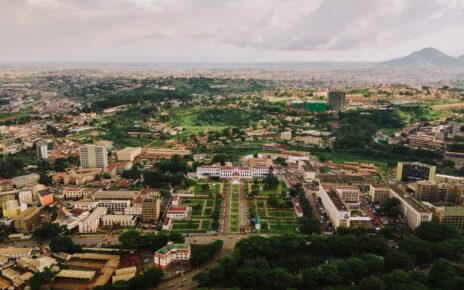
The project was nurtured within Sèmè City, the premier innovation hub in Cotonou. Thierry d’Almeida, the director of the center’s research institute, believes that the collaboration between chemists and mathematicians is essential for addressing local crises. With the support of a $30,000 grant from UNESCO, the development of Watt Air demonstrates that African-led solutions are often the most effective for the continent’s specific needs due to an intimate understanding of the terrain.
Targeting a 2027 rollout
While the robot currently exists as a prototype, the roadmap is clear. SSaFE aims for a full commercial launch by 2027. The startup is presently seeking investors and strategic partners to transition the technology from the lab to households across the region.
Ultimately, Marielle Agbahoungbata’s vision transcends technical achievement. Her work highlights a fundamental principle: technology is most valuable when it protects health, saves time, and remains accessible to everyone, regardless of their linguistic background or educational level.