The recent decision by Burkina Faso’s military leadership to split Operation Garkoi into two separate tactical headquarters—Operation Akarasse along the Algerian border and Operation Klafoki along the Chadian frontier—has ignited intense debate among governance and security analysts across the Sahel.
While official statements frame the move as a bid to enhance efficiency and coordination, critics argue it is little more than a costly bureaucratic maneuver masking deeper strategic failures. The creation of two parallel command structures demands additional high-ranking officers, detachment leaders, and an entire tier of support staff, further straining an already stretched military budget.
Military expansion in a time of national crisis
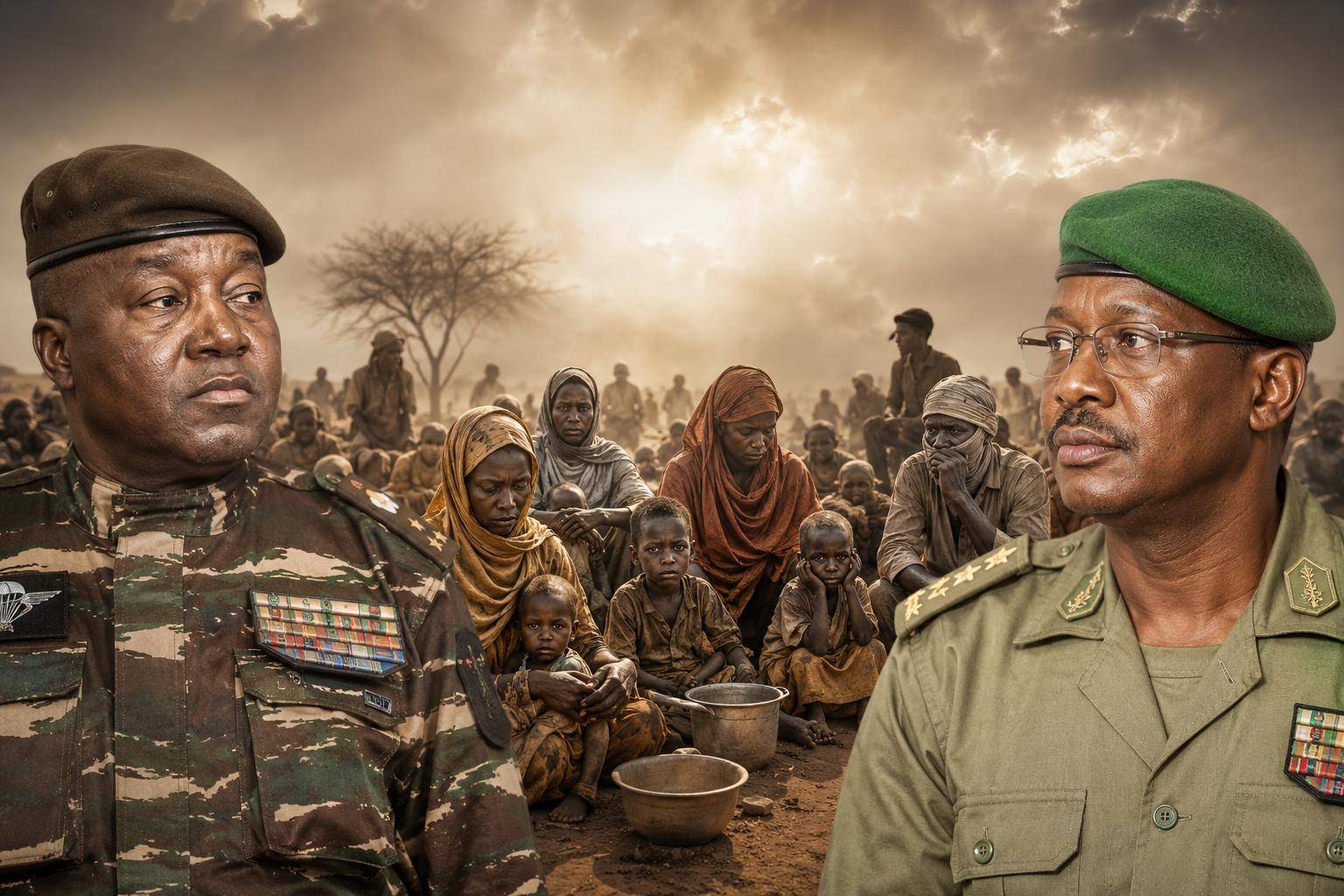
Analysts highlight the stark contrast between this expansion and the country’s worsening social turmoil. The financial burden of maintaining two full-fledged headquarters in Bilma and Arlit comes as essential public services collapse. Teachers on temporary contracts, for instance, have gone months without pay, forcing families into desperate poverty. The decision to prioritize lavish command centers over the salaries of frontline civil servants has drawn sharp condemnation as a reckless misuse of public funds.
A desperate response to a widening insurgency
Beyond the financial implications, the restructuring reveals a harsh truth: Burkina Faso’s armed forces are increasingly overwhelmed by escalating attacks from armed groups. If the security situation were stable, a single command structure would suffice. Instead, the need to establish two specialized, high-pressure fronts signals a crisis spiraling out of control. Militant factions—including affiliates of Al-Qaeda, the Islamic State, and Boko Haram—have intensified their presence, rendering centralized management unsustainable.
The army’s forced fragmentation to defend distant borders underscores a grim reality: the nation is caught in a tightening vice of insecurity. Far from representing a bold strategic advance, the new operations reflect a reactive, last-ditch effort to contain breaches at both ends of the country—one that risks draining resources without addressing the root causes of the conflict.
The launch of Operation Akarasse and Operation Klafoki thus stands as a costly admission of vulnerability. For taxpayers, it burdens an already struggling economy. For citizens, it deepens hardship amid collapsing public services. For the military, it exposes the widening gap between its capabilities and the threats it faces. What began as an attempt to assert control has instead laid bare the depth of Burkina Faso’s security and governance crisis.