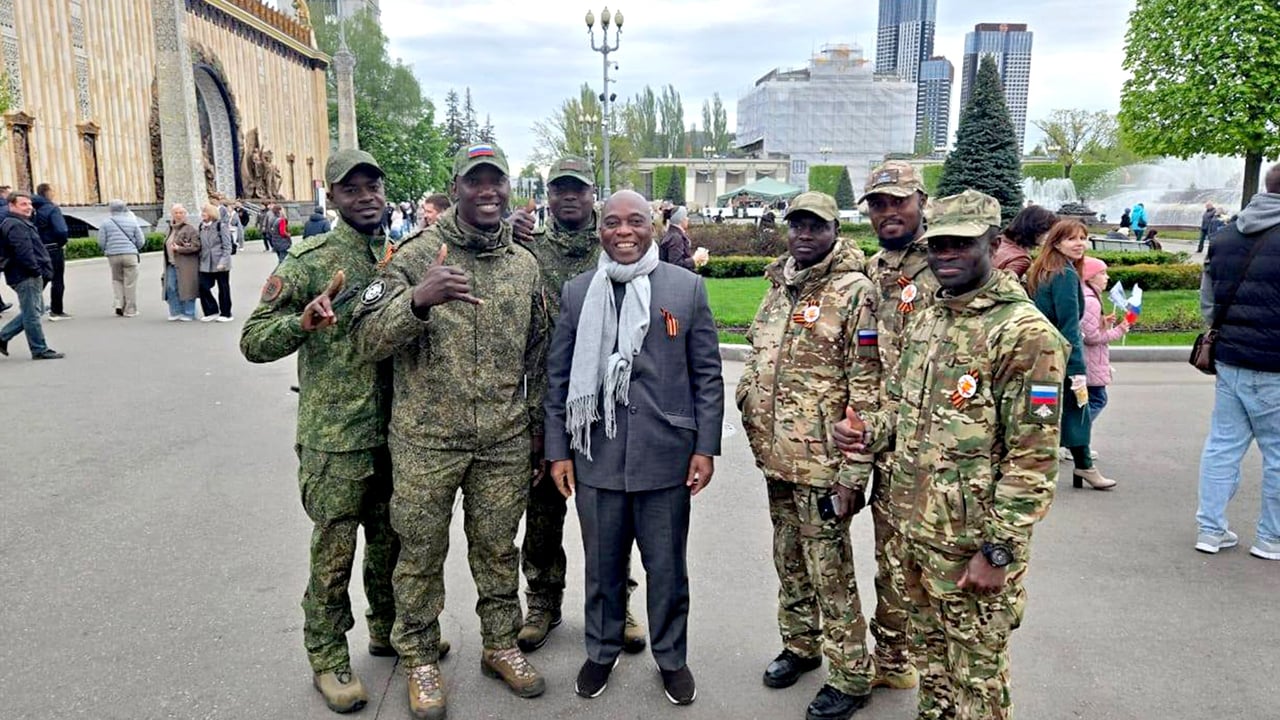

During a carefully orchestrated three-day visit to Moscow in mid-May, Côte d’Ivoire’s Minister of Foreign Affairs, Ahoua Don Mello, engaged in high-level discussions that steered clear of the country’s recent political turbulence. The trip, shrouded in discretion, aimed to strengthen bilateral ties while avoiding any direct mention of the ongoing tensions linked to the Patriotic Front of Côte d’Ivoire (PPA-CI).
Behind the scenes of a strategic diplomatic mission
The visit unfolded against a backdrop of heightened geopolitical maneuvering, with both nations seeking to deepen economic and security cooperation. While official statements remained cautiously worded, insiders reveal that trade agreements and defense partnerships topped the agenda. Moscow’s growing influence in West Africa has prompted Abidjan to navigate these relationships with precision, balancing new alliances with traditional partnerships.
Key discussions focus on economic and defense collaboration
Ahoua Don Mello’s meetings with Russian officials covered a broad spectrum of topics, from infrastructure investments to counterterrorism efforts. A senior diplomat privy to the negotiations noted that both sides explored avenues to enhance trade flows, particularly in sectors like energy and agriculture. The absence of any reference to Côte d’Ivoire’s internal political landscape was deliberate, signaling a strategic move to compartmentalize discussions.
Balancing alliances in a shifting global landscape
Côte d’Ivoire’s diplomatic maneuvers come at a time when traditional partners in Europe and beyond are recalibrating their engagement in the region. By engaging with Moscow, Abidjan is diversifying its international partnerships without overtly challenging its existing commitments. Analysts suggest this approach reflects a broader trend among West African nations seeking to maximize leverage in an increasingly multipolar world.
Reactions and implications for Côte d’Ivoire’s foreign policy
The Moscow visit has sparked discussions among political observers, with some praising the government’s proactive stance in expanding diplomatic horizons. Others, however, caution that such engagements require careful navigation to avoid straining relationships with long-standing allies. The visit’s timing, just months after the PPA-CI controversy, underscores the administration’s intent to prioritize economic and security interests over domestic political sensitivities.
As Côte d’Ivoire continues to assert its role on the global stage, Ahoua Don Mello’s trip to Moscow serves as a testament to the country’s strategic adaptability. Whether this marks the beginning of a long-term partnership or a fleeting diplomatic gesture remains to be seen, but the message is clear: Abidjan is open to exploring new avenues for growth and stability.