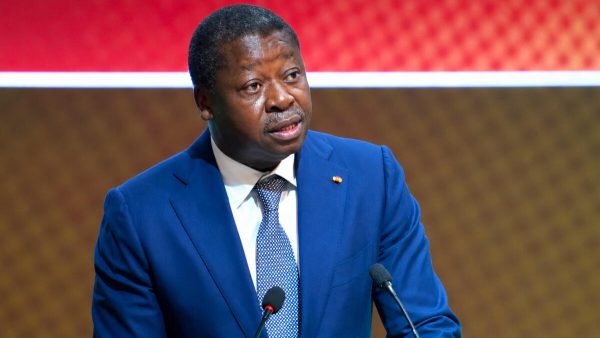
With unmistakable clarity, the message cut through the rhetoric. Opening the third edition of the pan-African forum Biashara Afrika in Lomé, Togolese Prime Minister Faure Essozimna Gnassingbé called on African leaders to shift from political ambition to measurable economic outcomes, urging the continent to translate visions into tangible growth and deeper integration.
Lomé has once again positioned itself as the heartbeat of pragmatic African commerce. On this occasion, the Togolese capital became the gathering point for continental decision-makers for the third Biashara Afrika forum. Jointly organized by the African Continental Free Trade Area (AfCFTA) Secretariat and the Togolese government, this high-level gathering focused on boosting intra-African trade and investment opened under a banner of decisive action.
From vision to results: Togo’s blueprint for AfCFTA success
Prime Minister Gnassingbé used his platform to deliver a manifesto-style address, setting a bold tone for his peers:
“The era of declarations must give way to an era of results.”
He underscored Africa’s historic moment, stressing the continent’s collective capacity to turn policy into economic reality, declaring that the age of hesitation had ended.
Lomé’s strategic edge in the AfCFTA revolution
Togo is not just talking about integration—it’s leading by example. The country’s leadership in AfCFTA implementation rests on three pillars:
- Enhanced regional connectivity to streamline trade corridors and reduce border delays.
- A world-class logistics hub anchored by its deep-water port, the only one of its kind in West Africa.
- A bold reform agenda consistently recognized across the continent for improving the business climate and attracting investment.
Through this model, Lomé aims to prove that economic integration can deliver immediate dividends when political resolve aligns with the needs of businesses and entrepreneurs.
The AfCFTA’s monumental scale—and pressing challenges
The AfCFTA represents an unparalleled economic project globally. It seeks to unite a market of unmatched scale:
AfCFTA by the numbers
- 55 member states covering the entire continent.
- A consumer base of 1.4 billion people.
- An estimated combined GDP of $3.4 trillion—making it one of the world’s largest free trade areas.
Yet even this vast potential faces real obstacles. The Biashara Afrika forum has made it a priority to dismantle the bottlenecks still holding back intra-African trade. Key priorities include:
- Eliminating non-tariff barriers that strangulate cross-border commerce.
- Closing chronic infrastructure gaps that inflate costs and delay shipments.
- Easing access to financing for small and medium enterprises (SMEs), which remain largely sidelined in regional value chains.
- Revitalizing fragmented supply chains to maximize local value addition.
A turning point for Africa’s economic future
“We’ve talked enough—now we must act,” declared a Kenyan entrepreneur during the forum, echoing the urgency voiced by Gnassingbé. A Nigerian economist added, “The AfCFTA will only succeed if SMEs are at its core.” These sentiments reflect a growing consensus among business leaders: the time for execution is now.
The forum is more than a technical discussion—it’s part of a broader geopolitical shift. Africa is positioning itself to play a larger role in global trade, using the AfCFTA as a strategic response to shifting international dynamics and rising trade tensions.
In Lomé, the call was unambiguous: Africa possesses the legal framework, natural resources, and human capital needed. The only missing piece is action. The AfCFTA’s future hinges not on further planning, but on immediate, coordinated implementation.