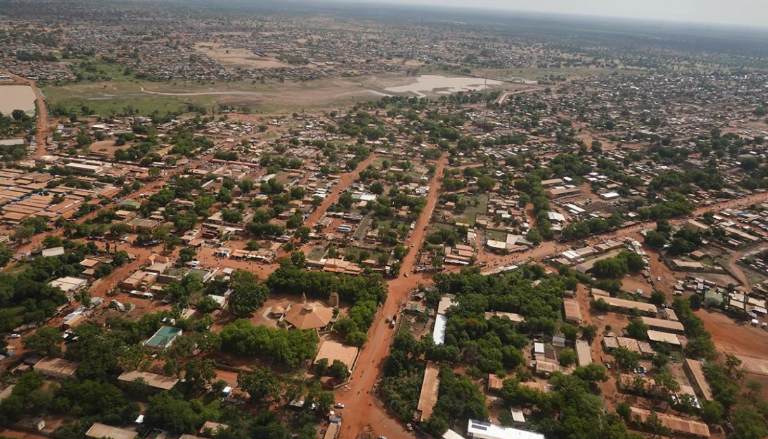
Eastern Burkina Faso reels after Balga police base is overrun
The remote town of Balga, just 25 kilometres from Fada-N’Gourma in Burkina Faso, became the latest flashpoint in the country’s escalating conflict when a predawn assault by suspected JNIM militants left the local police detachment in ruins. The overnight attack did more than destroy buildings—it exposed how quickly routine security posts can crumble under sustained pressure from armed groups, leaving both civilians and authorities scrambling to respond.
Human toll still climbing as police posts vanish from the map
Early reports indicate the assault left a significant number of security personnel either dead or unaccounted for, with no official casualty figures released yet. Survivors described a sustained firefight followed by the systematic torching of the entire compound, stripping the base of weapons, vehicles, and radio equipment. For a region already edging toward total blackout, the loss of a single dispatch point isn’t just a tactical setback—it can mean the difference between life and death for nearby communities.
Every unprotected station weakens the shield for civilians
Balga’s police presence was slender by design—small detachments like this one are meant to deter low-level threats and keep trade routes open. When such a post is wiped off the map, the ripple effects are immediate. Farmers delay trips to markets. Health workers postpone outreach. Children miss school. The attackers may have aimed for symbols of state authority, but families on the ground pay the highest price in mobility, livelihoods, and trust in government.
Money and momentum slip away as insurgents seize the initiative
The raid underscored a painful truth: insurgent groups need not capture a city to reshape its economy. In Balga, the militants did not take over the town; they simply removed the last visible barrier between rural markets and their own supply lines. With cash crops stranded and supply trucks rerouted, the loss of just one police outpost can freeze thousands of dollars in weekly transactions, pushing more households into poverty.
Rural trade routes in crosshairs of armed bands
Local traders report that armed bands now time ambushes to coincide with weekly market days, seizing goods and cash before security forces can mount a response. The destruction of the Balga station removes the nearest rapid-response option for miles, making rerouting shipments unavoidable—and insurance premiums skyrocket.
Security vacuum fuels deeper humanitarian crisis
Each destroyed post triggers a domino effect: the United Nations reports a 19 percent spike in displacement across eastern districts since the start of the year. Schools close, clinics operate at half capacity, and humanitarian convoys face frequent denials of safe passage. Aid workers describe a creeping paralysis in which the absence of police back-up forces NGOs to reduce deliveries of food, medicine, and fuel.
How many officers remain trapped?
Among the missing are several community liaison officers who knew local dialects and tribal networks. Their disappearance leaves a knowledge gap that military reinforcements—even if they arrive quickly—cannot immediately fill. Families of the missing maintain vigil at district headquarters, waiting for news that has yet to arrive.
Can Burkina Faso’s fractured response hold the line?
The Balga assault is the latest in a string of raids that have reduced once-active security corridors to isolated redoubts. Military planners now face an unpalatable choice: reinforce every threatened post (an impossibly expensive proposition) or concentrate forces elsewhere and cede swathes of territory to armed groups. Neither option offers long-term stability.
Short-term fixes fall short against determined foes
Options floated so far—temporary checkpoints, night-patrol rotations, and community policing—help but do not stop the bleeding. The militants have shown patience, striking only when they calculate the odds in their favour. Until Burkina Faso can field rapid-reaction units that arrive before the attackers depart, each new base destruction will feel inevitable.
What comes next for Balga’s shattered community?
For now, the town’s marketplace remains shuttered, and bus services have been cancelled until further notice. Civil society leaders call for contingency plans: cash transfers for displaced families, protected grain silos, and mobile health clinics that move under military escort. Without such measures, the attack’s real impact—the slow erosion of daily life—will far outlast the smoke and ashes of that single night.