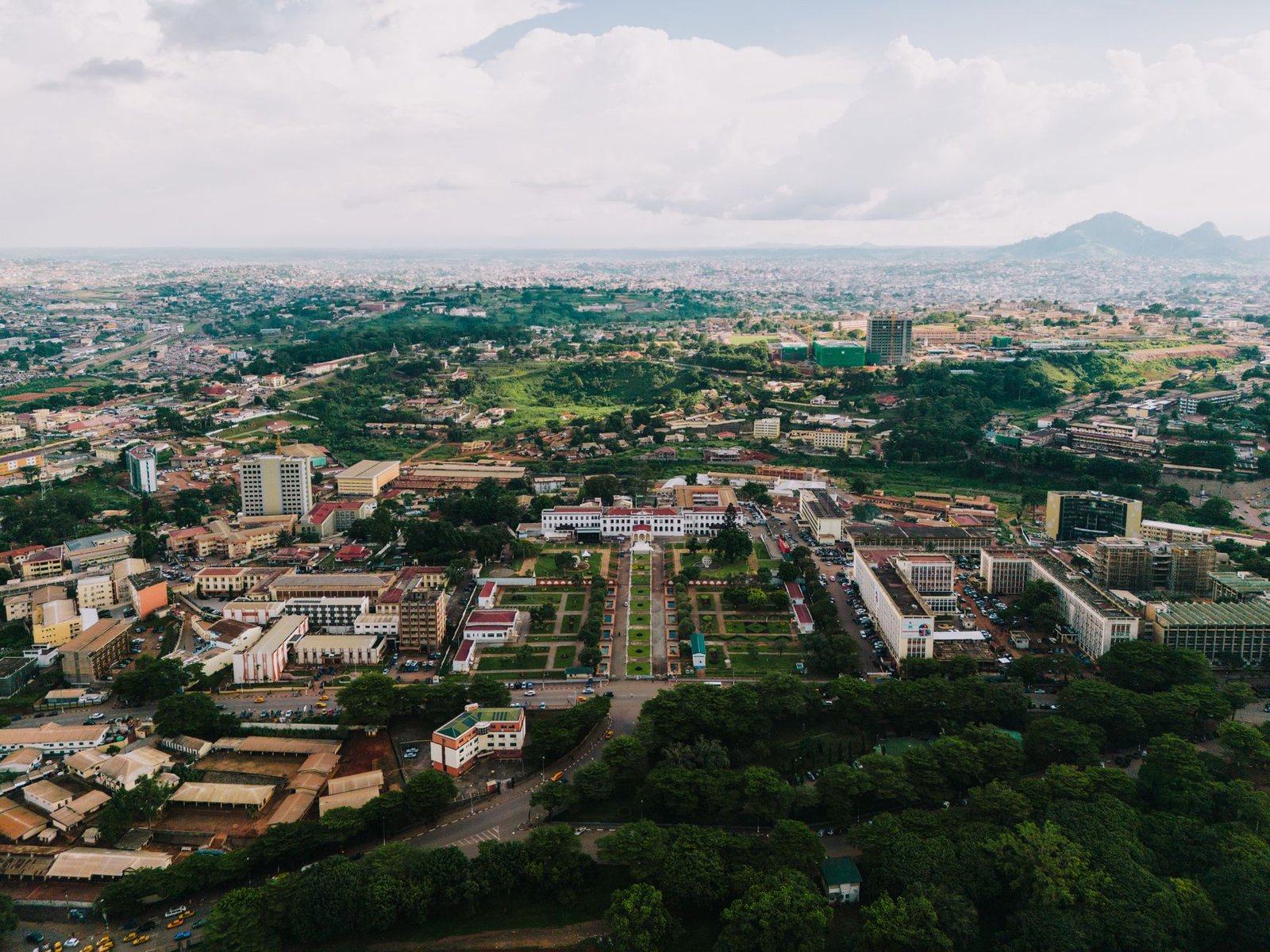
Cameroon’s Parliament convenes on June 9 for its second ordinary session of the year, a pivotal moment traditionally dedicated to the budget orientation debate. Lawmakers from both chambers will scrutinize the broad strokes of the 2027 budget proposal amid tightening financial conditions and lingering political uncertainty. The exercise takes center stage as the executive struggles to meet the targets set in the 2026 finance law, which was initially allocated 8.8 trillion CFA francs.
Budget orientation debate amid cash flow constraints
The budget orientation debate in Cameroon serves as a critical checkpoint where the government presents its macroeconomic priorities for the coming fiscal year. This year, however, the stakes are higher than ever. Fiscal mobilization has fallen short of projections, while debt servicing continues to strain the national budget, leaving little room for maneuver.
The 2026 budget, set at 8.8 trillion CFA francs (approximately €13.4 billion), now appears increasingly difficult to sustain. As in previous years, authorities are expected to introduce a supplementary budget bill to realign spending with reality. This rectifying finance law will likely include downward adjustments to certain expenditure lines and formalize the gap between projected and actual revenue collected in the first half of the year.
Political limbo compounds economic pressures
Beyond economic hurdles, political uncertainty looms large. For six months, rumors of a cabinet reshuffle have circulated in Yaoundé without materializing, fostering a climate of hesitation. This prolonged uncertainty has slowed decision-making in spending ministries and paralyzed parts of the administration. Business leaders, too, are delaying investments while awaiting clarity on new leadership within the executive branch.
This inertia is already reflected in budget execution delays. Several infrastructure projects, funded through external resources, have seen disbursement lags due to sluggish national counterpart funding. For international partners, this raises concerns about Cameroon’s ability to sustain reforms tied to its International Monetary Fund program.
A regional financial balancing act
As the largest economy in the Central African Economic and Monetary Community (CEMAC), Cameroon plays a key role in maintaining macroeconomic stability across the subregion. Any fiscal missteps in Yaoundé directly impact the region’s shared foreign exchange reserves, managed by the Bank of Central African States (BEAC). With the country accounting for nearly 40% of the zone’s GDP, its budgetary choices carry weight far beyond its borders.
Lawmakers must also navigate an unpredictable external environment. Oil prices, which remain a major revenue driver for Cameroon, remain highly volatile. Meanwhile, domestic hydrocarbon production continues a steady decline, underscoring the urgency of diversifying the tax base. The budget orientation debate may reignite discussions on modernizing tax administration and broadening the tax net—long-standing initiatives that have yet to yield concrete results.
Yet, parliamentary expectations may clash with electoral realities. Some lawmakers question the feasibility of crafting a robust three-year framework when the government’s composition itself remains uncertain. Within the halls of the National Assembly, this session is already seen as a transitional exercise, focused more on short-term adjustments than on setting a long-term structural path. The executive approaches this parliamentary engagement without the full capacity to deliver on the ambitious targets announced at the start of the fiscal year.