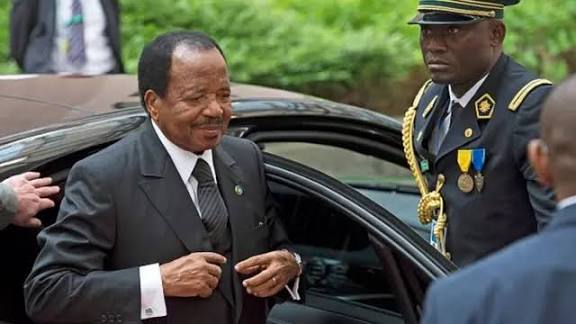
Departing from Yaoundé on June 7, 2026, for what was initially described as a brief private visit to Europe, President Paul Biya of Cameroon has now spent 64 consecutive days abroad. This unprecedented stretch of time away from the country has shifted from a mere observation to a pressing national discussion.
The extended absence, the longest recorded since his presidency began, has prompted citizens and analysts alike to question the implications for governance, transparency, and the country’s leadership continuity. With each passing day, the public expresses growing curiosity—and concern—about the president’s prolonged stay overseas.
While official statements continue to frame the trip as a private affair, the duration has far exceeded expectations, leaving many to wonder about the real purpose and potential consequences of such an absence. The situation underscores broader debates about accountability and the expectations placed on national leaders during extended periods of absence.