
Why Senegal’s special funds remain shrouded in mystery
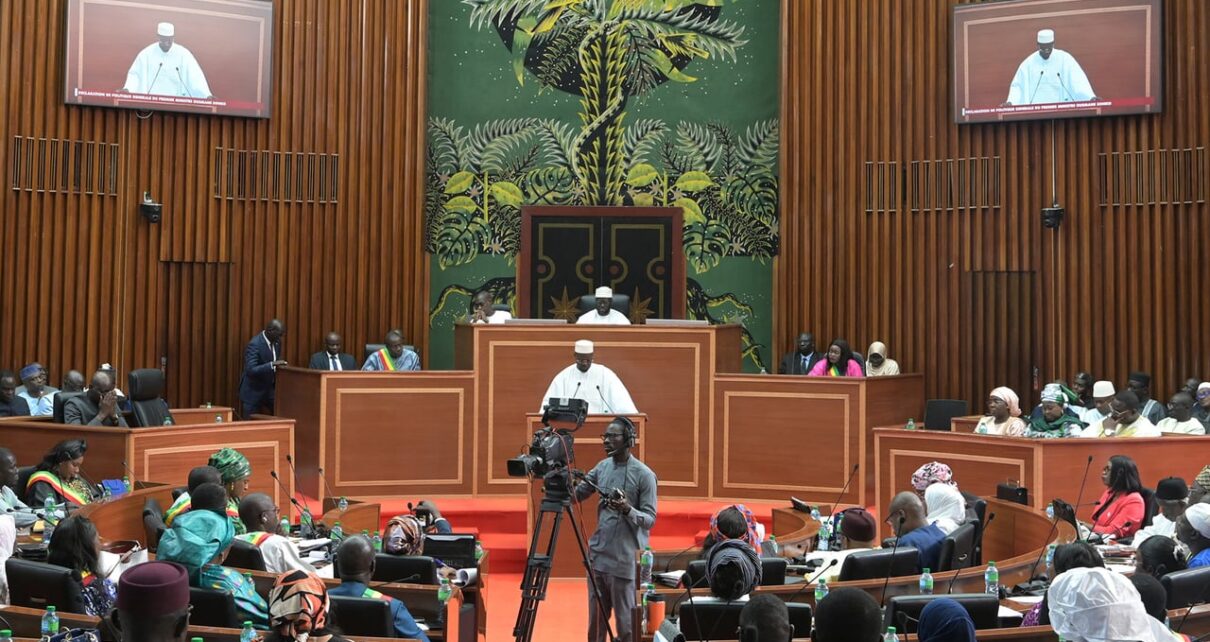
Senegal’s political landscape has been stirred by a contentious proposal: the repeal of a contentious amnesty law passed during the final days of former President Macky Sall’s administration. This move, announced by Prime Minister Ousmane Sonko in a historic address to legislators in late December 2024, has reignited debates over transparency and accountability in the management of Senegal’s special funds.
These financial reserves, often deployed for sensitive national priorities, have long operated under a veil of confidentiality. Critics argue this opacity fuels corruption and undermines public trust, while proponents contend secrecy is essential to protect strategic interests and prevent misuse of power.
The role of special funds in Senegal’s governance
Special funds in Senegal are not new; they have been part of the country’s financial toolkit for decades. Historically, these pools of resources have been used to address emergencies, fund confidential defense initiatives, or bypass bureaucratic delays in critical projects. However, their lack of transparency has frequently drawn scrutiny, particularly when funds are deployed without clear justification or public oversight.
In 2024, the government allocated billions from these reserves to address pressing challenges, including post-election stability and economic recovery. Yet, details about how these funds were distributed and spent remain scarce, raising questions about accountability.
Controversy over the amnesty law
The heart of the current debate lies in a law granting amnesty for political violence that occurred during the 2023-2024 electoral period. Critics view the law as a tool to shield perpetrators from justice, while supporters argue it was necessary to prevent further unrest. Prime Minister Sonko’s pledge to repeal it represents a significant shift in the government’s stance on transitional justice and political reconciliation.
Balancing secrecy and accountability
The challenge for Senegal’s leadership is to strike a delicate balance. On one hand, special funds must remain shielded from external interference to ensure their effective deployment. On the other, citizens demand greater clarity on how public resources are managed, especially when billions are at stake.
Government officials have defended the need for confidentiality, citing national security and the prevention of financial mismanagement. However, opposition figures and civil society groups insist that secrecy breeds corruption and erodes democratic principles.
What’s next for Senegal’s special funds?
The government’s decision to review the amnesty law could signal broader changes in how special funds are governed. Potential reforms may include:
- Enhanced oversight: Establishing an independent body to audit the use of special funds and ensure compliance with legal and ethical standards.
- Legislative transparency: Introducing mandatory reporting requirements to provide lawmakers and the public with clearer insights into fund allocations.
- Public engagement: Creating channels for citizen feedback to address concerns about the misuse of these financial instruments.
As Senegal navigates this pivotal moment, the outcome of these discussions will shape the nation’s financial governance for years to come. The debate over special funds is not just about money—it’s about trust, accountability, and the future of democracy in Senegal.