Cameroon’s escalating security crisis: what Atonfack Guemo’s warning means for businesses and citizens
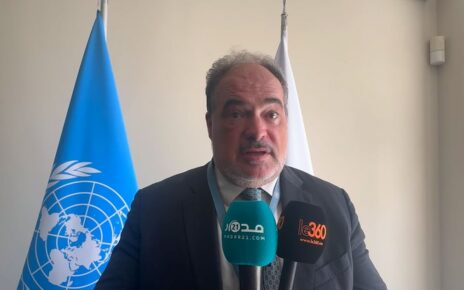
The director of communications at Cameroon’s Ministry of Defense has issued a stark warning about the growing security threats facing the nation. In his latest editorial on global peace and security, Atonfack Guemo urges citizens to adopt a permanent state of vigilance to protect both the economy and social fabric. What are the real consequences of escalating violence on ordinary Cameroonians and the business community?
The global security landscape and Cameroon’s vulnerable position
Violence has become a global phenomenon, with armed conflicts and asymmetric threats spreading across continents. Traditional wars are no longer the only concern—low-intensity but highly lethal shootings now claim over 200,000 lives annually worldwide.
In Cameroon, this global instability manifests in multiple ways. The country faces a multi-front security challenge: constrained eastern borders, extremist threats in the north, and internal tensions in western regions. Each of these fronts drains national resources while threatening stability.
Economic free zones, wildlife corridors, mineral deposits, and supply chains are increasingly targeted. Espionage, resource theft, and infrastructure sabotage add layers of vulnerability. No region or sector appears immune to these evolving threats.
Economic and social fallout: the human cost of insecurity
The consequences are already visible. Tourism, foreign investment, and local entrepreneurship suffer as safety concerns deter visitors and business missions. Farmers in conflict zones face disrupted harvests and livestock losses, threatening food security. Schools and cultural institutions report rising incidents of vandalism and ideological infiltration.
For small business owners, increased security costs—private guards, fortified premises, and emergency protocols—shrink profit margins. International partners hesitate before committing capital, slowing infrastructure and development projects. These pressures ripple through households, increasing unemployment and social inequality.
Urban vs. rural disparities in vulnerability
While urban centers like Douala and Yaoundé benefit from heightened security presence, rural communities remain disproportionately exposed. Border areas in the Far North and Northwest face repeated incursions by armed groups. Local markets shrink, healthcare access declines, and youth migration rises as conditions deteriorate.
From warning to action: what vigilance looks like
Atonfack Guemo’s call is not merely rhetorical. It signals a shift from reactive measures to proactive, community-wide vigilance. This includes sharing suspicious activity reports, reinforcing neighborhood watch networks, and reporting disinformation that fuels division.
Government initiatives—such as integrated border patrols, community policing, and counter-radicalization programs—must align with citizen vigilance. Trust between authorities and local populations is essential; without it, intelligence gathering and response coordination falter.
Civil society plays a pivotal role. Religious leaders, teachers, and media professionals must counter misinformation and promote national cohesion. Youth engagement through vocational training and civic education can prevent recruitment into extremist networks.
A nation at a turning point
Cameroon stands at a crossroads. The choice is stark: deepen vigilance now, or face escalating costs tomorrow. The collective effort required is immense—but the alternative—continued erosion of security, stability, and prosperity—is unthinkable.
In Atonfack Guemo’s words, the path forward demands a permanent act of love for Cameroon: one rooted not in rhetoric, but in vigilance, unity, and decisive action. The time to begin is now.