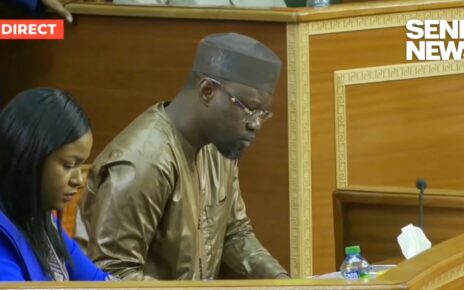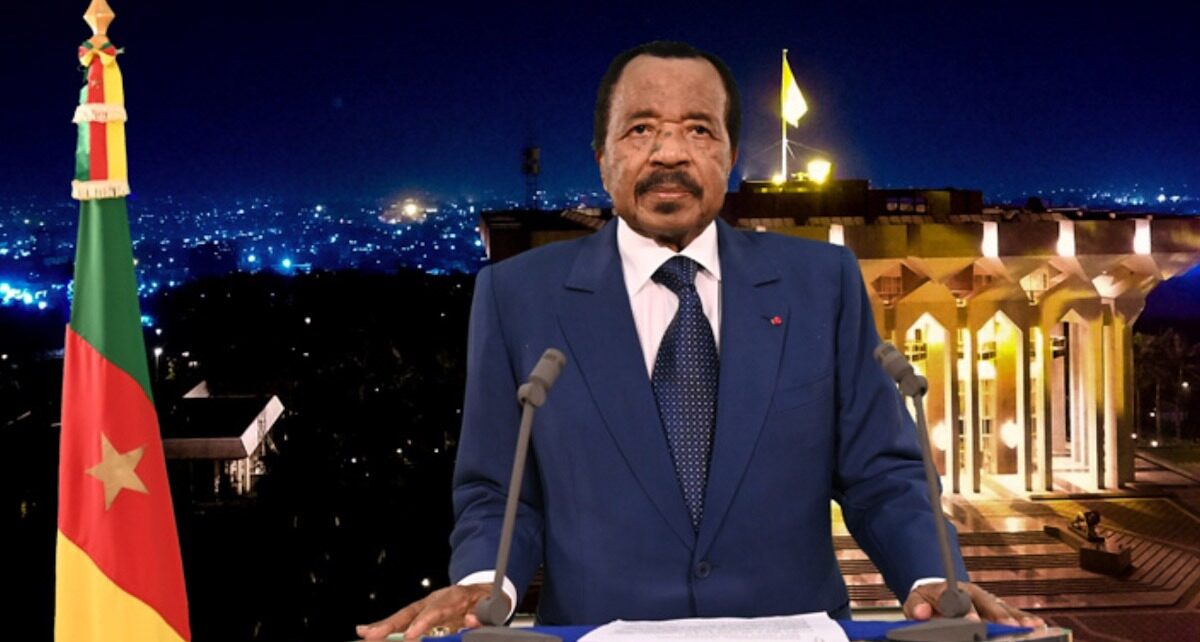
As Cameroon navigates an unprecedented leadership gap, the nation’s pulse weakens. Since June 7, 2026, when President Paul Biya departed for what was described as a temporary private visit to Europe, a disconcerting silence has gripped the corridors of power. Two months later, no public appearances, no official return date—just an unrelenting void at the helm. In a country where executive decisions shape every aspect of public life, this absence is more than a political footnote; it’s a crisis unfolding in real time, with tangible consequences for both the economy and the daily lives of citizens.
Economic paralysis: markets stumble under the weight of uncertainty
The Cameroonian economy hinges on centralized decision-making, where the president’s signature can unlock—or lock—progress. The prolonged absence has triggered a domino effect of stalled initiatives and wavering investor confidence:
- Financial markets react with caution: Recent assessments reveal Cameroonian dollar-denominated bonds performing among the weakest in Africa. Rating agencies highlight concerns over succession uncertainty and the perceived political instability, driving away international investors.
- Infrastructure and development grind to a halt: Major public-private partnerships and large-scale infrastructure projects demand high-level arbitration. Without decisive executive intervention, bureaucratic bottlenecks paralyze funding releases and budget execution, leaving critical initiatives in limbo.
- Administrative inertia takes root: Despite a constitutional amendment in April 2026 establishing a vice-presidential role to mitigate leadership vacuums, the position remains unfilled. A long-awaited ministerial reshuffle has stalled, deepening the administrative paralysis.
Social unrest: the human cost of a stalled government
The ripple effects extend far beyond policy documents and financial reports. For ordinary Cameroonians, the consequences are immediate and deeply personal:
- Soaring living costs erode household budgets: Local markets grapple with relentless inflation on staples and fuel. Without responsive fiscal adjustments or price controls, the burden on families grows heavier by the day.
- Distrust festers in the absence of transparency: Official silence fuels speculation on social media, breeding frustration and resentment. The lack of clear communication from leadership fuels a growing sense of abandonment among the population, particularly the youth.
- Chronic crises remain unaddressed: Issues like the ongoing conflict in the North-West and South-West regions, youth unemployment, and crumbling infrastructure lack the political momentum needed for sustainable solutions.
A system in crisis: when one leader’s absence exposes systemic flaws
Cameroon’s current predicament lays bare the vulnerabilities of a governance model overly reliant on a single figurehead. The prolonged absence of Paul Biya underscores how a centralized power structure, while efficient in times of stability, becomes a liability when leadership falters. The resulting paralysis threatens not just economic growth but the very fabric of social cohesion.
For Cameroon to restore confidence among its partners and stabilize its socio-economic landscape, urgent steps are needed: filling leadership gaps, reinstating clear lines of authority, and re-energizing the machinery of government. The clock is ticking.