In Cameroon, what began as a seemingly trivial incident involving a pair of government-issued glasses spiraled into a judicial storm that reshaped the lives of four journalists and sent shockwaves through the local media landscape. The repercussions of this case extend far beyond the courtroom, raising pressing questions about the health of press freedom and the real-world consequences of legal decisions on the profession.
From a pair of glasses to a courtroom crisis
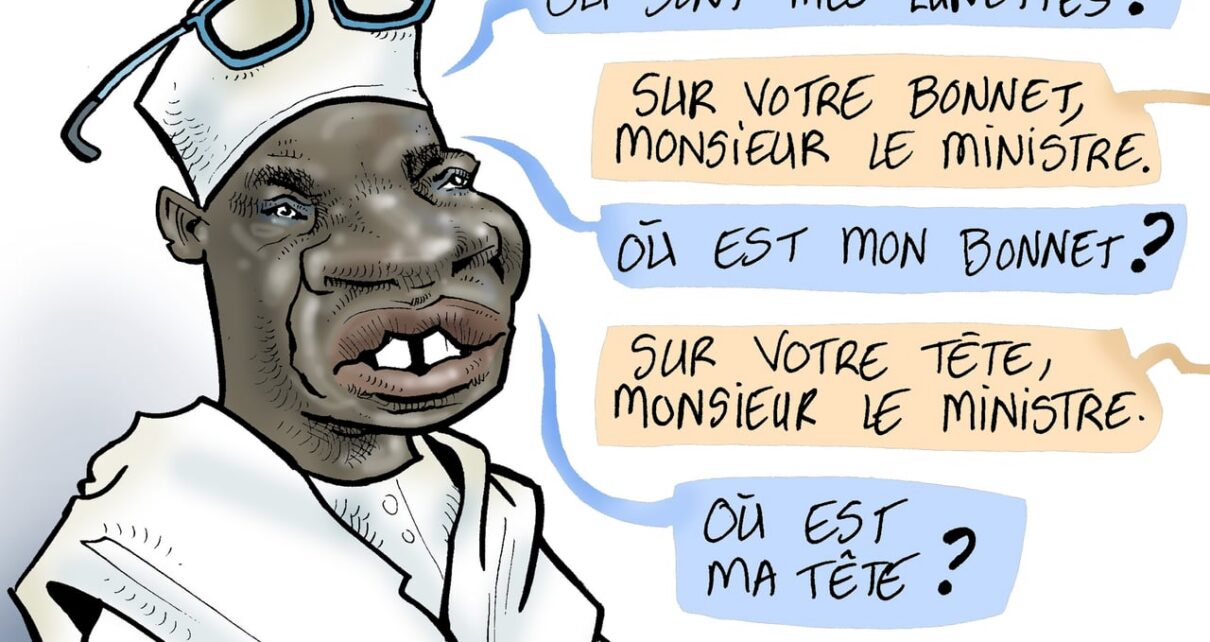
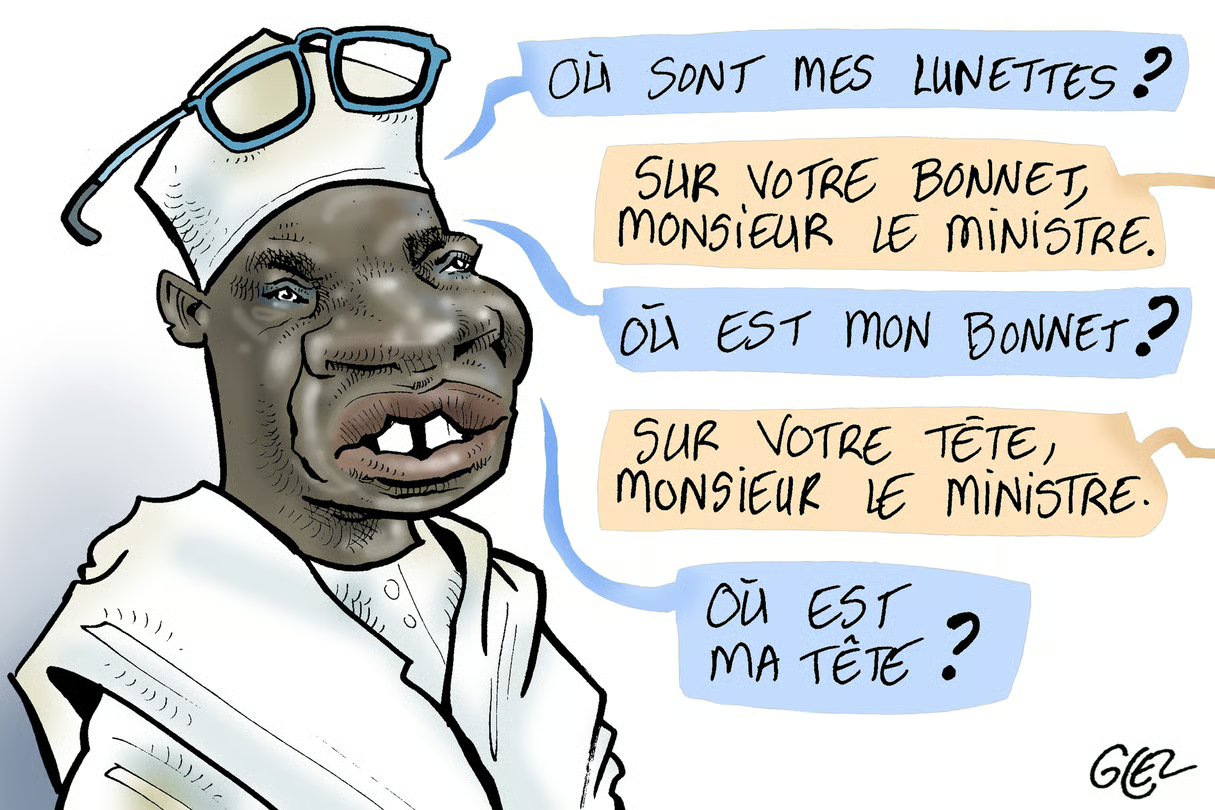
The case originated when a routine ministerial procurement detail—specifically, the acquisition of official eyewear—caught the attention of journalists. What began as curiosity about public spending evolved into a legal battle after critical coverage led to defamation charges against the reporters involved.
Why the optics mattered
The government-issued glasses, though minor in themselves, became symbolic of broader issues: accountability in public contracts and the risks journalists face when scrutinizing those in power. The incident forced media professionals to confront the fragility of their rights in a climate where legal threats can carry heavy personal and professional costs.
The human cost behind the verdict
The court’s decision to penalize the four journalists with severe sentences sent more than a ripple through Cameroon’s press corps. Beyond the immediate legal penalties, the case has had a chilling effect on editorial decision-making and self-censorship in newsrooms.
Career setbacks: The journalists, once active voices in the media, now face obstacles to finding future employment. Publications hesitate to hire reporters who have been publicly sanctioned, fearing legal backlash or reputational damage.
Financial strain: Heavy fines and court fees have added pressure on households already struggling with economic uncertainty. Some journalists have turned to alternative income sources just to stay afloat.
How the case echoes through Cameroon’s media
This wasn’t just about optics—it was about power. The verdict sent a clear message to the Cameroonian press: criticizing officials, even over seemingly trivial matters, can come with severe consequences. The fallout has been felt across multiple dimensions:
- Editorial caution: Reporters have scaled back investigative pieces touching on government procurement or official conduct.
- Investor wariness: Media organizations are finding it harder to secure funding, with potential sponsors deterred by the legal climate.
- Public distrust: Readers are increasingly skeptical of coverage that appears too timid, wondering what stories are going unreported due to fear of retaliation.
Press freedom in the balance
The case has become a focal point in discussions about press freedom in Cameroon. Legal experts warn that such rulings could set a dangerous precedent, normalizing the weaponization of the judiciary against critical reporting.
Advocates argue that the case underscores the need for stronger protections for journalists, including legal reforms that shield reporters from frivolous lawsuits and ensure that the press can hold power to account without fear of reprisal.
Looking ahead: Can Cameroon’s press recover?
The road to recovery will be long. Media houses must navigate financial instability while rebuilding public trust. Journalists, too, are reassessing their roles—some are shifting to less contentious beats, others are leaving the profession altogether.
The outcome of this case may well determine whether Cameroon’s media can reclaim its vital role as a watchdog or slip further into self-censorship and decline. One thing is clear: the impact of a single pair of glasses has left an indelible mark on Cameroon’s press freedom landscape.