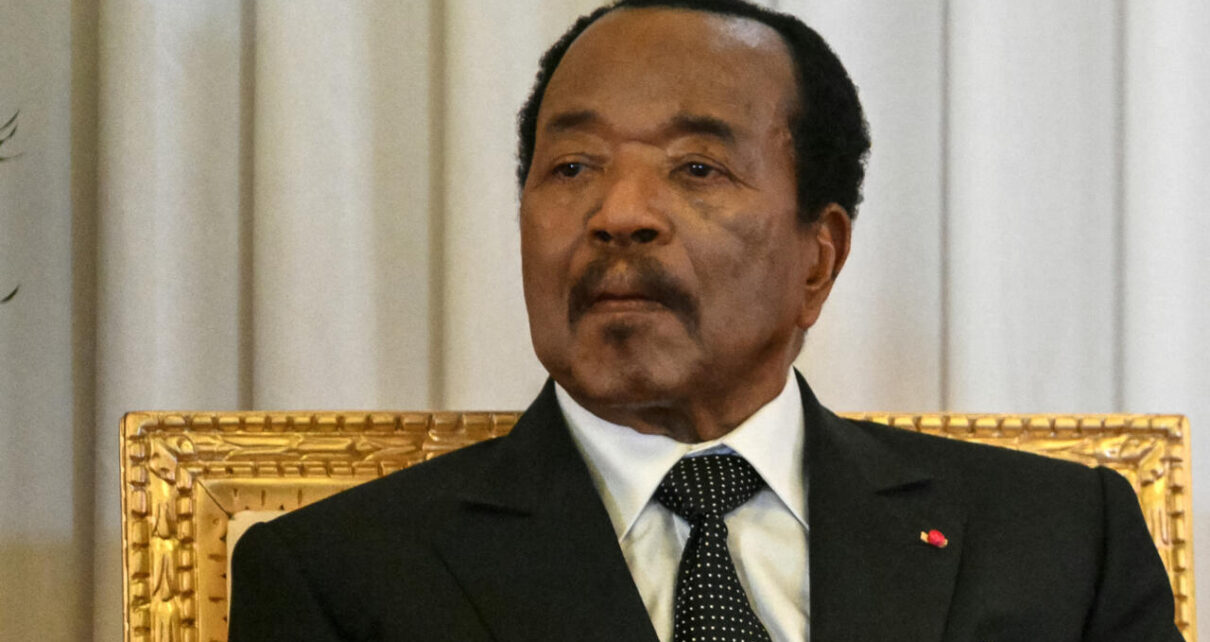
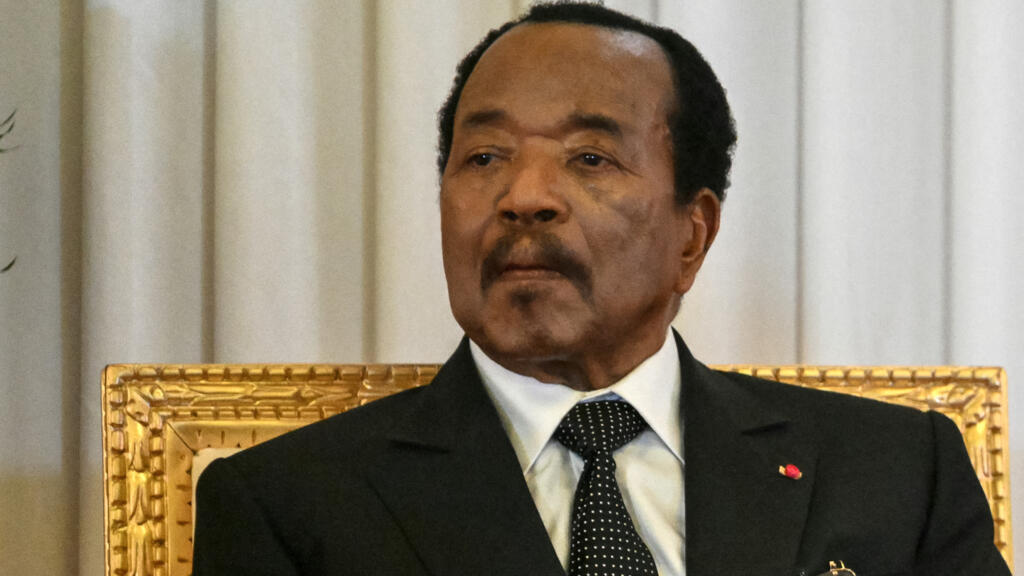
The whereabouts of Cameroon’s president Paul Biya have become a subject of intense speculation and concern. At 93 years old and with 44 years in power, the leader has now been absent from public view for 58 days — the longest such absence of his tenure. He left the country on June 7 for what was officially described as a brief private stay in Europe, yet no public appearances have been made since.
The silence from the presidency has only deepened the mystery. In a rare statement, Communications Minister René Sadi addressed the nation: “The president is alive… There is no power vacuum,” he declared. However, the reassurance came without a clear timeline for Biya’s return, leaving many to question the situation’s implications.
Public reaction and unanswered questions
Cameroonians and observers are increasingly asking: What does this prolonged absence mean for the country? With no official updates on Biya’s health or location, concerns over governance and stability have begun to surface. The lack of transparency has fueled discussions about presidential succession and the potential consequences of an extended leadership void.
While the government insists there is no cause for alarm, the prolonged silence raises more questions than it answers. Citizens and analysts alike are left wondering about the implications of such an unprecedented absence in a nation where the presidency holds immense authority.
Government reassurances fall short
Minister René Sadi’s statement, while confirming Biya’s well-being, did little to ease growing unease. The absence of a confirmed return date has left many Cameroonians feeling unsettled. Questions linger about the transparency of the government’s communication and the readiness of institutions to handle a potential leadership transition.
The situation has also sparked broader debates about governance and accountability in Cameroon. With no clear succession plan in place, the prolonged absence of a president who has led the country for nearly half a century has raised concerns about the country’s political stability and future direction.
What’s next for Cameroon?
As the days pass without a resolution, the pressure mounts for the government to provide credible explanations. The lack of clarity has already begun to affect public confidence, and the longer the uncertainty persists, the greater the risk of instability.
For now, Cameroonians and the international community wait for answers. Will Biya return soon, as promised? Or will this prolonged absence lead to deeper questions about the country’s leadership and future?