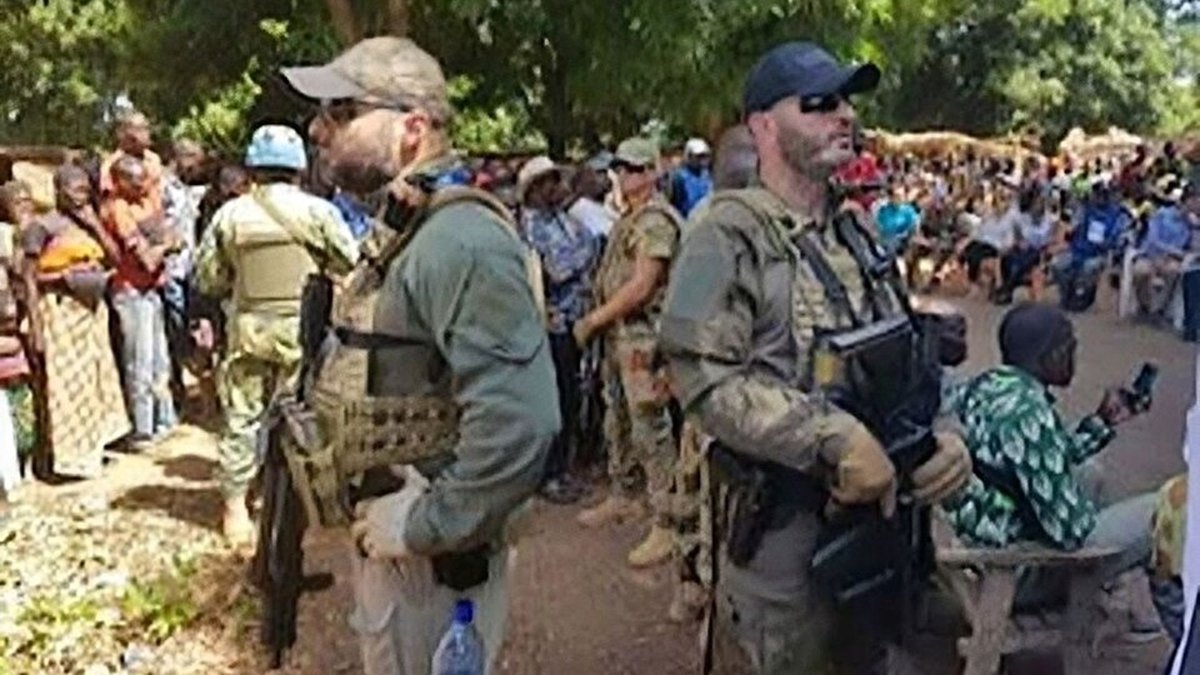
Centrafrican whistleblower denied asylum in France after exposing Wagner Group
A whistleblower’s fight for protection takes a dramatic turn after exposing deep ties between the Wagner Group and Centrafrican authorities.
From informant to fugitive
Ephrem Yalike-Ngonzo, a Centrafrican journalist, once collaborated with the Wagner Group’s information warfare campaigns in his home country. Between 2019 and 2023, he received payments for publishing articles supporting the Centrafrican military’s alliance with Russian-backed forces. Yet, by 2024, his conscience led him to expose the inner workings of this propaganda machine.
His revelations became part of a Forbidden Stories investigation, uncovering how Moscow’s influence operations in Africa operate. The disclosures triggered European sanctions against key figures, including Mikhail Prudnikov, a central architect of Russian disinformation networks in the region.
A plea for refuge meets rejection
Despite Emmanuel Macron’s personal intervention, granting Ephrem Yalike-Ngonzo a special travel document in 2024, France has now rejected his asylum request. The decision sends a chilling message to others battling Kremlin-backed propaganda, his legal team warns. The refusal arrives just days after the journalist filed an urgent appeal with the National Asylum Court, with a ruling expected no sooner than mid-2027.
Living in limbo
For now, Ephrem Yalike-Ngonzo remains in France, hiding with his family while awaiting the court’s decision. Back in Bangui, his relatives face relentless pressure from Wagner-linked operatives, forced to disclose his whereabouts under duress.
The journalist’s case highlights the perilous risks faced by those who dare to challenge Moscow’s expanding footprint in Africa. With sanctions already imposed on Wagner-linked entities, this refusal of asylum underscores France’s tightening stance on foreign informants—even those exposing Russian influence operations.