Chad has forcefully rejected allegations that it carried out an airstrike inside Niger, warning that unproven accusations risk destabilising one of Africa’s most fragile regions. In a sharp rebuttal, officials in N’Djamena not only denied involvement but demanded that Niamey present verifiable evidence to back its explosive claims—an unprecedented escalation that could reshape relations between the two Sahel neighbours.
What did the Chadian government say about the accusations?
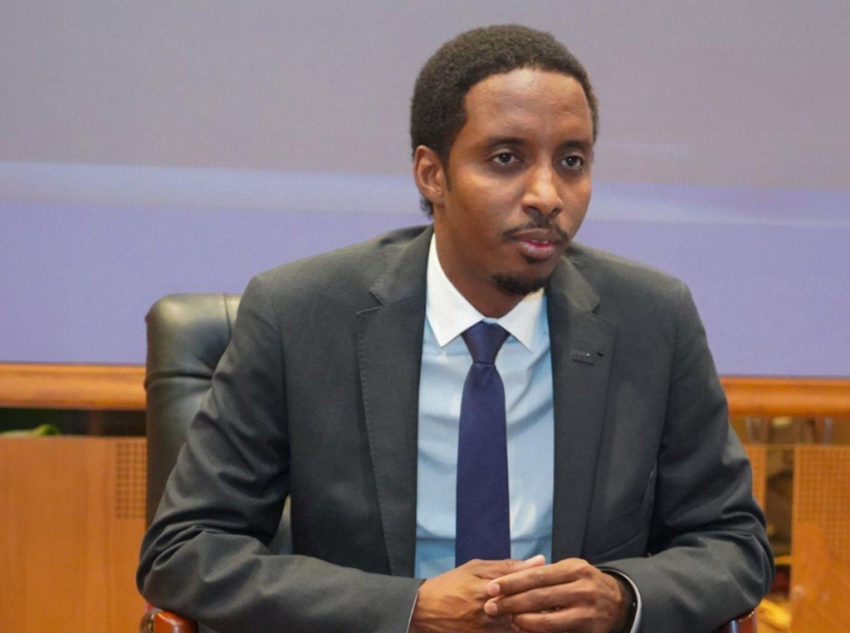
The Chadian government has dismissed claims that its forces carried out, supported, or enabled any military operation on Nigerien soil. In a statement delivered by government spokesperson Gassim Chérif Mahamat, N’Djamena made it clear: “These allegations are groundless and lack any factual foundation.” The minister warned that finger-pointing without concrete proof only fuels instability at a time when Sahel security is already under severe strain.
Why transparency is non-negotiable for N’Djamena
Chad’s leadership insists that accusations of state-sponsored military action cannot rely on speculation or unverified reports. Gassim Chérif Mahamat emphasised that any credible claim must be backed by material, technical, and verifiable evidence—something he claims has yet to be shared. The demand for transparency is not just procedural; it reflects a broader strategy to prevent accusations from poisoning diplomatic ties.
The call for substantiated proof follows repeated Chadian warnings to Niger about armed rebel groups operating from its territory. While these concerns have been raised for years, officials now frame them as part of a larger security context that Niamey has failed to address.
Types of proof demanded by Chad
The Chadian government has specified what it considers acceptable evidence:
- Radar or satellite data showing alleged aircraft movements
- Independent forensic analysis of any damage or casualties
- Statements from neutral observers or third-party monitors
- Documented communication between military or intelligence channels
Without such elements, N’Djamena argues, the accusations amount to political manipulation rather than legitimate security concerns.
The rebel group factor in Chad-Niger tensions
Chad has long asserted that armed factions opposed to its government use Nigerien territory as a safe haven. Gassim Chérif Mahamat reiterated that N’Djamena has formally alerted Niamey about these threats multiple times over the past four years. The current dispute, however, shifts focus from cross-border rebel activity to alleged state aggression—a far more volatile issue that could trigger wider diplomatic repercussions.
The government’s argument is twofold: first, it highlights Chad’s proactive stance in addressing security risks; second, it positions the strike allegations as an attempt to distract from Niamey’s alleged failure to curb rebel movements.
How unproven accusations could disrupt regional security
In the Sahel, where porous borders and armed groups thrive, even unverified claims can trigger cycles of retaliation and mistrust. If left unchecked, accusations like these can:
- Undermine fragile bilateral cooperation on counter-terrorism
- Encourage retaliatory rhetoric or military posturing
- Exacerbate tensions between civilian populations near the border
- Provide openings for extremist groups to exploit divisions
Chad’s insistence on proof is, therefore, an attempt to anchor the dispute in reality rather than speculation—a move seen as crucial to preventing further deterioration.
What happens next? The path to clarity or confrontation
At this stage, two outcomes remain possible:
Option 1: Diplomatic resolution through transparency
If Niger presents verified evidence, Chad has signalled it will engage in fact-based dialogue. Such an outcome could pave the way for joint investigations or confidence-building measures. However, without concrete proof, Chad’s denial stands firm—and the risk of escalation grows.
Option 2: A downward spiral of distrust
Should Niamey fail to produce verifiable information, the accusations may harden into a diplomatic standoff, with both sides retreating to entrenched positions. This could lead to:
- Mutual expulsions of diplomats or suspended bilateral talks
- Increased military patrols along the common border
- Broader regional distrust, complicating anti-terrorism efforts
The burden of proof now rests with Niger, while Chad keeps the door open—but only if facts replace rhetoric. The coming days will reveal whether both nations prioritize stability or fall into the trap of unchecked accusations.