Chadian opposition leaders granted pardon but not amnesty
Several prominent opposition figures are set to regain their freedom following a presidential pardon issued by President Mahamat Idriss Déby on Friday, June 14, 2026.
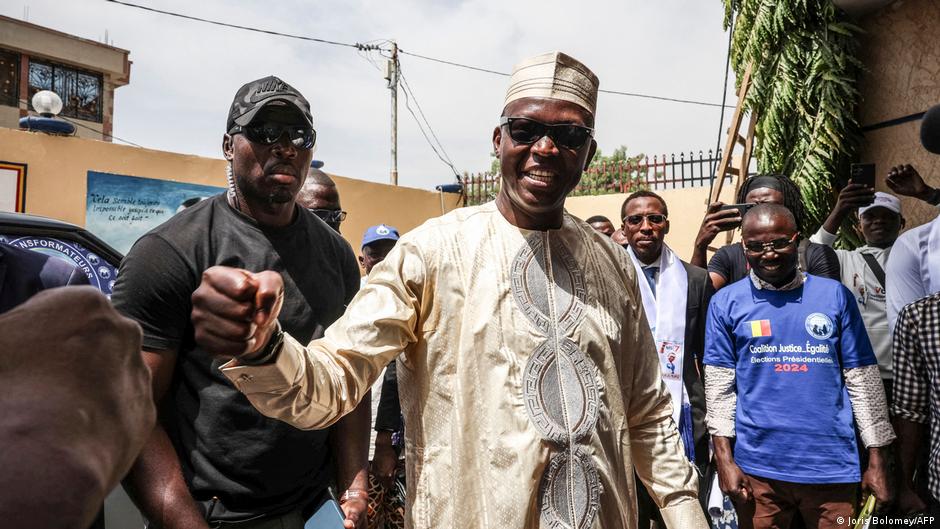
Among them is former Prime Minister Succès Masra, who had been sentenced to 20 years in prison for insurrection, along with eight other leaders from opposition parties affiliated with the GCAP coalition.
The presidential pardon cancels their prison sentences but does not erase their convictions. This means they will be released from prison but will retain criminal records, civil and financial penalties, and remain ineligible to hold public office.
This distinction between pardon and amnesty is crucial, as political analyst Bétinbaye Yamingué explains: “The President is responding to national expectations by using constitutional powers to free these political figures. However, it now falls to Parliament to take responsibility for a potential amnesty law.”
A parliament dominated by the ruling party
According to the analyst, the sincerity of the gesture will only be fully assessed if the President supports a parliamentary initiative—even from the opposition—to pass an amnesty law for these newly pardoned leaders.
In Chad, only the National Assembly has the authority to grant amnesty. Currently, the ruling party holds a strong majority, controlling 124 of the 188 seats.
“Improving the political climate isn’t just about releasing opposition leaders. It’s also about restoring their full political participation. If that doesn’t happen, this pardon, praised today, could tomorrow be seen as a mere political maneuver,” added Bétinbaye Yamingué.
Mixed reactions to the pardon
The announcement has already sparked a range of responses across Chad. The Transformers party declined immediate comment, preferring to await the release of its leader, Succès Masra, according to a party spokesperson.
Ndolembai Sadé Njesada, vice-president of the party, welcomed the decision, thanking President Mahamat Déby for taking a step toward “national unity” and expressing hope for an open dialogue to advance peace.
In contrast, Hissein Abdoulaye, spokesperson for the GCAP coalition, rejected the pardon outright. He argued that pardoning political leaders while stripping them of their civil and political rights amounts to a serious democratic setback. He had hoped for an amnesty instead.
Meanwhile, the ruling party’s Movement for National Salvation (MPS) praised the decision, calling it a “beneficial move” that will allow these political figures to reunite with their families.