Chad’s bold UN speech: sovereignty at risk after Ennedi-East airstrikes sparks regional tensions
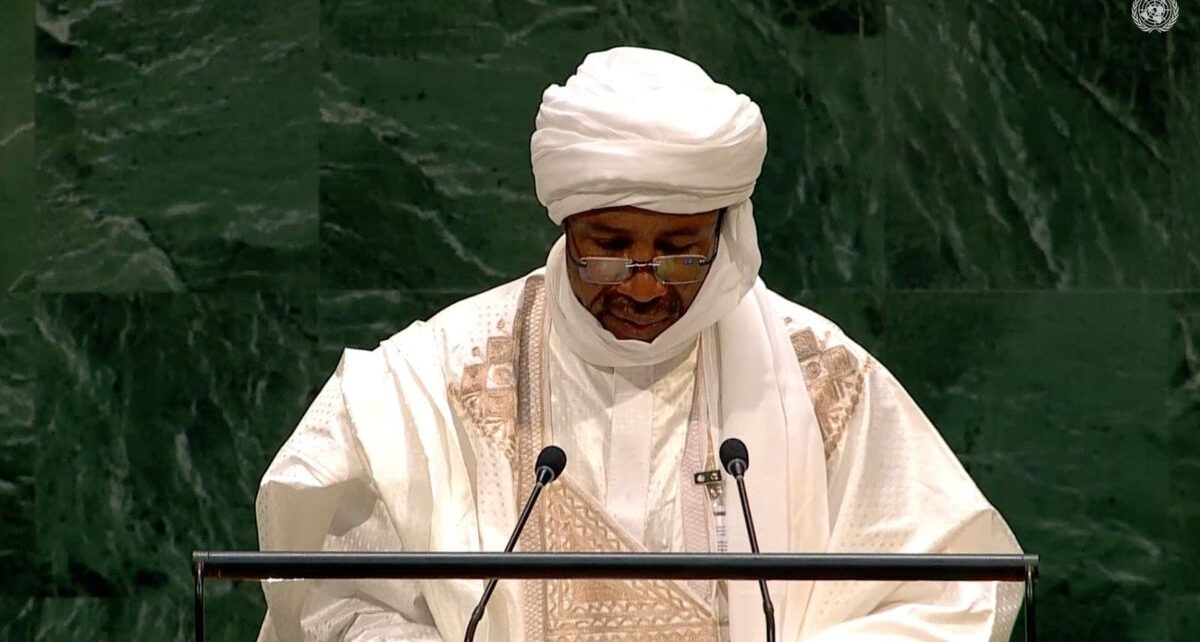
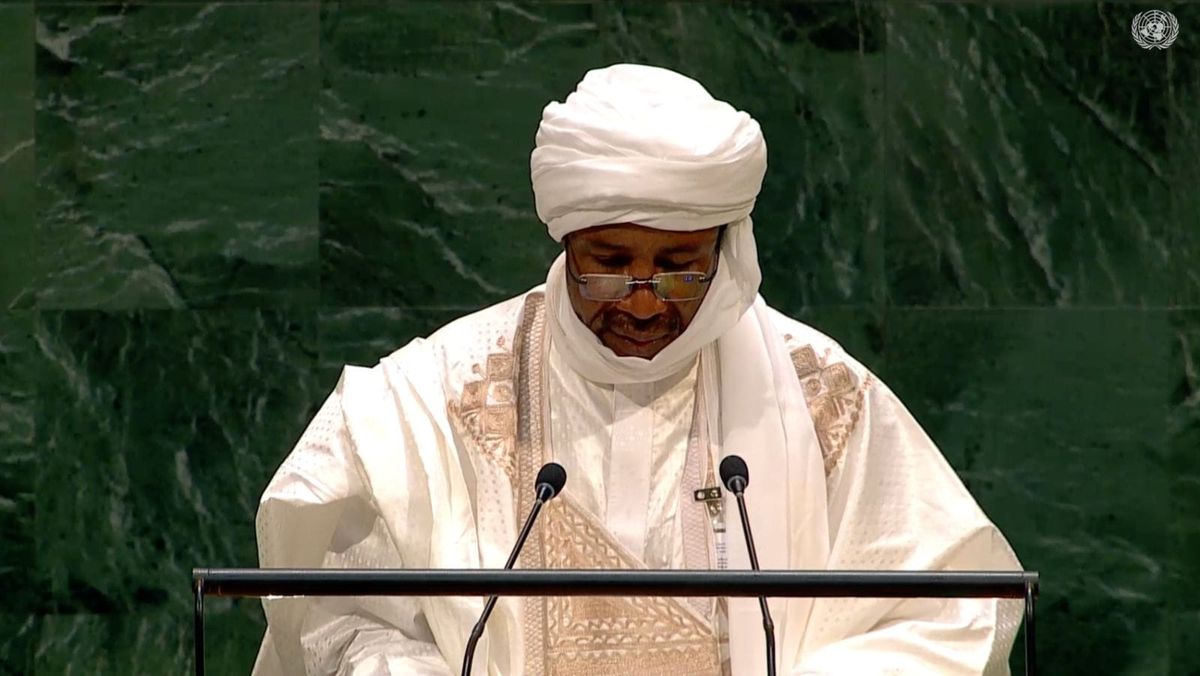
In a high-stakes address to the 81st UN General Assembly, Chad delivered a powerful message on its commitment to regional stability—and the urgent threats now endangering its sovereignty. Delivered by Dr. Abdelmadjid Abdelrahim Mahamat, Minister of Public Health and Prevention, the speech underscored the country’s diplomatic and humanitarian leadership while condemning recent aerial incursions in the Ennedi-East region as unacceptable violations of Chad’s territorial integrity.
From humanitarian frontlines to territorial defense: Chad’s dual burden
The address highlighted Chad’s pivotal role in stabilizing a region plagued by conflict and displacement. The country continues to host over two million displaced individuals, including more than one million Sudanese refugees who have fled violence since April 2023. Dr. Mahamat reaffirmed Chad’s strict neutrality in the Sudanese conflict while warning that recent aerial violations in Ennedi-East—where unprovoked incursions have triggered dangerous spillovers—represent a direct threat to national security.
The speech also emphasized Chad’s proactive engagement in international peacekeeping, including the deployment of 1,500 troops to Haiti under a UN Security Council mandate. This commitment, Chad argued, is part of a broader strategy to uphold global stability despite escalating regional threats.
Diplomatic defiance in the face of sovereignty breaches
While reaffirming its dedication to peaceful resolutions, Chad made it clear: aerial aggression will not go unanswered. The government condemned the Ennedi-East strikes as flagrant violations of sovereignty and warned of firm retaliation if such actions recur. This stance marks a significant shift from Chad’s traditionally cautious diplomacy, signaling a readiness to defend its borders and citizens by any necessary means.
Chad’s delegation also took a firm stance on global injustice, condemning aggression against sovereign states—whether in Iran, the Gulf, Gaza, or Cuba. Solidifying its moral authority, the country reaffirmed its support for a two-state solution in the Middle East and championed a sweeping reform of multilateral institutions to better address 21st-century challenges.
The economic and social fallout of unchecked airstrikes
The repercussions of these violations extend far beyond borders. Chad’s fragile economy, already strained by hosting millions of refugees, now faces heightened insecurity in the Ennedi-East region, a critical area for trade and agriculture. The disruption of livelihoods risks exacerbating food insecurity and poverty, with ripple effects across communities that depend on cross-border commerce.
Local leaders warn that repeated incursions could erode investor confidence, stalling infrastructure projects and economic growth. With the Ennedi-East region already vulnerable to climate-induced food shortages, the added strain of military instability threatens to push thousands more into displacement, straining already limited resources.
What’s next for Chad’s diplomatic offensive?
As Chad prepares to escalate pressure on the international community, key questions remain: Will regional partners unite in condemning these breaches? Can humanitarian aid continue unimpeded amid rising militarization? And how will Chad balance its dual role as a mediator and a nation under threat?
The UN speech has set the stage for high-stakes negotiations. Chad is no longer merely pleading for protection—it is demanding accountability, for itself and for others facing similar threats. One thing is clear: the world is watching to see whether Chad’s boldness will translate into lasting change—or further escalation.