In Chad, the political landscape is often defined by complex regional alliances and international influences. A central question for many observers revolves around the true nature of President Mahamat Idriss Déby Itno’s leadership: is he genuinely a sovereignist? This inquiry delves into his actions, particularly in foreign policy and domestic governance, seeking to understand the extent of Chad’s autonomy under his command.
Regional engagements and the quest for autonomy
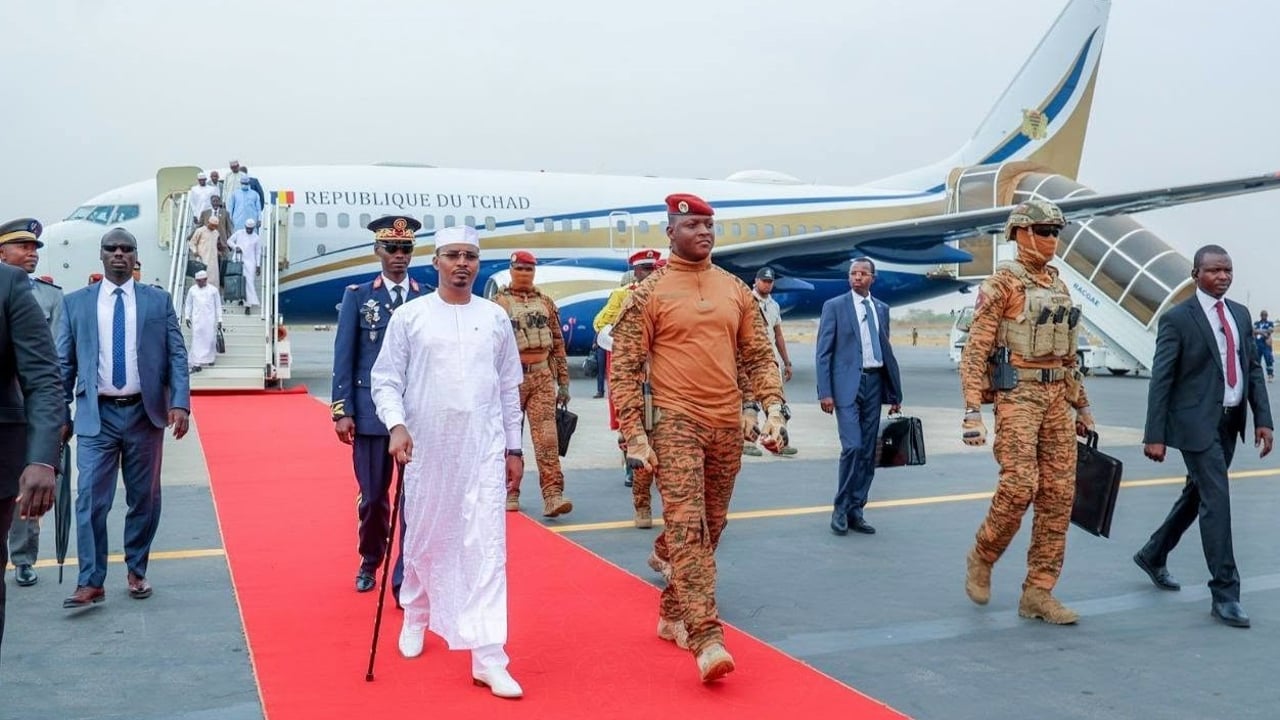
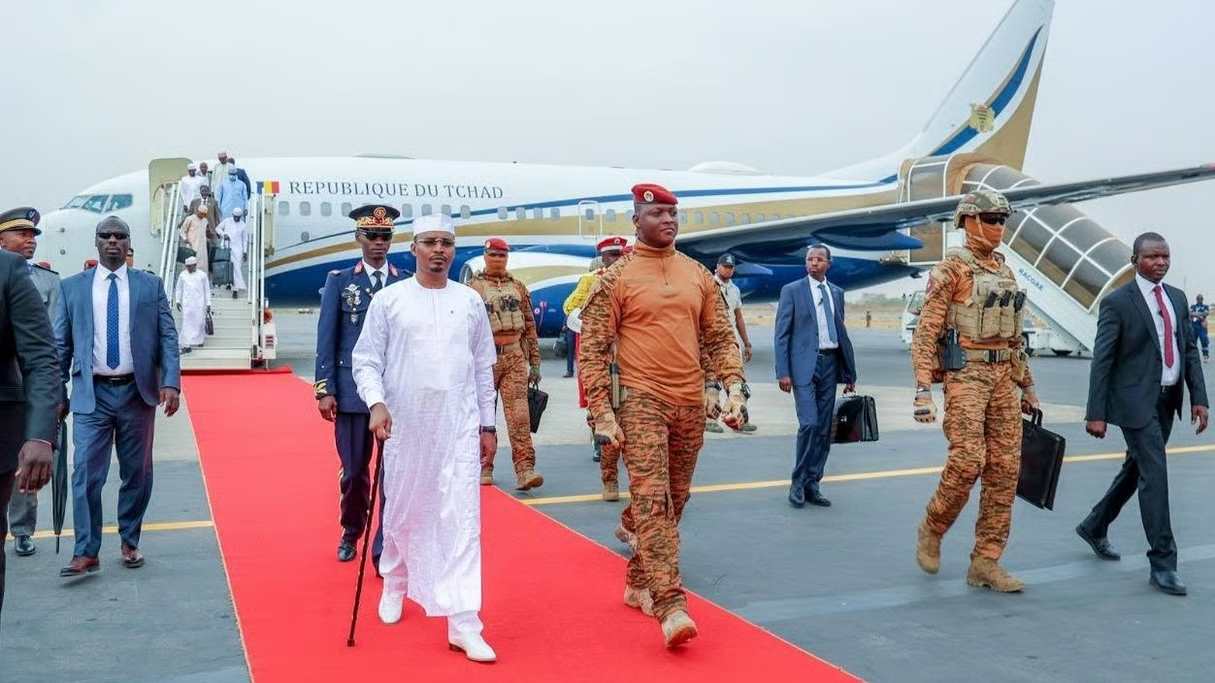
Mahamat Idriss Déby Itno’s recent engagements offer significant insights into his administration’s priorities. On February 21, 2025, he was notably welcomed by the Burkinabè junta leader, Ibrahim Traoré, upon his arrival in Ouagadougou. This high-profile visit to the capital of Burkina Faso, a key member of the Alliance des États du Sahel (AES), immediately sparked discussions about Chad’s alignment within the evolving regional security architecture. The presence of Chad’s leader in Ouagadougou, often a hub for crucial Ouagadougou news and regional diplomacy, highlights the importance of fostering strong ties with neighboring nations, especially those navigating similar challenges.
The burgeoning influence of the Alliance des États du Sahel, which includes Mali under Assimi Goïta, represents a distinct shift towards greater regional self-reliance. While Chad has not formally joined the AES, Mahamat Déby Itno’s engagement with its leaders suggests a careful balancing act, potentially seeking to leverage regional solidarity without fully committing to all its tenets. This strategic outreach could be interpreted as a move to bolster Chad’s position and assert its interests independently, a hallmark of a sovereignist approach.
International relations: navigating global powers
Beyond regional dynamics, Chad’s interactions with global powers also shape perceptions of Mahamat Déby Itno’s sovereignist agenda. The legacy of his father, Idriss Déby Itno, saw Chad maintain close, albeit sometimes strained, relationships with traditional partners like France, represented by figures such as Emmanuel Macron. However, the current administration appears to be diversifying its international partnerships, notably strengthening ties with countries like the United Arab Emirates. This strategic pivot could indicate a desire to reduce over-reliance on any single foreign power, thereby enhancing Chad’s diplomatic and economic independence.
The question of whether Mahamat Idriss Déby Itno is truly a sovereignist is not easily answered. His administration’s actions demonstrate a clear intent to engage robustly on the regional stage and to broaden Chad’s international alliances. While these moves align with a sovereignist posture, the long-term implications for Chad’s internal governance and its ability to chart an entirely independent course remain a subject of ongoing observation and analysis. The latest news from Ouaga and broader Burkina Faso English media often emphasize the push for national self-determination, a sentiment that resonates deeply within the Sahelian region and with Chad’s current leadership.