
Today at 5:55 PM Reading time: 7 minutes.
File generated on
Chad’s shifting political landscape under transitional leadership
Since Mahamat Idriss Déby Itno took control of Chad in April 2021, the country’s political environment has undergone significant changes. His transitional government, initially presented as a temporary solution, continues to face intense scrutiny over its commitment to restoring democratic processes. Critics argue that repression and political maneuvering have become defining features of the current administration, leaving opposition voices struggling to break through.
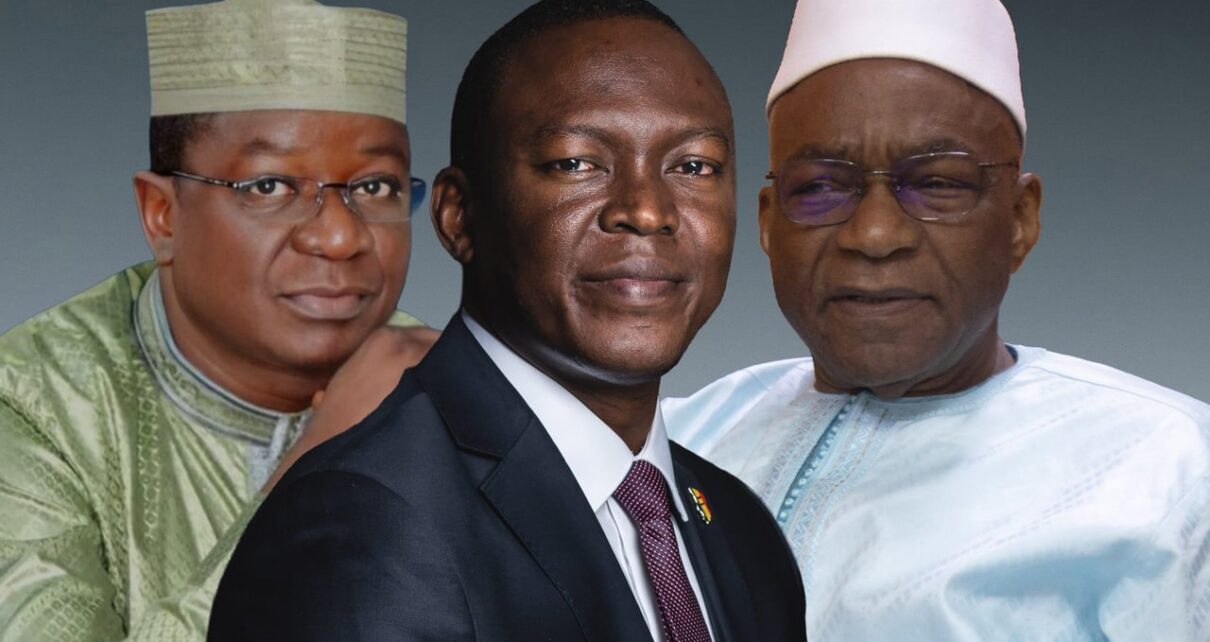
Three key figures have emerged as central to the opposition’s challenges: former Prime Minister Albert Pahimi Padacké, veteran politician Saleh Kebzabo, and young leader Succès Masra. Each represents a different strand of dissent, yet none have managed to consolidate a unified front capable of challenging Déby Itno’s grip on power.
The weight of repression on dissent
The transitional authorities have employed a variety of tactics to suppress opposition activity. Reports indicate that public gatherings have been restricted, while prominent activists and politicians have faced arrests or intimidation. The government’s narrative frames these measures as necessary for maintaining stability, yet opponents argue they are designed to silence criticism and stifle political competition.
Saleh Kebzabo, a long-standing political figure, has long been a vocal critic of the Déby family’s dominance in Chadian politics. His party, the National Union for Democracy and Renewal (UNDR), has been vocal in calling for reforms, but its influence has waned under the current regime. Despite his experience, Kebzabo’s ability to mobilize support remains hampered by legal constraints and government pressure.
Fragmented opposition, limited impact
Albert Pahimi Padacké, once a key ally of the late President Idriss Déby, has positioned himself as a reformist alternative. His efforts to rally opposition forces have, however, been undermined by internal divisions and a lack of cohesive strategy. Meanwhile, Succès Masra, leader of the Transformers party, has gained traction among younger voters for his anti-corruption stance, yet his movement faces constant surveillance and legal hurdles.
The opposition’s fragmentation is not merely a tactical weakness—it reflects deeper ideological and generational divides. While some factions advocate for immediate elections, others push for prolonged negotiations to reshape the transition process. This disarray has left many Chadians disillusioned, with polls suggesting growing public skepticism toward both the government and the opposition.
Government’s narrative vs. ground realities
Mahamat Idriss Déby Itno’s administration maintains that its actions are essential for preventing chaos and ensuring a smooth transition. Officials point to economic reforms and security improvements as evidence of progress, though these claims are often met with skepticism by independent observers. Critics argue that the government’s focus on control has overshadowed genuine democratic reforms, leaving Chad’s political future uncertain.
The international community, while cautiously engaged with the transitional government, has repeatedly urged for inclusive dialogue and respect for human rights. Yet, with each passing month, the space for dissent narrows, raising concerns about Chad’s democratic trajectory.
What’s next for Chad’s opposition?
The coming months will be pivotal. With regional and international pressure mounting, the opposition faces a critical choice: unite behind a common agenda or risk irrelevance. For now, the government holds the upper hand, but the resilience of civil society and grassroots movements suggests that the struggle for political pluralism is far from over.
As Chad navigates this delicate transition, one thing remains clear: the path to democracy will require more than just promises—it demands bold action from both leaders and citizens alike.