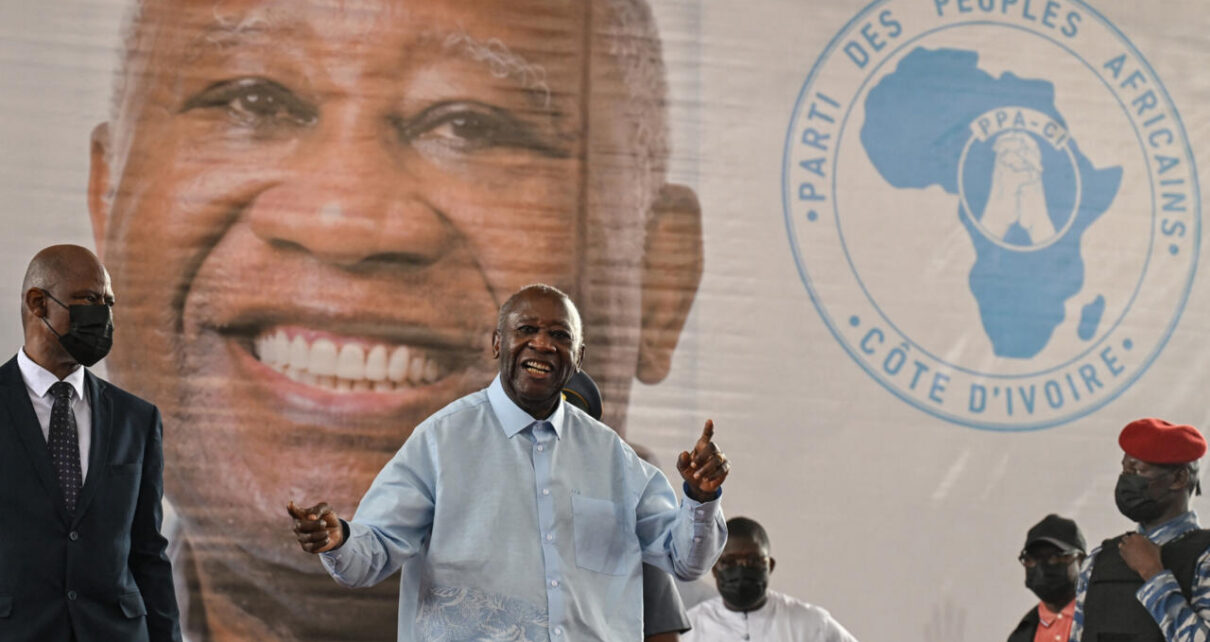
The Ivorian political landscape is witnessing a significant shift as Laurent Gbagbo delegates key responsibilities within his party, the Ivorian Popular Front (PPA-CI). Five prominent figures now hold pivotal roles previously under Gbagbo’s direct authority, signaling a strategic move to redefine the party’s future.
What’s driving this reorganization?
Laurent Gbagbo’s decision to restructure the PPA-CI leadership reflects a deliberate effort to prepare the party for a post-Gbagbo era. This transition could position the party for renewed influence in national politics or establish a new hierarchy aligned with evolving ambitions.
Who are the key figures stepping into these roles?
The five officials appointed to high-ranking positions bring diverse backgrounds, including political strategists, former government officials, and party loyalists. Their selection hints at Gbagbo’s vision for the PPA-CI’s next phase, balancing experience with fresh perspectives.
What does this mean for Côte d’Ivoire’s political future?
Analysts view this reorganization as a critical step in shaping the PPA-CI’s identity beyond Gbagbo’s longstanding leadership. The move could either consolidate party unity or spark internal debates over ideology and succession. Meanwhile, political observers are closely monitoring how these changes impact Côte d’Ivoire’s broader democratic landscape.
Expert insights on the transition
Sociologist and researcher Séverin Yao Kouamé, based at the University of Bouaké, offers a nuanced perspective on the implications. Kouamé highlights how this leadership shuffle may redefine the party’s relationship with voters and its role in upcoming elections.
Key takeaways
- Strategic delegation: Gbagbo’s move redistributes power within the PPA-CI to ensure continuity and adaptability.
- Future ambitions: The changes may pave the way for new leadership strategies ahead of upcoming political challenges.
- Expert analysis: Insights from Séverin Yao Kouamé shed light on the sociopolitical implications of this transition.