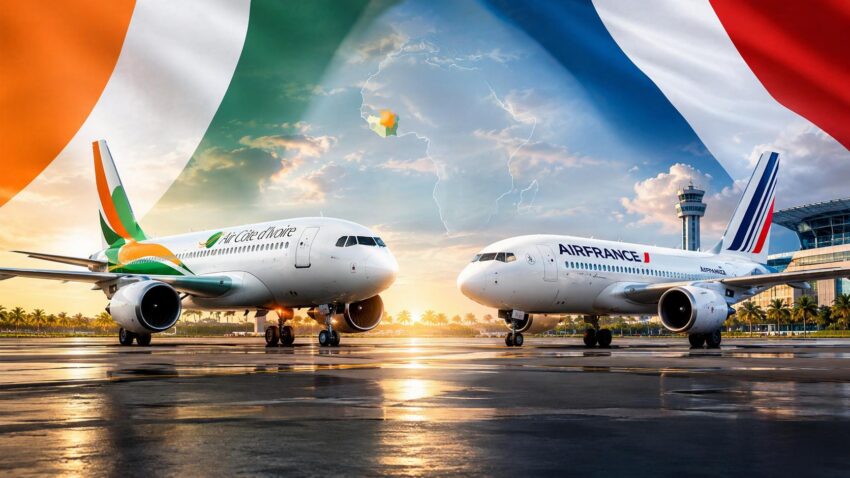
Global travel disruption drives city-to-city alliance
As post-pandemic recovery reshapes international aviation, a landmark agreement between Air Côte d’Ivoire and Air France promises real relief for travelers on the Paris-Abidjan route. Starting October 25, 2026, the mutual codeshare deal will slash ticket prices, expand flight schedules, and redefine customer loyalty benefits for thousands of passengers annually.
Expanded flight options and transparent pricing
The strategic partnership enables both carriers to market seats on each other’s flights under their own flight numbers, creating what aviation analysts call a “virtual airline network.” Travelers will immediately benefit from:
- Dual-branded scheduling: Enjoy up to 30% more departure options between Abidjan and Paris, with flexible morning, afternoon, and overnight departures.
- Unified booking experience: Single-ticket purchases that cover both airlines’ aircraft, operated by either carrier without hidden fees.
- Fare harmonization: Reduced premium cabin prices due to increased route competition and shared capacity utilization.
Frequent flyer programs merge for long-term gains
Beyond flight mechanics, the alliance pioneers an unprecedented loyalty crossover. By December 2026, travelers can:
- Double-dip rewards: sMiles members reserve seats on Air France-operated flights between the two capitals and accrue miles redeemable on Air France’s global network, including long-haul destinations in Europe, North America, and Asia.
- Tier benefits unlocked: elite status holders from Flying Blue gain access to Air Côte d’Ivoire-operated lounges in Abidjan and priority check-in regardless of flight carrier.
- Cross-platform redemption: Convert miles between programs without blackout dates, offering true global travel flexibility.
Economic ripple effects on both continents
For Abidjan, the partnership arrives as the city positions itself as West Africa’s premier business and tourism hub. Increased air connectivity directly fuels:
- Business travel surge: Multinational corporations report reduced travel costs for executives shuttling between Ivorian headquarters and European headquarters, stimulating trade and investment flows.
- Tourism dividend: Airlines target lower fares to attract budget-conscious European tourists eager for Ivorian beaches, cultural festivals, and eco-tourism reserves.
- Job creation ripple: Expanded operations require ground staff, pilots, and maintenance technicians at both airports, revitalizing local aviation employment markets.
Simultaneously, Paris bolsters its position as Africa’s top European gateway, ensuring continued dominance over competing hubs in Brussels, Lisbon, and Madrid for Ivorian connections.
A blueprint for African-European aviation growth
Analysts view the deal as a model for south-to-north cooperation. By mid-2027, Air Côte d’Ivoire plans to extend codesharing to additional Air France routes, potentially including connections to Lyon, Marseille, and seasonal leisure destinations like Nice. This phased expansion aims to:
- De-risk market entry: Leverage Air France’s vast global distribution system to penetrate new markets without heavy upfront investment.
- Sustainability focus: Shared aircraft utilization reduces empty seats, cutting fuel consumption per passenger by an estimated 15%.
- Regional integration: Strengthen West African intraconnectivity by funneling European traffic through Abidjan, positioning the Ivorian hub as a continental nexus.
What travelers need to know before booking
While the agreement promises transformative benefits, experts urge passengers to:
- Check airline websites: Always verify which carrier operates your specific flight number, as equipment and crew assignments may vary.
- Monitor fare trends: Initial booking windows may offer the deepest discounts, but prices could stabilize as schedule details solidify.
- Compare baggage policies: While both airlines honor each other’s fare classes, overweight and oversize baggage fees apply per operating carrier’s terms.
Final outlook: a win for passengers, airlines, and cities
The codeshare alliance arrives at a critical juncture when travelers demand both affordability and connectivity. By merging two networks under shared governance, Air Côte d’Ivoire and Air France aren’t just selling seats—they’re selling access to two continents. The true winner? The millions of passengers who will finally see the Paris-Abidjan journey not as a costly necessity, but as an accessible, rewarding experience.