The state of democracy in Africa presents a complex picture: while some nations are making democratic progress, others are grappling with political backsliding. Across the continent, democratic institutions face unprecedented strain—marked by authoritarian overreach in certain regions and growing resistance from citizens demanding accountability.
This dual reality is evident in Sub-Saharan Africa, where countries like Senegal, Madagascar, Mali, Burkina Faso, and Niger are at the center of a broader debate about the future of governance. Recent political developments have exposed deep fractures in democratic norms, with both setbacks and resilient pushes for reform shaping the continent’s trajectory.
Key challenges to democratic stability
Analysts have identified several pressing issues that threaten democratic resilience in Africa:
- Surge in military-led governance across the Sahel, particularly in Mali, Burkina Faso, and Niger, where juntas have consolidated power.
- Election-related controversies, including delays, cancellations, or disputed results that undermine public trust in electoral processes.
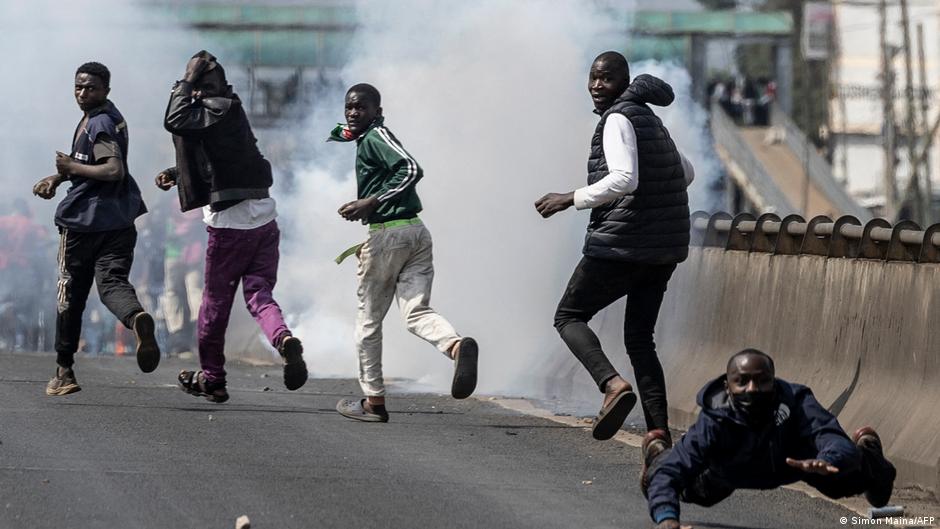
- Crackdowns on political opposition, media, and civil society, restricting freedoms and stifling dissent.
- Constitutional amendments enabling leaders to extend their mandates, raising concerns over term limits and institutional checks.
While elections remain a cornerstone of governance in many African states, their integrity is increasingly questioned. Reports indicate that while voting still occurs, competitive and transparent electoral environments are becoming scarcer in some regions.
Democratic resilience in action
Despite these obstacles, Africa’s democratic landscape is not solely defined by decline. Several nations continue to serve as models of political pluralism and peaceful transitions:
- Senegal, Cabo Verde, Botswana, the Seychelles, and Ghana stand out for their strong records in upholding democratic values.
- Recent elections in these countries demonstrate that voters can still hold governments accountable at the ballot box.
- Public opinion data from Afrobarometer reveals a persistent demand for transparency, civic participation, and government accountability among African citizens.
The power of youth in shaping Africa’s democratic future
The continent’s young population is emerging as a driving force behind democratic demands. Across Africa, youth-led movements are advocating for:
- cleaner, more transparent elections;
- stronger anti-corruption measures;
- better governance and economic opportunities;
- greater civic engagement and inclusion.
Critical priorities for the coming years
To strengthen democratic governance, African nations must address several urgent priorities:
- Restoring constitutional rule in countries currently governed by military regimes.
- Ensuring the independence of electoral and judicial institutions.
- Upholding term limits and respecting constitutional provisions on leadership.
- Protecting public freedoms, including press freedom, political opposition, and civil society activities.
- Addressing socio-economic demands, particularly among young people, to reduce disillusionment with democratic processes.