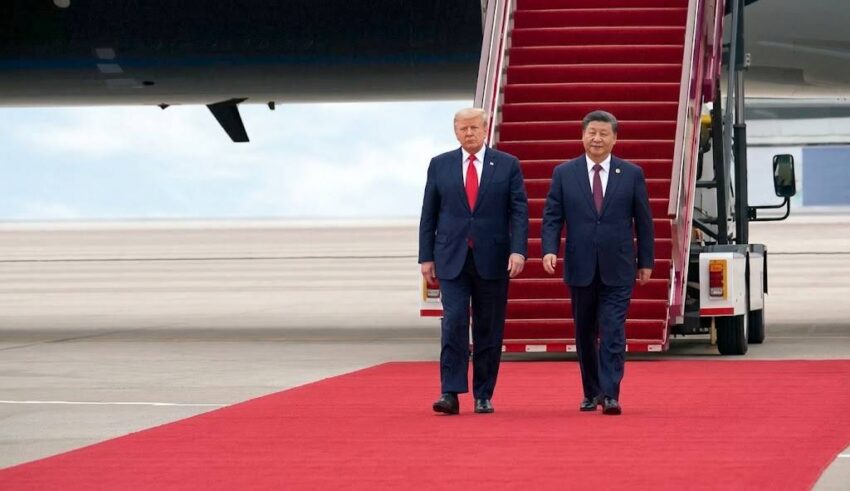
The air crackled with diplomatic tension this week as the world’s most powerful leaders landed in Shenzhen, China, for what analysts are calling a potential geopolitical earthquake. The surprise trilateral gathering between President Donald Trump, China’s Xi Jinping, and Russia’s Vladimir Poutine on November 19, 2026, wasn’t just another photo op at the APEC summit — it was a high-stakes moment that could redefine stability for millions of families, businesses, and entire economies worldwide.
Why this summit matters to everyday life
When three global superpowers share a room, the ripple effects aren’t limited to war rooms or stock exchanges. Families filling their gas tanks, small business owners waiting on international shipments, and governments balancing budgets could all feel the aftershocks of decisions made in Shenzhen. This isn’t about distant policy debates — it’s about real money, real jobs, and real security for people around the globe.
Nuclear arms, Middle East flashpoints, and the cost of global conflict
The agenda reads like a list of crises: reducing nuclear stockpiles, reigning in Iran’s regional ambitions, and finding an exit ramp to the war in Ukraine. Each topic hits home in different ways:
- Families across Europe and Asia may face higher energy prices if oil markets react to shifts in US-China-Russia energy diplomacy.
- Tech startups from Silicon Valley to Bangalore could see export bans lifted or tightened, depending on whether Washington and Beijing compromise on semiconductor controls.
- Ukrainian refugees, farmers, and factory workers will feel the impact of any ceasefire or arms control breakthrough directly in their daily lives.
- Students and researchers worldwide might find scholarships, visas, and research partnerships frozen or freed based on geopolitical détente.
These aren’t hypothetical concerns. They are the real-world stakes on the table in Shenzhen.
China’s central role in the new diplomacy
As host in Shenzhen — China’s tech and manufacturing hub — Xi Jinping isn’t just a mediator; he’s positioning the country as the indispensable middle power. By bringing Trump and Poutine to the table, Beijing signals it won’t be sidelined in any global crisis. That could translate into new trade corridors, infrastructure deals, or even currency agreements that reshape commerce from Shanghai to São Paulo.
But leadership comes with pressure. If Xi’s diplomacy fails to deliver tangible progress on nuclear safety or regional stability, China risks losing credibility as a responsible global actor — and millions of businesses that depend on its markets could pay the price.
Can Washington, Beijing, and Moscow rewrite the rules of peace?
The question isn’t whether this summit will change the world — it’s whether it will change it for the better. The Yalta comparisons floating around pundit circles miss a crucial difference: in 1945, the Allies were fighting a shared enemy. Today, Trump, Xi, and Poutine lead nations with competing visions, divergent alliances, and deep mistrust.
Yet history shows that even rival powers can find common ground when the alternative is global chaos. The Shenzhen summit may not produce a grand treaty or a new world order. But even a modest agreement on nuclear transparency or safer maritime corridors could ease inflation pressures, stabilize supply chains, and give everyday families a little more breathing room.
What happens next?
Within hours of the first handshake in Shenzhen, global markets, energy traders, and security analysts will parse every word, tone, and gesture for clues. Will sanctions ease? Will new alliances form? Will war zones see a flicker of hope?
The world isn’t waiting for a perfect deal. It’s hoping for a real one. And whether you know it or not, your next paycheck, your child’s school fees, and the price at the pump may all hinge on the outcome.