diplomatic thaw between Mali and Algeria could reshape Sahel security
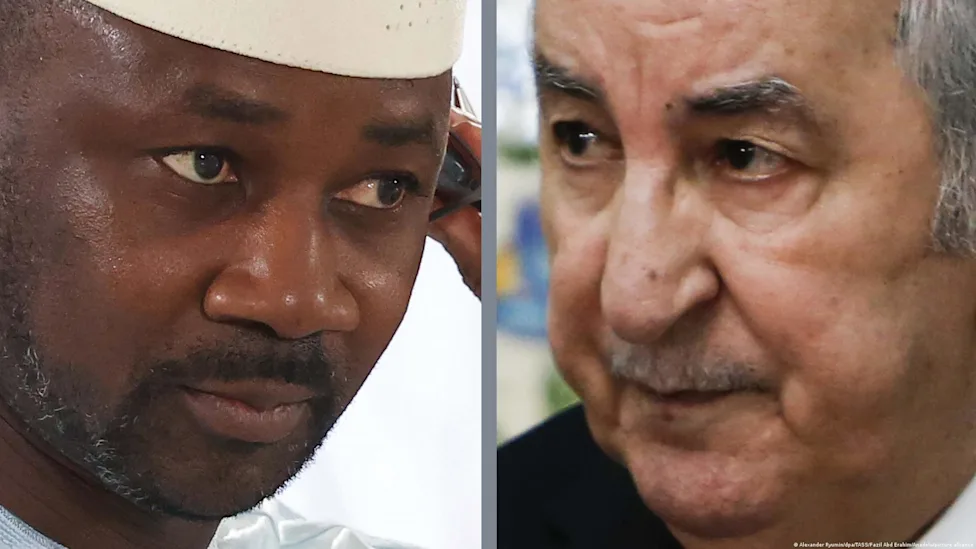
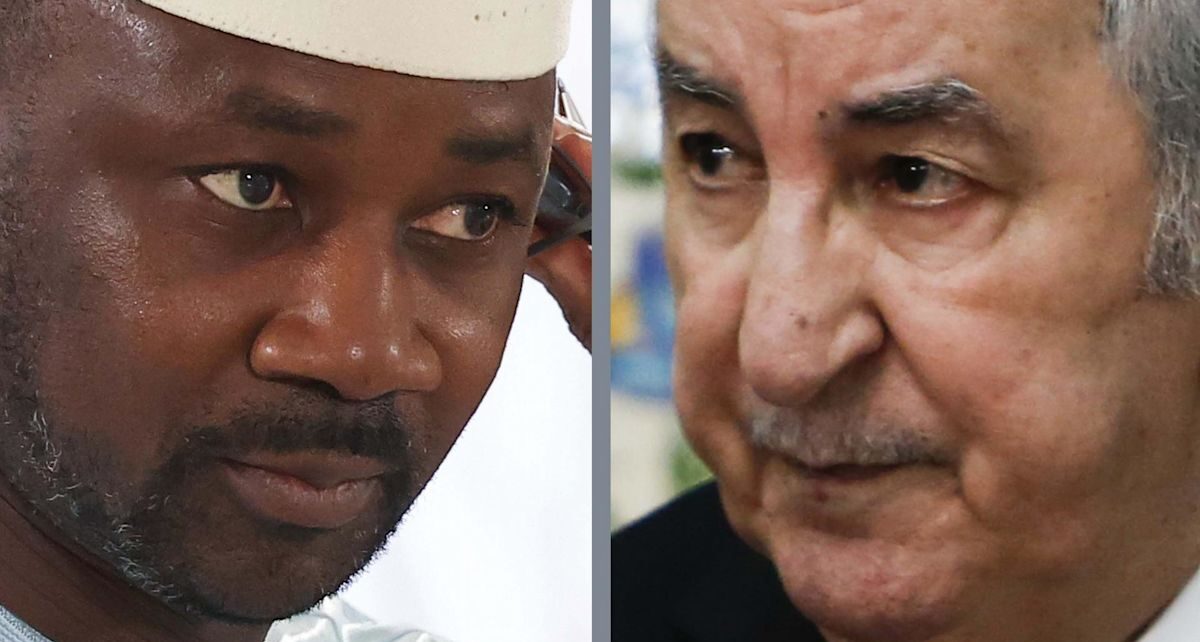
The diplomatic ties between Bamako and Algiers hit rock bottom in April 2025 when an Algerian drone was shot down over Malian airspace. Algiers accused Mali of violating its sovereignty, a claim promptly dismissed by Malian authorities. In response, Mali sealed its borders and airspace with Algeria, a move that affected a shared frontier stretching over 1,300 kilometers.
By early July 2025, both nations took decisive steps to mend relations. They announced the reinstatement of ambassadors and the reopening of their respective airspaces, signaling a potential shift in regional dynamics.
During a recent phone conversation, Algerian Prime Minister Sifi Ghrieb extended an invitation to his Malian counterpart for an official visit to Algeria, underscoring the urgency of restoring dialogue.
Regional stability hinges on Mali-Algeria cooperation
According to sociologist Mohamed Amara, the thaw in relations between Mali and Algeria serves as a critical step toward restoring peace in the Sahel. The escalating insecurity in the region—particularly involving armed groups and rebel factions—has made collaboration between neighboring states indispensable.
For Algeria, re-engaging Mali diplomatically is not just about bilateral relations but also about preventing further deterioration of security along its southern borders. While the Sahel crisis has not yet reached Algeria’s immediate vicinity, the spillover risks remain a growing concern.
Algeria’s strategic partnership with Russia further amplifies the importance of this rapprochement. Moscow’s influence in both nations provides a unique opportunity for Algiers to assert its leadership in regional security efforts.
How Mali benefits from the renewed alliance
For Mali, the benefits are twofold. First, securing the Algerian border is essential to prevent it from becoming a conduit for arms trafficking and militant infiltration. Second, reopening diplomatic channels could pave the way for negotiations with groups like the Azawad Liberation Front, fostering long-term political stability.
Could this shift alter Sahel geopolitics?
Since 2020, the geopolitical landscape of the Sahel has remained largely unchanged. However, this development signals a potential realignment. Algeria’s re-entry into regional diplomacy, coupled with Russia’s continued role as a key partner for both Mali and Algeria, could redefine power dynamics in the area.

Related Articles