Douala fallout: what Motazé’s capital markets push means for Cameroon and CEMAC
At the opening of the first Diamond Capital Convention in Douala on September 24, 2026, Finance Minister Louis Paul Motazé called for a deeper, more dynamic and more attractive financial market to support businesses, infrastructure and major economic transformation projects in Cameroon and the CEMAC region. The speech has triggered a wave of reactions and raised questions about what comes next.
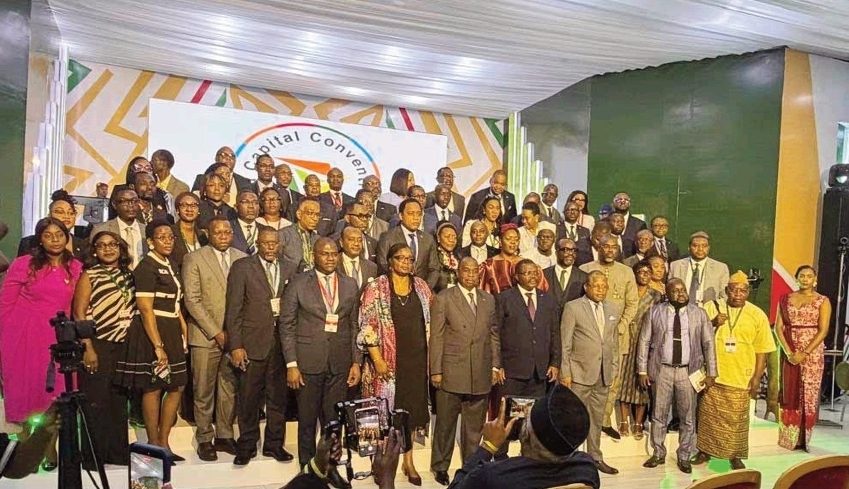
Finance Minister Louis Paul Motazé chaired the opening ceremony of the first Diamond Capital Convention in Douala on September 24, 2026. The gathering brought together public authorities, investors, financial institutions, businesses, regulators and other market participants to discuss the challenges of financing the economy.
In his opening address, the MINFI urged stakeholders in the financial ecosystem to strengthen capital mobilization for the real economy. Meeting in Douala for this inaugural event, key players exchanged views on how to channel more capital toward productive sectors.
Louis Paul Motazé stressed the need to develop a deeper, more dynamic and more attractive financial market capable of supporting companies, infrastructure and major economic transformation projects in Cameroon and the Central African Economic and Monetary Community (CEMAC).
Reactions pour in after Motazé’s call
The minister’s speech has sparked widespread debate among market watchers. Many see it as a turning point, but others question whether the region’s capital markets can deliver on such ambitions. Analysts point to the need for concrete follow-up actions, including regulatory reforms and stronger investor protection.
In his address, the Finance Minister emphasized the importance of enhancing the financial market’s capacity to mobilize resources for the real economy. The goal is to direct capital more effectively toward businesses, infrastructure and high-growth sectors.
This mobilization targets industrialization, local processing of raw materials, infrastructure, energy and digital technology—sectors that can drive value creation, economic activity and job creation.
Financial market development
Défis Actuels, Cameroon’s leading news magazine
What comes next? The savings challenge and investor confidence
For Louis Paul Motazé, developing the capital market also requires diversifying financing instruments and bridging the gap between project promoters’ needs and available investor resources. The aim is to create more pathways between capital and projects that can sustainably transform economies.
Savings mobilization
Trust also plays a central role in this dynamic. It relies on effective regulation, transparency, quality financial information, good governance and investor protection.
Mobilizing savings is another key issue. Developing an accessible and credible financial market should gradually strengthen the participation of economic actors and the public in financing productive activity.
Through this first Diamond Capital Convention, participants are expected to come up with concrete solutions to boost financing for Cameroon’s and the community’s economies, support productive investment and accompany economic transformation.
Economic transformation in Cameroon
Défis Actuels, Cameroon’s leading news magazine
For Cameroon and CEMAC, the challenge is to turn the capital market into a genuine development lever by converting available financial resources into productive investments, infrastructure, competitive businesses and jobs.
By Editorial Team
Défis Actuels, September 29, 2026
- DOUALA-BAFOUSSAM ROAD: Why rehabilitation work is delayed despite IDB financing
- AFD: Virginie Dago leaves Cameroon after nearly 390 billion FCFA in financing
- Health financing: Cameroon seeks alternatives as international aid declines
- Cameroon and Germany seal new 58.4 billion FCFA agreement for 2025-2026 financing cycle
- Coffee time: Douala hosts forum to facilitate SME financing