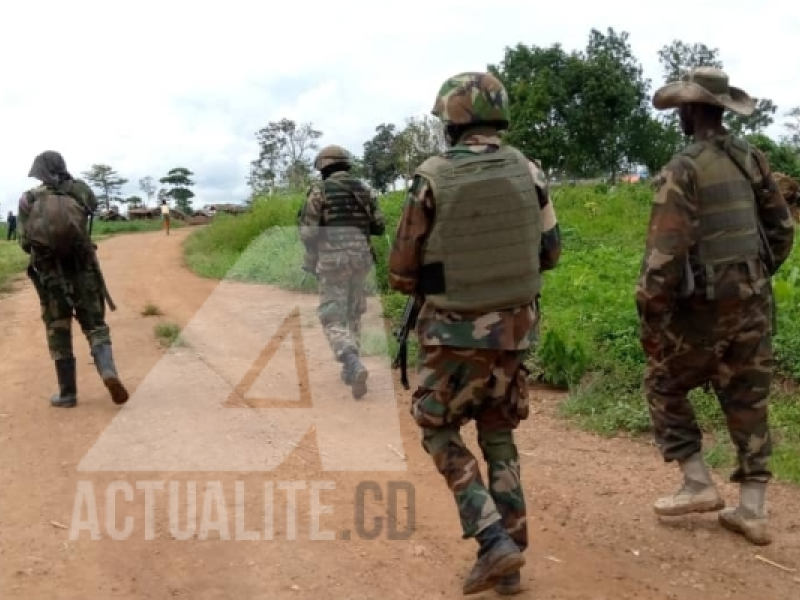
DR Congo army tightens smartphone ban for soldiers in combat zones
- Security
DR Congo’s military command issues stern warning against unauthorized smartphone use at frontlines
The Armed Forces of the Democratic Republic of Congo (FARDC) have issued a fresh directive strictly prohibiting unauthorized smartphone use by soldiers in active combat zones. Commanders warn that even a single device improperly used could compromise entire units and threaten mission success.
Serious security risks identified
In an official statement released yesterday, acting FARDC spokesperson Lieutenant-Colonel Mak Hazukay emphasized that smartphones—especially when left on or used carelessly—can reveal troop positions, facilitate enemy tracking, and expose military units to ambushes or direct attacks. The communication specifically targets unauthorized mobile phone activity in operational theaters, including the high-risk regions of Fizi and Mwenga in South Kivu, where clashes with AFC/M23 rebels continue.
Clear directives for frontline personnel
The army has outlined strict measures for military personnel:
- No sharing of operational details: Soldiers are forbidden from revealing their locations, movements, mission parameters, troop numbers, or any imagery related to combat operations on social media or messaging platforms.
- Strict compliance with communication protocols: All phone use must align with established military communication guidelines during deployment.
- Report suspicious activity: Any unauthorized phone use or potential information leaks must be reported immediately to command structures.
Context and ongoing challenges
This latest warning follows the circulation of several videos on social media showing Congolese soldiers criticizing conditions on the frontlines in South Kivu. While the army acknowledges the difficulties faced by troops—particularly in remote and under-resourced areas—it insists that operational security must remain the top priority. Similar incidents were reported near Goma in the past, prompting repeated warnings from military leadership to prevent intelligence leaks that could aid rebel groups like the AFC/M23.
The FARDC has underscored that vigilance, discretion, and adherence to protocol are essential to protecting both personnel and national security. Failure to comply with these directives not only endangers individual soldiers but jeopardizes broader military objectives.