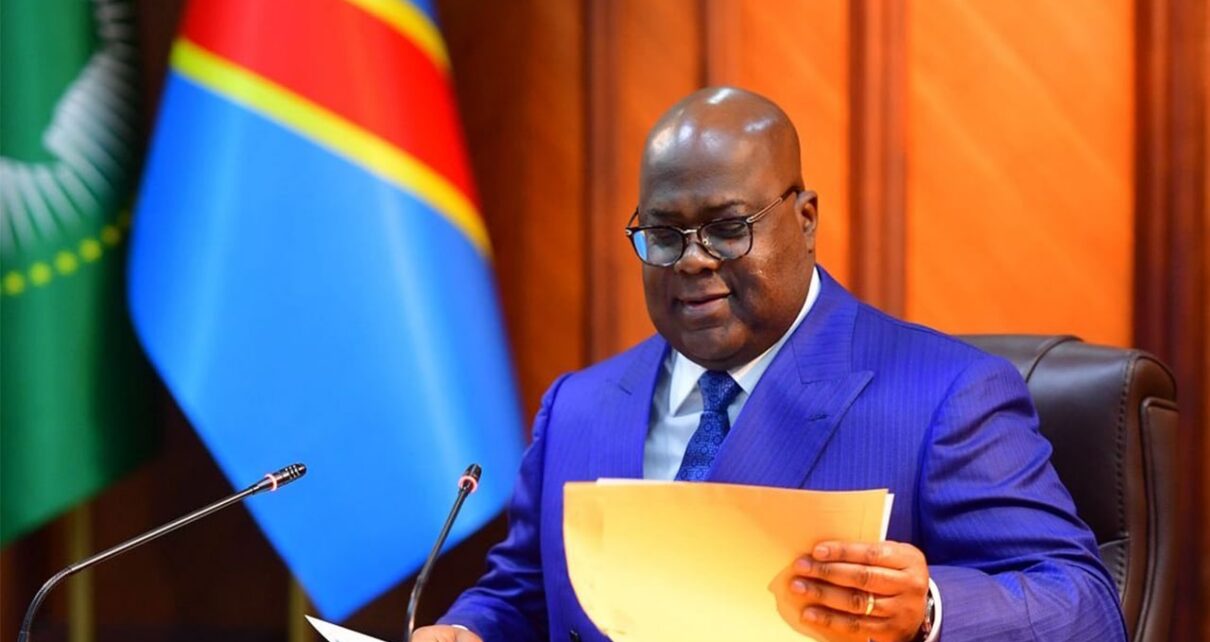
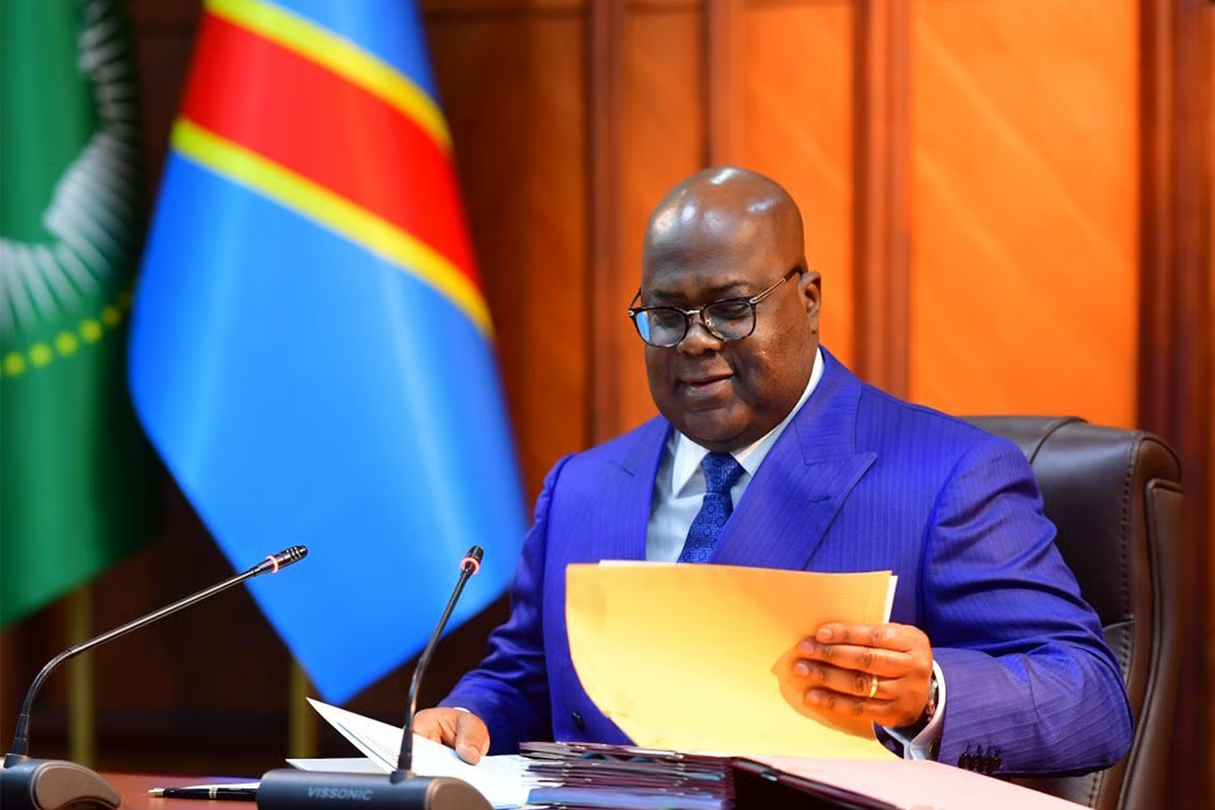
In the heart of Kinshasa, political tensions appear to ease as President Félix Tshisekedi signals openness to inclusive negotiations. This shift comes after months of intensified pressure from opposition factions and civil society groups demanding a reset in governance. Observers note a marked change in tone from the Democratic Republic of the Congo’s leadership, raising hopes for a breakthrough in the stalled national dialogue process.
Signs of easing political climate
The past week has seen a flurry of behind-the-scenes meetings between government envoys and opposition representatives. While details remain scarce, multiple sources confirm that preliminary agreements on key procedural aspects have been reached. These developments suggest that the government is finally willing to address long-standing grievances regarding electoral transparency and institutional reforms.
Key areas of potential compromise
- Electoral framework adjustments: Discussions are reportedly underway to revisit controversial aspects of the electoral code, including voter registration and dispute resolution mechanisms.
- Power-sharing proposals: Opposition leaders have floated ideas around greater representation in oversight bodies, a move the government seems cautiously receptive to.
- Security sector reforms: Calls for professionalizing the military and police have gained traction, with both sides acknowledging the need to depoliticize security institutions.
These tentative steps forward follow a period of heightened instability, marked by protests and sporadic clashes between security forces and demonstrators. The government’s newfound willingness to engage may stem from both domestic pressure and international mediation efforts.
Challenges ahead for the national dialogue
Despite the encouraging signals, significant hurdles remain. Deep divisions persist among opposition groups, with some factions refusing to participate unless their core demands are met. Meanwhile, hardline elements within the ruling coalition continue to resist concessions, viewing them as threats to their authority.
International actors, including regional bodies and Western partners, have intensified calls for a swift resolution. Their involvement could prove crucial in tipping the balance toward meaningful compromise.
What happens next?
The coming days will be critical. If the current momentum holds, a formal announcement on the dialogue’s framework could emerge soon. However, skepticism lingers given the history of broken promises in similar initiatives. All eyes will be on President Tshisekedi’s next moves and whether he can deliver on these early overtures.
The stakes could not be higher. With the country’s stability and economic future hanging in the balance, the success or failure of these negotiations will shape the DRC’s trajectory for years to come.