In the eastern Democratic Republic of the Congo (DRC), families face a relentless battle for survival as two crises collide—an unrelenting Ebola outbreak and a brutal armed conflict. While medical teams race to contain the epidemic, millions of people are also grappling with severe food insecurity, made worse by violence that has displaced communities and choked off access to farmland, markets, and livelihoods.
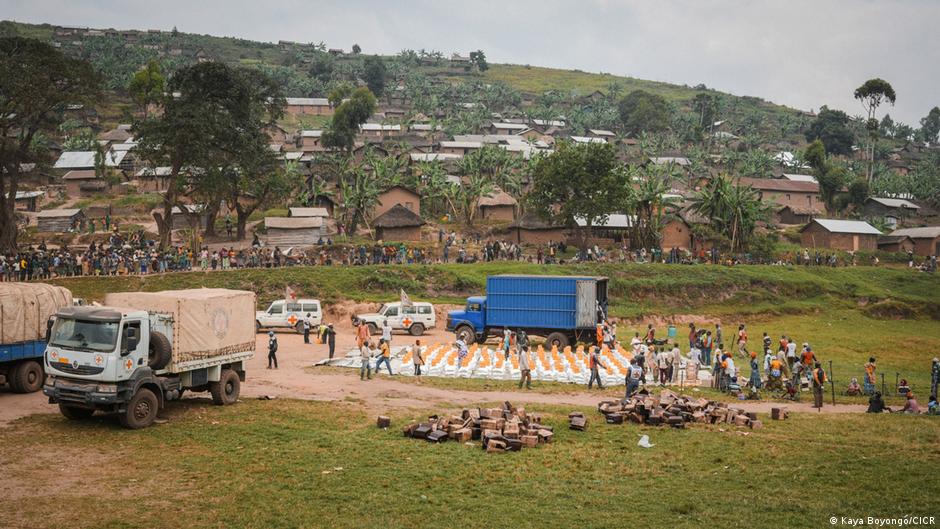
The International Committee of the Red Cross (ICRC) has resumed critical food and seed distributions, reaching over 80,000 people in high-risk zones. Yet, delivering aid in this environment is fraught with danger. Aid workers must navigate active conflict zones, restricted movement corridors, and the ever-present threat of disease transmission. The question remains: how can humanitarian organizations respond when families are forced to choose between hunger and exposure to Ebola?
Ebola deepens the crisis in a war-torn region
Eastern DRC has been scarred by decades of conflict, leaving communities with frayed resilience and shattered infrastructure. The emergence of Ebola in this fragile setting has compounded an already dire humanitarian situation. Lockdowns meant to curb the virus have disrupted trade, limited access to farmland, and left many without income.
According to Abdoule-Karim Diomande, Head of Programs for the ICRC in the DRC, the epidemic has eroded the coping strategies of households that were already stretched to their limits. “Every new crisis weakens their ability to recover,” he explains. “The poorest families, who have the fewest resources, bear the brunt of these overlapping emergencies.”
Food insecurity worsens as agriculture falters
The impact on food security is severe. Many households can no longer safely access their farmland and are forced to cultivate smaller, overworked plots near villages or temporary shelters. This intensifies soil degradation and reduces crop yields over time. Agricultural support services—critical for improving productivity—are often inaccessible due to ongoing violence and displacement.
Border areas face even greater challenges. Closures and restrictions have severed trade routes that once supplied food and generated income for local communities. Without markets to sell their harvests or buy seeds, families face a cycle of shrinking food supplies and rising hunger.
For aid organizations like the ICRC, the challenge is not just delivering food—it’s ensuring that support reaches those who need it most, despite the obstacles. Each distribution is a lifeline, but one that comes at great risk in a region where survival itself is a daily struggle.