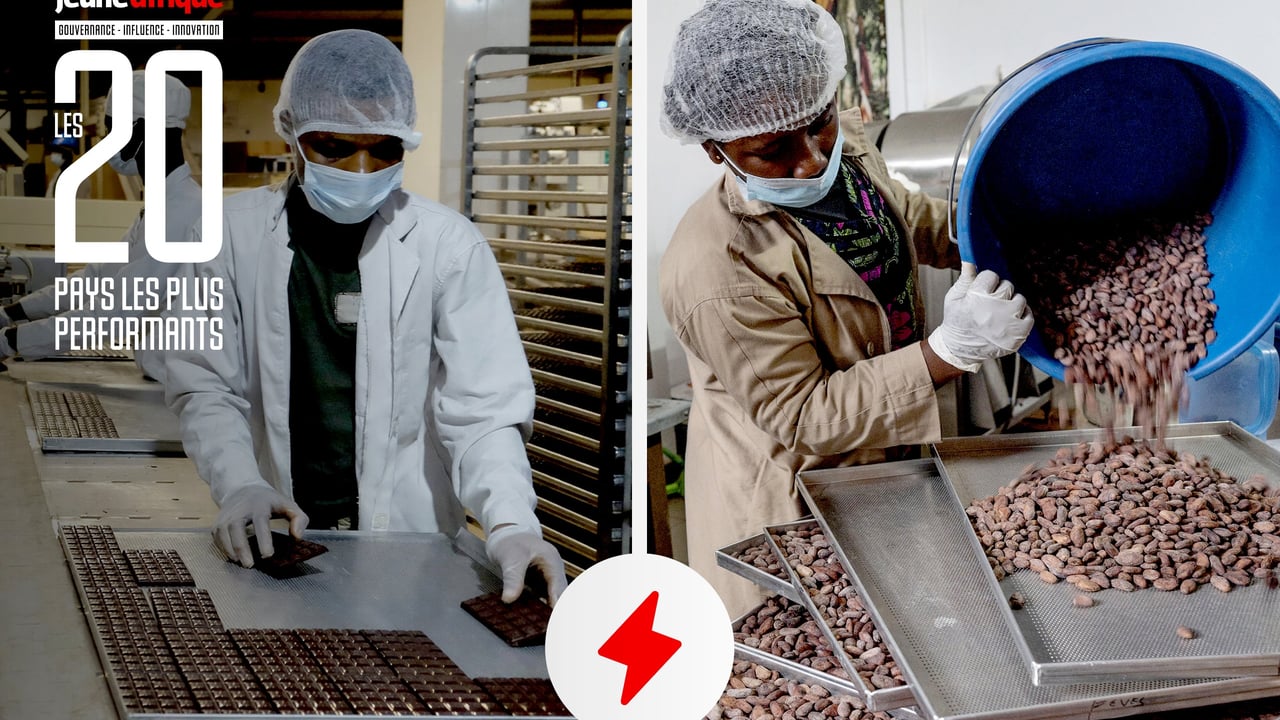
For the first time in recent history, Ghana is poised to overtake Côte d’Ivoire in terms of economic output, according to the latest projections from the International Monetary Fund (IMF). This shift marks a significant moment for both West African nations as they navigate post-pandemic recovery and evolving global economic conditions.

Key economic indicators reveal stark contrasts
The IMF’s World Economic Outlook highlights a notable divergence between the two economic powerhouses of West Africa. While Côte d’Ivoire has long been celebrated for its agricultural prowess and stable growth, Ghana is rapidly gaining ground through diversification and industrial expansion. The numbers tell a compelling story:
- Ghana’s GDP is projected to hit $118 billion in 2026, a 7% increase from the previous year.
- Côte d’Ivoire’s GDP, though still robust at $110 billion, reflects a more modest growth trajectory of 5.5%.
- Per capita income in Ghana is expected to rise to $3,200, while Côte d’Ivoire’s remains slightly lower at $3,000.
- Inflation rates present another key difference: Ghana’s inflation stands at 18.5%, significantly higher than Côte d’Ivoire’s 3.8%.
Structural factors driving Ghana’s momentum
Several underlying factors contribute to Ghana’s accelerating economic performance:
- Industrial diversification: Ghana has made substantial investments in manufacturing, technology, and services, reducing its reliance on traditional sectors like cocoa and gold.
- Foreign direct investment (FDI): Increased FDI in sectors such as oil and gas, with new offshore discoveries boosting production capacity.
- Debt restructuring: Successful negotiations with creditors have improved fiscal sustainability, allowing for greater public investment in infrastructure and education.
- Digital economy growth: A thriving tech ecosystem, particularly in fintech and e-commerce, is propelling productivity and employment.
Côte d’Ivoire’s strengths and challenges
Despite the projected dip in GDP ranking, Côte d’Ivoire remains a regional leader with distinct advantages:
- Agricultural dominance: The world’s top cocoa producer, Côte d’Ivoire’s agricultural sector accounts for nearly 20% of GDP and employs over 40% of the workforce.
- Infrastructure development: Major investments in ports, roads, and energy have enhanced trade connectivity across West Africa.
- Political stability: Consistent governance and investor-friendly policies have fostered long-term economic planning.
- Regional integration: Active participation in the Economic Community of West African States (ECOWAS) strengthens trade ties and economic resilience.
What this means for investors and policymakers
The shifting economic landscape between these two nations presents both opportunities and risks for stakeholders:
- Investment diversification: Investors may increasingly favor Ghana for higher growth potential, though risks such as inflation and debt levels remain.
- Policy adaptation: Côte d’Ivoire may need to accelerate reforms to sustain its competitive edge, particularly in diversifying away from agriculture.
- Regional collaboration: Closer economic ties between the two countries could unlock synergies, particularly in energy and trade infrastructure.
- Long-term outlook: Both nations must address structural challenges like youth unemployment and climate resilience to ensure sustainable growth.
Conclusion: A tale of two economies
While Côte d’Ivoire has long been the economic anchor of Francophone West Africa, Ghana’s rise underscores the dynamic nature of the region’s growth story. The 2026 projections signal a new chapter—one where both nations must adapt to maintain their competitive positions. For investors, the story highlights the importance of agility in navigating Africa’s rapidly evolving economic terrain.