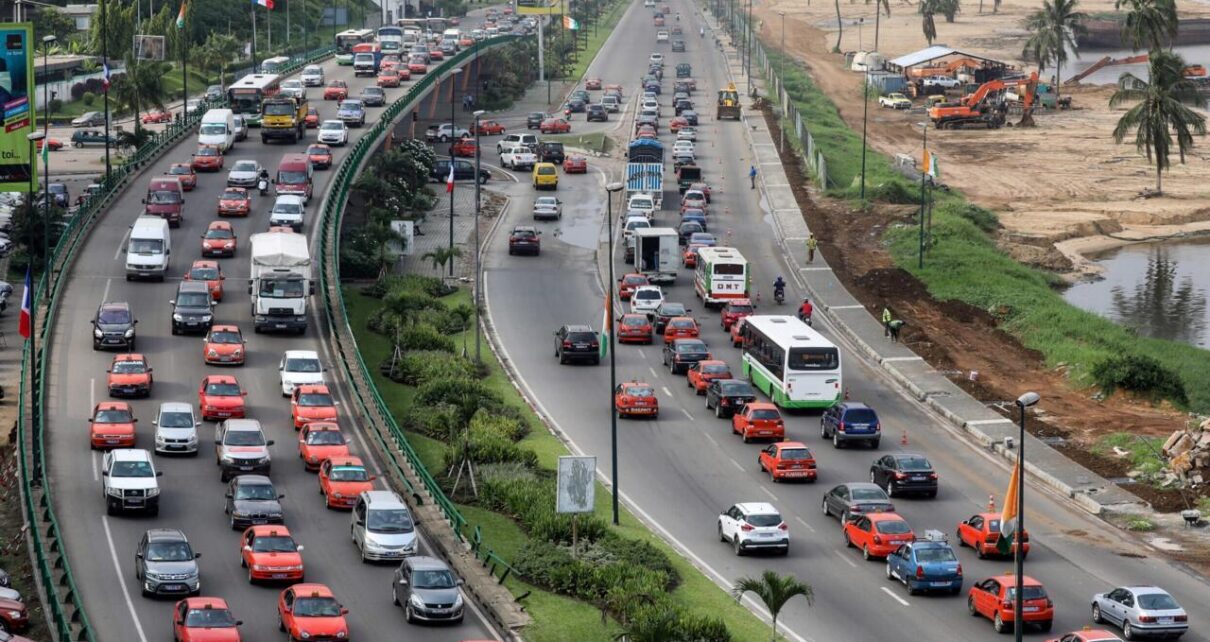
The electric vehicle revolution is quietly making its mark in Côte d’Ivoire’s urban mobility ecosystem. More than a thousand electric cars now crisscross the country’s roads, with the majority deployed in the VTC (ride-hailing) sector. These silent, fuel-free vehicles offer operators substantial savings on daily operating costs. Yet the transition isn’t without hurdles: high purchase prices, a sparse network of charging stations, and heavy reliance on imports continue to pose challenges.
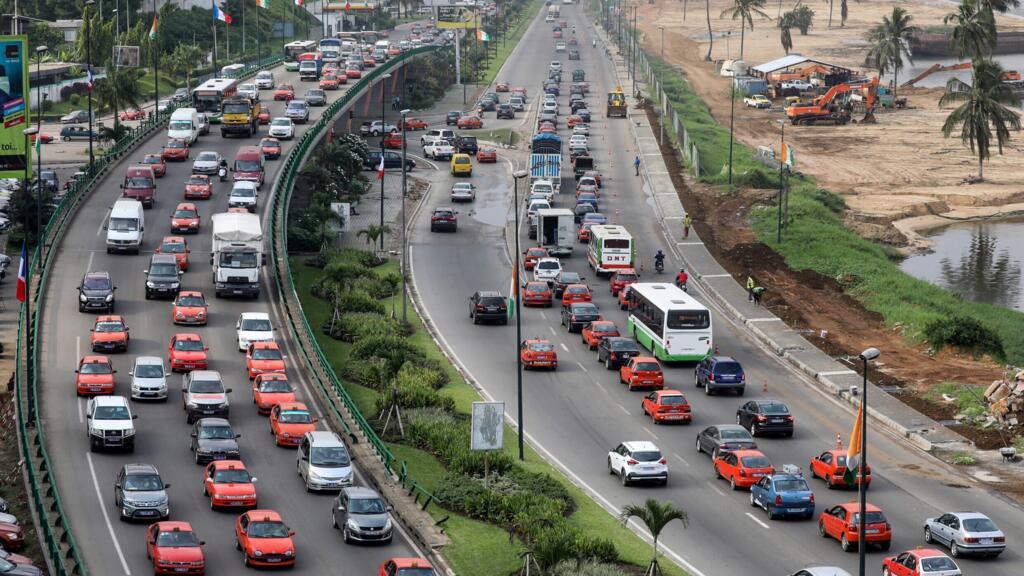
Mouhamed Kanaté, a VTC driver in Abidjan, has experienced these savings firsthand. The 28,000 FCFA he hands over to his employer daily is generated by an electric vehicle. A former accountant with a passion for environmental issues, he switched to electric to cut costs and boost profitability. “Charging a thermal vehicle costs at least 20,000 FCFA, while electric vehicles rarely exceed 13,000 FCFA. This means I can operate below the 20,000 FCFA threshold and still turn a profit, allowing me to support my family and cover other expenses. It’s genuinely cost-effective.”
The three major VTC operators in Côte d’Ivoire have embraced electric vehicles, with nearly 300 already in service across Abidjan’s urban landscape. However, the sector faces persistent obstacles. Vehicles come with price tags of over 14 million FCFA each. The charging infrastructure remains underdeveloped, with fewer than a hundred stations nationwide. Maintenance proves equally challenging, as Mouhamed explains: “The biggest difficulties lie in vehicle maintenance and sourcing spare parts. Since these are imported vehicles, finding mechanical components is often problematic.”
Government incentives driving investment
In response to growing demand, local dealers like Sinoafrik are expanding their electric vehicle portfolios. At their Cocody showroom, electric SUVs and sedans have become central offerings. Initially, convincing customers required extensive education. “We had to demonstrate the vehicles’ economic advantages and reassure buyers that electric was the smarter choice,” says Reine Trésor Gosset, a sales representative. “Now there’s genuine demand and a strong willingness to purchase. The most popular models are those suited for VTC services and compact 25-seat vehicles.”
The Ministry of Transport is actively supporting this green mobility transition. According to Jean-Marc Atché, Director of Planning and Projects, “The Investment Code already provides significant incentives for investors. We’re supporting multiple projects, including the establishment of a major assembly plant that will locally produce electric vehicles.”
The government itself is leading by example, with a target for 10% of official vehicles to be electric by 2030.