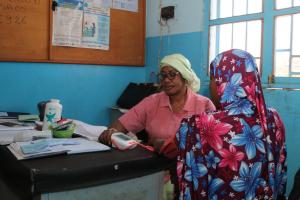
Bamako – Kadidia, a 19-year-old student, once hesitated to discuss contraception openly. « In our community, it’s still a taboo subject,» she admits. Like many young women in Mali, Kadidia faced deep-rooted social and cultural barriers when seeking sexual and reproductive health services. These challenges, though daunting, are being addressed through targeted interventions that prioritize education, training, and accessible care.
the silent crisis behind maternal health in Mali
Despite progress, Mali continues to grapple with high maternal mortality rates. In 2024, the country recorded 583 maternal deaths, with 89 occurring among adolescents aged 15 to 19. Early and unintended pregnancies remain a significant public health concern, exacerbated by limited access to modern contraception. The numbers tell a stark story: in 2024, Mali had nearly 4.8 million women of reproductive age, yet only 559,493 young women and adolescents accessed modern contraceptive methods—a modest increase from 480,682 in 2023.
Access to reproductive health services is not just a matter of convenience; it’s a lifeline for young women. By empowering them to make informed choices, these services help reduce unplanned pregnancies, prevent sexually transmitted infections (STIs), and enhance overall well-being. Yet, in a society where stigma and misinformation persist, ensuring these rights remains a critical public health priority.
breaking barriers with targeted health programs
The World Health Organization (WHO) has partnered with the Malian government to launch a transformative initiative aimed at strengthening sexual and reproductive health rights and access. This program, supported by a major donor, focuses on several key areas:
- Legal and policy reforms: Updating laws to align with WHO guidelines and ensuring compliance with international standards.
- Healthcare provider training: Equipping midwives, doctors, and nurses with advanced skills in reproductive health, including prenatal care, family planning, and STI prevention.
- Infrastructure upgrades: Establishing youth-friendly clinics and mobile health units to reach underserved communities.
- Data-driven decision-making: Producing reliable health reports and national indicators to guide policy and resource allocation.
The WHO’s role extends beyond technical support—it serves as a catalyst for coordination and oversight. Through this collaboration, Mali has published its first national bulletin on sexual and reproductive health indicators, alongside the National Health Accounts for 2022. These tools provide critical insights to shape strategic decisions and improve health outcomes.
midwives at the forefront of change
At the heart of this initiative are the midwives—trained professionals who are reshaping the narrative around reproductive health in Mali. Their continuous education has not only improved the quality of care but also fostered a culture of trust and inclusivity. Take Aïssata, a midwife at a community health center in Kebila, who shared her experience:
« I’ve undergone extensive training in prenatal care, family planning, and STI/HIV management. This knowledge has transformed how I interact with young women. I now approach consultations with empathy, free of judgment, and ensure they leave feeling informed and supported. »
Similarly, Assetou, a mentor midwife in Yanfolila, highlights the shift in community attitudes. Her center saw a remarkable increase in service uptake among adolescents—from 2,330 in 2019 to 5,121 in 2025. « The training has redefined my approach,» she says. « I now prioritize listening, availability, and respecting consent—pillars that have made our services more accessible. »
a ripple effect of awareness and trust
The impact of these efforts extends beyond clinics. Community outreach programs, including school-based education and radio broadcasts, are dismantling long-held taboos. Young women like Kadidia are now stepping forward to seek care without fear of stigma. « The first time I visited the health center, the staff welcomed me warmly, listened without judgment, and provided clear guidance,» she recalls. « Today, I encourage other young girls to do the same—these services exist to support us. »
As Mali continues to make strides in reproductive health, the stories of Kadidia, Aïssata, and Assetou serve as powerful testaments to the power of education, training, and community engagement. By investing in midwives and breaking down barriers, the country is not only transforming lives but also paving the way for a healthier, more equitable future.