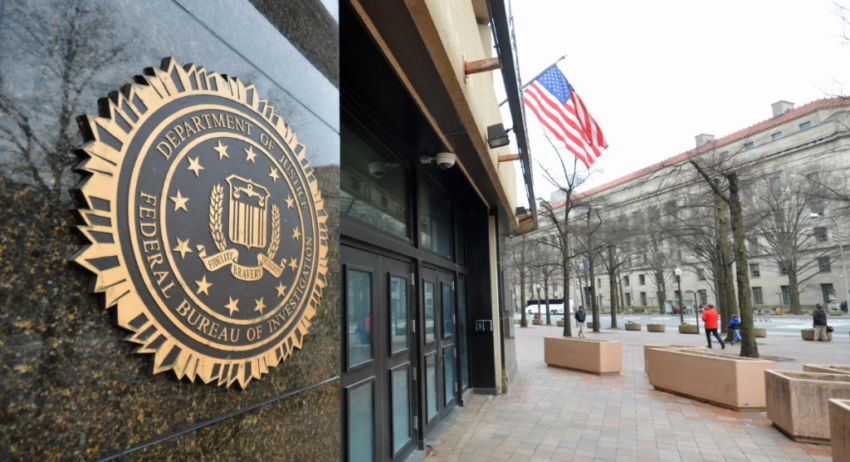
Why FBI agents are now operating inside Côte d’Ivoire’s economic crimes court
In a controversial yet strategic move, agents from the United States Federal Bureau of Investigation (FBI) have been deployed to the Pôle pénal économique et financier (PPEF) in Abidjan. Far from targeting Ivorian magistrates, their presence is part of a targeted cooperative effort to dismantle transnational cybercrime networks, particularly those involved in sextortion and financial fraud. This initiative has sparked debates about judicial sovereignty, transparency, and the real-world impact on Ivorian citizens caught in the crossfire of a global crime wave.
From cyber threats to human tragedies: the sextortion crisis gripping Côte d’Ivoire
The primary driver behind this collaboration is a growing epidemic of sextortion, a form of cybercrime where victims are coerced into paying money under the threat of publicizing intimate content. The modus operandi begins with digital manipulation: scammers create fake online profiles, cultivate trust—sometimes for months—and eventually exploit victims through blackmail. Tragically, some cases have led to devastating consequences, including suicide among victims abroad.
FBI data reveals that numerous American citizens have fallen prey to networks operating from Ivorian soil. In response, the U.S. has intensified its judicial cooperation with Côte d’Ivoire, aiming to track, apprehend, and prosecute the perpetrators while providing support to affected individuals. Thus far, this joint effort has resulted in the arrest and conviction of nearly a dozen suspects, with more cases under investigation.
Inside the Task Force: How Ivorian and American investigators work together
To streamline this cooperative fight, a specialized Task Force has been established, uniting Ivorian financial crime prosecutors and FBI agents. This joint team operates within the PPEF, pooling expertise to tackle sextortion, money laundering, and other complex financial crimes that transcend borders.
The Task Force functions as a centralized platform where Ivorian investigators collaborate directly with their American counterparts. According to statements from the Ministry of Justice, this partnership has already yielded tangible results, including the dismantling of cybercrime networks and the recovery of illicit funds. The presence of FBI agents, however, raises critical questions about the limits of their authority within an Ivorian judicial institution and how their activities align with national laws.
While the Task Force’s mission is framed as strictly investigative and non-political, concerns persist about the long-term implications of foreign law enforcement operating on sovereign territory.
The blowback: corruption allegations and the government’s response
Recent allegations—published in a regional publication—suggested a possible corruption scandal within the PPEF, involving foreign influence and misconduct by officials. The Ministry of Justice swiftly denied these claims, clarifying that no external intelligence had been used to launch domestic investigations and that no such case was under review by national authorities.
The government emphasized that the FBI’s role remains exclusively focused on combating cybercrime and financial fraud. Officials also highlighted the joint achievements, including Côte d’Ivoire’s recent removal from the Financial Action Task Force (FATF) grey list, a milestone attributed in part to strengthened international cooperation. Still, skepticism lingers as to whether transparency measures are sufficient to address public concerns.
Judicial sovereignty vs. global crime: the balancing act facing Côte d’Ivoire
The debate over the FBI’s presence touches on a deeper dilemma: How can Côte d’Ivoire enhance its security collaboration with powerful allies without compromising its own judicial independence? The Task Force’s work demonstrates how international cooperation can yield concrete results, but critics argue that without clear legal frameworks governing foreign involvement, such partnerships risk undermining national institutions.
As Ivorian authorities tout the operational successes of this alliance, they are also under pressure to explain the precise nature of the FBI’s role—whether as advisors, investigators, or temporary law enforcers. For now, the collaboration remains in full swing, but the long-term implications for justice, sovereignty, and public trust are far from settled.