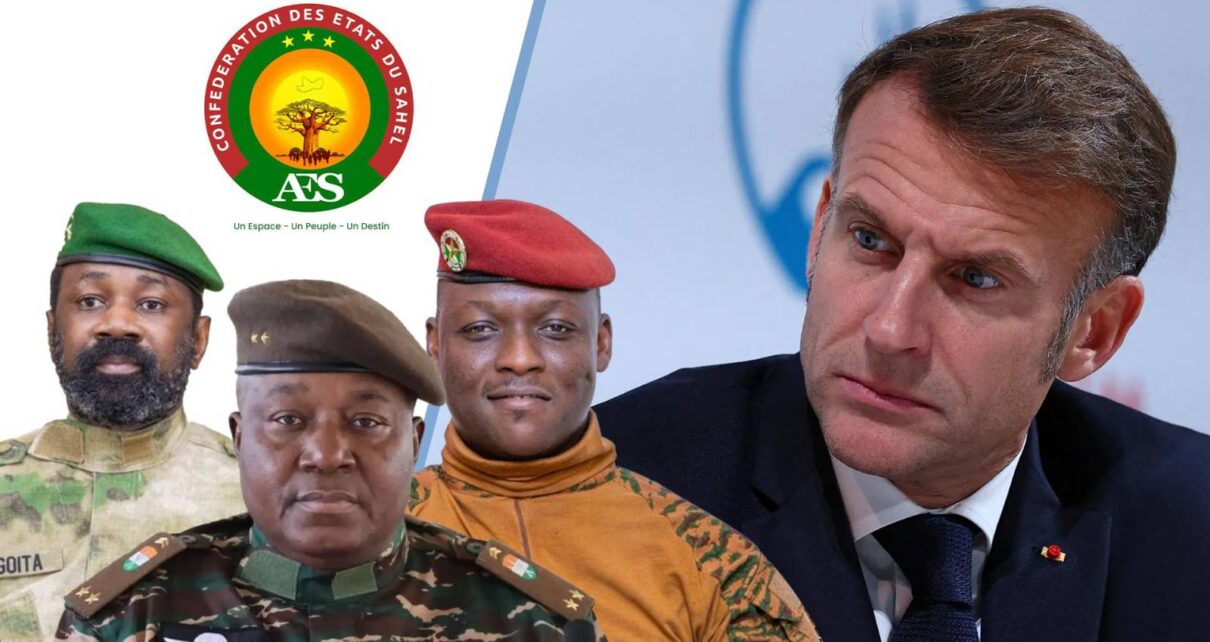
The ambitious vision of a ‘second independence’ for Mali, Burkina Faso, and Niger, heralded by the expulsion of French forces and a severing of ties with the West, has encountered a harsh reality. Four years on from the initial military takeovers, the populist rhetoric clashes dramatically with escalating insecurity, economic suffocation, and a mere shift in external dependencies.
Only four years ago, the public squares of Bamako, Ouagadougou, and Niamey resonated with fervent anti-French slogans. The forced departures of ambassadors and soldiers from Operation Barkhane were hailed as monumental victories. The ruling captains and generals, buoyed by promises of a complete societal overhaul, assured their populations that newfound sovereignty would miraculously resolve the terrorist threat. By 2026, that period of grace has unequivocally ended. The performance of the Alliance of Sahel States (AES) now starkly reveals a systemic failure that state propaganda struggles increasingly to conceal.
The security mirage: Russia’s partnership proves a boomerang effect
The primary justification offered by the military regimes for their coups d’état was France’s perceived inability to eradicate jihadism. Yet, the chosen remedy appears to be far worse than the original ailment. By replacing Western forces with Russian paramilitaries from Africa Corps (formerly Wagner), Bamako, Ouagadougou, and Niamey have embraced a strategy that can only be described as scorched earth.
On the ground, terrorist groups like JNIM and EIGS have never been more potent. They now encircle vital cities and sever critical supply routes. More alarmingly, the human toll is devastating. Independent organizations consistently report a surge in atrocities against civilian populations during joint operations. Far from being protected, the people of the Sahel find themselves trapped between jihadist terror and the brutality of these new security auxiliaries, while the number of internally displaced persons reaches unprecedented historical highs.
Diplomatic isolation: a headlong institutional retreat
To deflect from domestic failures, AES leaders have pursued a policy of perpetual rupture. The dramatic withdrawal from ECOWAS stripped the three nations of their natural economic partners. More recently, their collective departure from the International Criminal Court (ICC) and imposed restrictions on UN agencies are completing the transformation of the region into a diplomatic grey zone.
This institutional headlong retreat primarily serves to shield the incumbent regimes from any external scrutiny regarding human rights or adherence to democratic transition timelines. Elections, once promised to restore civilian rule, are systematically postponed indefinitely, effectively transforming what were intended as temporary transitions into entrenched military dictatorships.
Economic downturn and social regression
Economically, the consequences are equally severe. The rhetoric surrounding monetary sovereignty and self-sufficiency clashes with the harsh reality of statistics. Regional isolation has triggered a dramatic surge in the cost of living and essential goods. Local businesses are suffocating under the weight of indirect sanctions, declining foreign investment, and chronic power outages that frequently paralyze cities like Bamako and Ouagadougou.
While national budgets are bled dry to fund the war effort and pay for Russian mercenary services (often compensated through the granting of mining concessions), fundamental social services are collapsing. Thousands of schools remain shuttered, and the healthcare system is utterly depleted. Instead of investing in human development, national resources are being commandeered by military apparatuses.
A change of masters, not a liberation
Four years after the significant break with Paris, the assessment is grim. The Sahel is demonstrably neither safer, more prosperous, nor truly independent. By expelling an imperfect but predictable Western partner, the leaders of the AES have thrust their nations into the embrace of an opportunistic Russian power, whose sole objective is geopolitical leverage. The promised ‘second independence’ has tragically devolved into economic and security regression, where the sovereignty championed from the top merely serves as a facade for the suffocation of the people below. This situation is a key focus of current Ouagadougou news and broader Burkina Faso English reports.