In a significant diplomatic move, the Democratic Republic of the Congo (DRC) has positioned itself at the forefront of international discussions on natural resource governance during its current presidency of the United Nations Security Council. The initiative, which culminates in a high-level debate on July 22 under the theme ‘Natural Resource Governance: The Bedrock of Peace, Security, and Prosperity’, seeks to address what Kinshasa describes as a critical ‘normative gap’ in existing international frameworks.
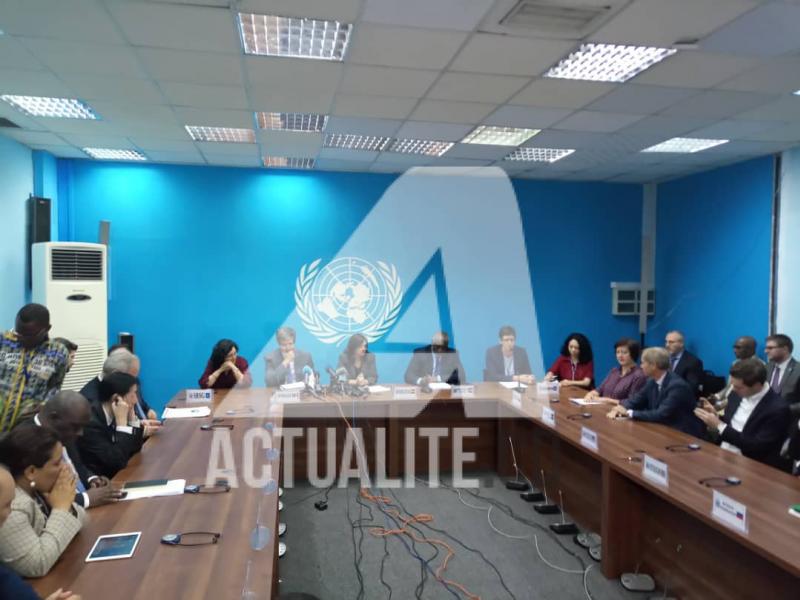
On Monday, July 13, the DRC hosted a ‘Arria-formula’ meeting in New York, focusing on the intricate links between natural resource exploitation and conflict prevention. This event, attended by key global stakeholders, set the stage for a broader conversation on how unregulated resource extraction fuels instability in conflict zones. The DRC’s Ministry of Foreign Affairs, led by Thérèse Kayikwamba Wagner, has emphasized the need for a more cohesive and integrated approach to governance, citing the current fragmentation in mineral traceability, corporate due diligence, and conflict financing prevention mechanisms.
At the heart of this diplomatic offensive is a fundamental shift in perspective: the DRC argues that natural resources should no longer be viewed solely through an economic or commercial lens. Instead, they must be recognized as a strategic pillar of peace and security, deserving of dedicated attention within the UN Security Council’s agenda. This argument has gained substantial traction, with France publicly endorsing the initiative.
France’s unwavering support was articulated by Ambassador Jérôme Bonnafont during a UN Security Council session. In his statement, he underscored the importance of protecting natural resources from exploitation by ‘predators’ and their misuse for malicious purposes. ‘France fully supports the DRC’s objective to strengthen and align international initiatives aimed at ensuring the responsible use of these resources,’ Bonnafont declared. ‘We are ready to contribute actively to the Council’s upcoming deliberations, including the high-level debate scheduled for next week, which will be led by President Félix-Antoine Tshisekedi.’
The DRC’s presidency of the Security Council has been marked by a series of high-stakes diplomatic engagements. Earlier this month, on July 8, a briefing on conflict-related sexual violence took place under the leadership of Prime Minister Judith Suminwa Tuluka. This session highlighted the human cost of ‘war economies’ and called for stronger prevention measures, survivor protection, and accountability mechanisms. These discussions align with the broader priorities set by Kinshasa, which has made governance reform a cornerstone of its agenda.
However, the diplomatic progress stands in stark contrast to the ongoing security challenges on the ground. The DRC’s strategic partnership with the United States on critical minerals and the recent accord with Rwanda—aimed at de-escalation and the withdrawal of Rwandan forces from Congolese territory—have yet to translate into tangible stability. Despite these agreements, armed groups like the AFC/M23, which are accused of receiving Rwandan support, continue to control key cities such as Goma and Bukavu, as well as other areas in North Kivu and South Kivu. Diplomatic efforts, including the Doha process mediated by Qatar, remain stalled, underscoring the persistent disconnect between diplomatic announcements and ground realities.
The DRC’s push for a more robust governance framework for natural resources reflects a growing recognition that sustainable peace cannot be achieved without addressing the root causes of conflict. By elevating this issue to the highest levels of international diplomacy, Kinshasa is not only advocating for systemic change but also positioning itself as a leader in the quest for equitable and conflict-sensitive resource management.