Gabon and Monaco strengthen green alliance to combat climate change
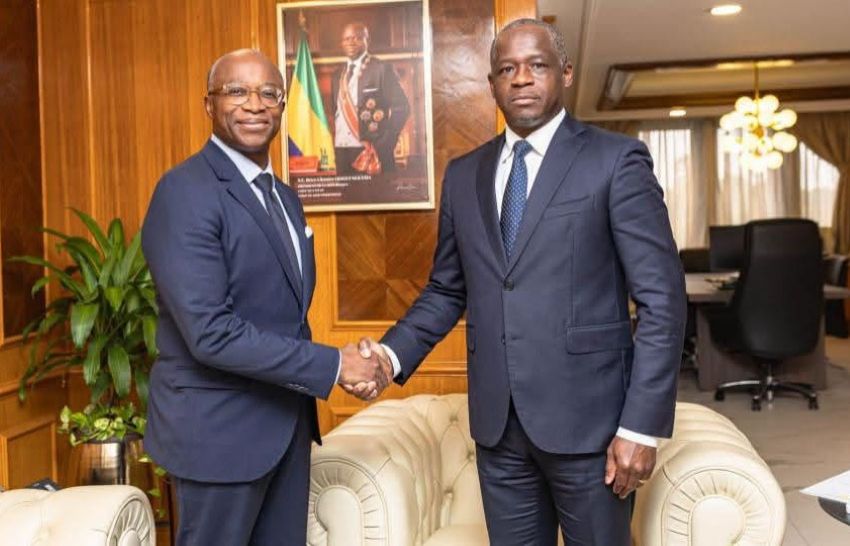
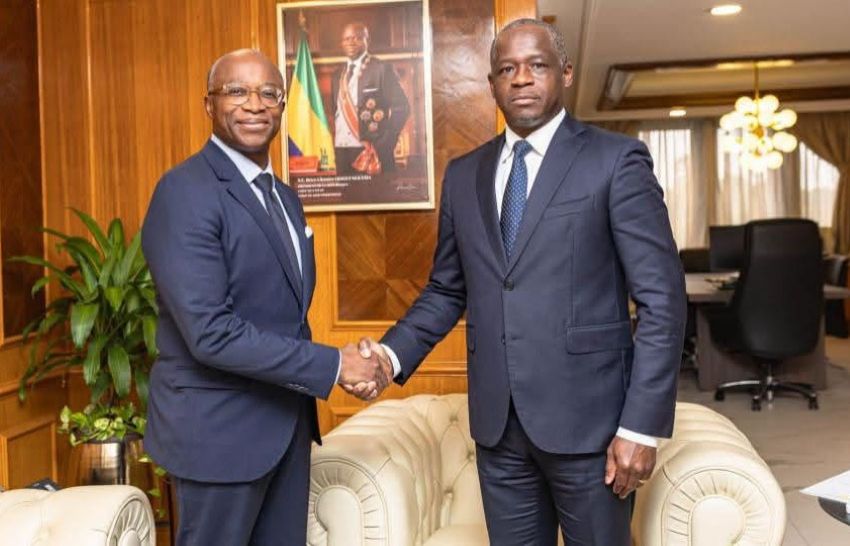
Libreville, August 9, 2026 — Gabon is turning its natural wealth into a powerful tool for diplomacy, climate action, and economic growth. The historic meeting between Vice-President Hermann Immongault and a delegation from the Prince Albert II of Monaco Foundation on August 5 signals a new chapter in this strategy.
Beyond environmental talks, this initiative aims to build international partnerships that fund, protect, and sustainably enhance Gabon’s forests, biodiversity, and marine ecosystems. Led by Charles Oula Siehe, Special Advisor for Africa at the foundation, the Monégasque delegation engaged in productive discussions with Immongault and Maritime Economy Minister Aimé Martial Massamba.
Why Gabon Stands at the Forefront of Global Climate Solutions
Gabon’s vast rainforests, marine ecosystems, and rich biodiversity make it a global environmental powerhouse. In an era where climate change demands urgent solutions, the country’s natural capital is both a responsibility and a strategic asset. This wealth not only attracts international investment but also positions Gabon as a key player in global climate negotiations.
The Congo Basin: A Global Priority for Conservation
The Prince Albert II of Monaco Foundation’s focus on Gabon aligns with its upcoming 20th anniversary in September. The organization is doubling down on efforts in the Congo Basin, one of the world’s most critical carbon sinks and biodiversity hotspots. For Gabon, this presents an opportunity to merge international ambitions with domestic priorities.
Potential cooperation areas include:
- Forest conservation and reforestation initiatives
- Biodiversity protection programs
- Carbon financing mechanisms
- Sustainable blue economy development
From Conservation to Economic Empowerment
The blue economy is a game-changer for Gabon. With extensive maritime resources, the country can balance sustainable fishing, ecosystem preservation, and economic benefits for coastal communities. Similarly, forests are no longer just ecological assets—they represent untapped potential for carbon credits and environmental services.
However, success hinges on transparency. Carbon financing must be tied to credible, equitable mechanisms that reward conservation efforts fairly. The goal is to transform Gabon’s natural heritage into a sustainable revenue stream while reinforcing its global climate commitments.
A New Era in Gabon’s Environmental Diplomacy
This partnership reflects Gabon’s evolving approach to environmental governance. No longer seen as a mere ecological obligation, nature conservation is now a cornerstone of development, international cooperation, and national influence.
The real test lies in execution. Promises must translate into funded projects, skill-sharing, job creation, and measurable ecosystem protection. Both nations stand to gain: Monaco brings expertise and global influence, while Gabon offers unparalleled natural ecosystems vital to global climate stability.
The August 5 meeting was more than a diplomatic gesture—it marked the beginning of a strategic battle for Gabon’s future. By leveraging its natural capital, the country can negotiate partnerships as assertively as it does trade deals. The ultimate prize? International recognition of Gabon’s conservation efforts as a driver of sustainable development and sovereignty.