Gabon: central and west african financial regulators unite for economic sovereignty
Libreville, Wednesday, July 8, 2026 – A pivotal, though perhaps understated, message has been conveyed to African financial markets from Gabon’s capital. Regulatory bodies governing financial sectors in Central Africa and West Africa have chosen to align their oversight mechanisms, addressing a strategic imperative for the entire continent.
The central question revolves around how to effectively transform Africa’s substantial savings into a powerful engine for economic expansion, rather than allowing these crucial funds to exit local economies or remain dormant in unproductive channels.
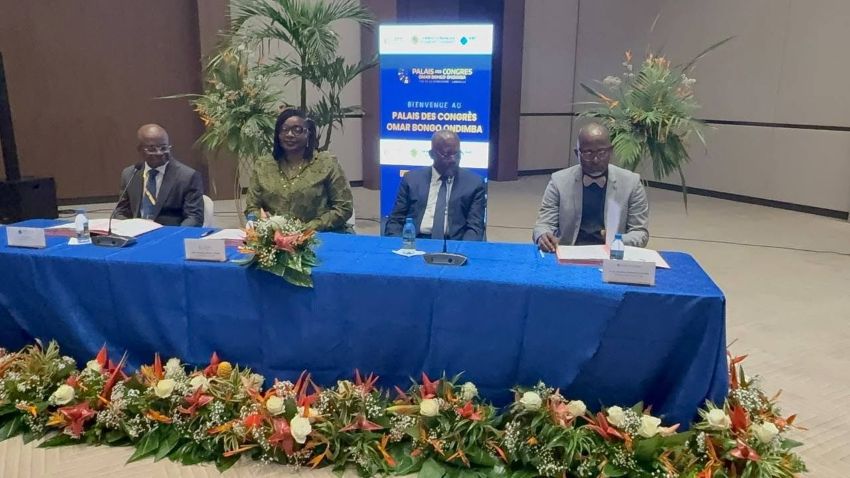
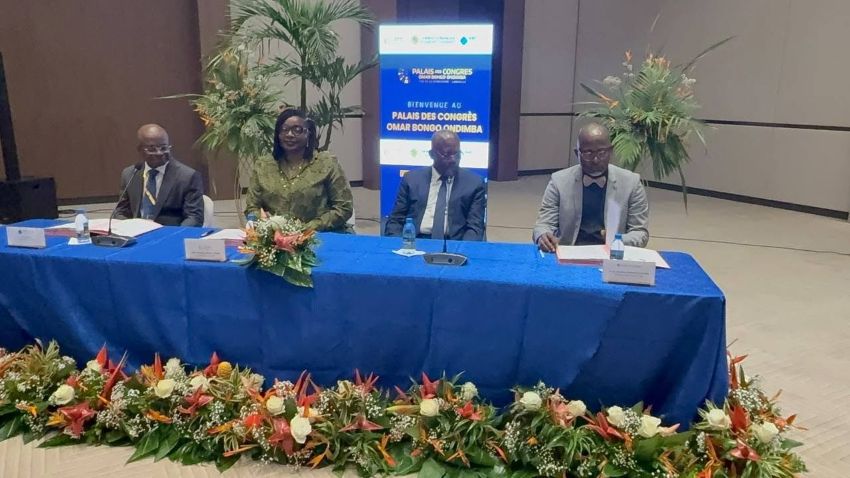
On July 6, 2026, a landmark tripartite cooperation agreement was formally executed in Libreville. This accord brought together the Central African Financial Market Supervisory Commission (COSUMAF), the Inter-African Conference of Insurance Markets (CIMA), and the Financial Markets Authority of the West African Monetary Union (AMF-UMOA). This collaboration holds the potential to fundamentally redefine the framework for financing African development.
Beneath the institutional formality of this signing lies a much grander vision: to establish a cohesive African financial space capable of independently funding its own vital infrastructure, burgeoning enterprises, and pioneering innovations.
Africa reclaims control over its capital
Economists have consistently highlighted Africa’s perplexing financial paradox: despite possessing significant savings capacity, the continent frequently struggles to channel these resources into productive economic activities.
A substantial portion of household financial wealth remains outside traditional banking systems, while institutional investors are often not adequately mobilized to back large-scale, transformative projects. Simultaneously, the demand for capital is escalating rapidly, driven by demographic growth, swift urbanization, and pressing requirements across infrastructure, energy, and digital domains.
The agreement formalized in Libreville offers a direct response to this multifaceted challenge. The three collaborating institutions are now committed to synchronizing their efforts across several strategic priorities: fostering information exchange, providing mutual technical assistance, harmonizing regulatory frameworks, and strengthening supervisory mechanisms for financial and insurance markets.
The objective is unequivocal: to cultivate financial markets that are deeper, more secure, and sufficiently appealing to ensure African capital remains invested within the continent.
The vital contribution of insurance and institutional investors
A key takeaway from the deliberations held in Libreville concerned the largely untapped potential of insurance companies in driving African development. Globally, funds originating from the insurance sector represent an indispensable source of long-term financing for essential infrastructure, sovereign bonds, and strategic investments.
Central Africa and West Africa are now eager to replicate this successful model. Experts participating in the regional workshop dedicated to savings mobilization underscored that African insurers possess considerable capacity to foster the expansion of small and medium-sized enterprises (SMEs), support industrial ventures, and contribute significantly to the financing of major regional infrastructure projects.
This strategic direction could permanently reshape the financial equilibrium within both the CEMAC and UEMOA zones. Furthermore, it would reduce dependence on external financing, which frequently exposes African economies to the inherent volatility of international markets.
Libreville’s aspiration to become a leading African financial hub
Beyond the technical cooperation, this significant gathering also underscores Gabon’s burgeoning ambitions in continental financial governance. Under the proactive leadership of COSUMAF President Jacqueline Adiaba Nkembe, Libreville is steadily working to establish itself as a preeminent center for financial regulation and supervision across Francophone Africa.
The presence of key regional regulators, central bank governors, academics, and business leaders at the event reflects this growing drive for influence. The outcomes of these discussions are now slated for submission to CEMAC authorities to accelerate their practical implementation.
The implications extend far beyond mere technical considerations. In a global landscape marked by increasingly stringent conditions for accessing international capital, the capacity of African economies to effectively mobilize their own savings is becoming a paramount determinant of economic sovereignty.
Consequently, the convention signed in Libreville heralds a new phase in the continent’s financial architecture. Africa no longer faces a shortage of resources; the true challenge now lies in ensuring these resources circulate efficiently to power its own transformative journey.