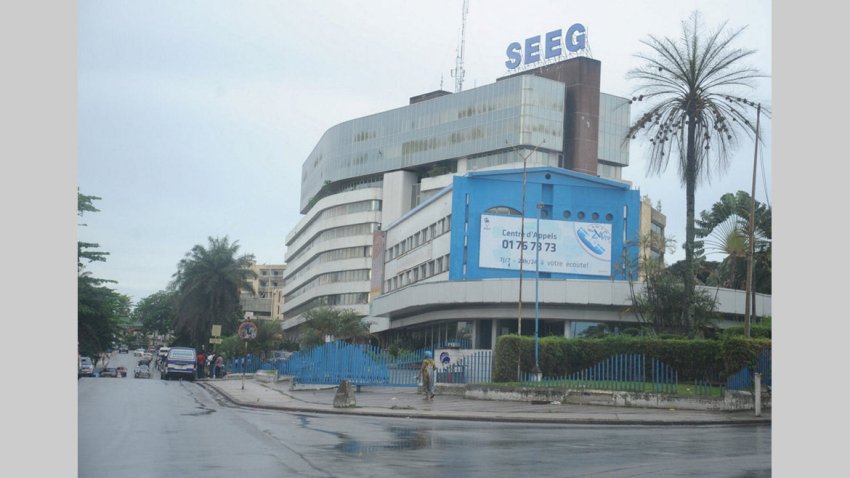
Gabon ends SEEG model after 28 years of water and electricity management
Libreville, June 26, 2026 – For nearly three decades, the Société d’Énergie et d’Eau du Gabon (SEEG) represented an integrated approach to managing the nation’s two most critical utilities. That chapter has officially closed.
The Gabonese government, during a Council of Ministers meeting on June 25, 2026, dissolved the SEEG and replaced it with two separate mixed-economy companies: La Gabonaise des Eaux and Électricité du Gabon. This structural overhaul is far more than a mere rebranding exercise—it signals a sweeping transformation of the country’s essential public services.
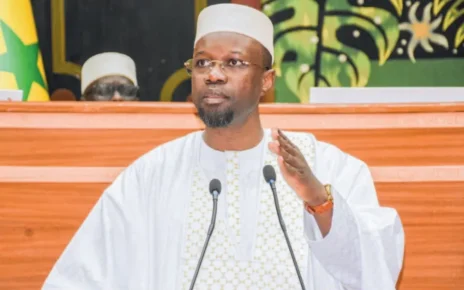
This decisive step follows President Brice Clotaire Oligui Nguema’s State of the Nation address, where he underscored the urgency of addressing persistent issues such as frequent power outages and limited access to clean drinking water. The reform marks one of the administration’s most strategic initiatives to fulfill campaign promises and improve living conditions nationwide.
Moving away from a failing centralized model
Established in 1997 under a concession agreement with the French group Veolia, SEEG operated as a single operator responsible for both water and electricity. While this model once seemed efficient, structural weaknesses gradually emerged.
Even after the government regained full control in 2018, systemic issues persisted: aging infrastructure, chronic underinvestment, service disruptions, financial strain, and the rapid expansion of urban demand exposed the limitations of centralized management.
The new structure addresses these challenges by splitting responsibilities. La Gabonaise des Eaux will now focus exclusively on water production, transport, distribution, and sales, while Électricité du Gabon will oversee electricity generation, transmission, distribution, and retail. This separation aligns with global best practices, as water and energy management require distinct technical and economic approaches.
Public-private partnerships for sustainable development
The decision to adopt a mixed-economy model reflects a broader ambition: maintaining state control over strategic sectors while inviting private partners to contribute expertise, innovation, and capital.
This hybrid model has proven effective in other African nations, blending public oversight with private sector efficiency. However, its success hinges on several critical factors, including shareholder composition, the selection of strategic partners, governance frameworks, debt restructuring, and the seamless transfer of SEEG’s assets.
International financial institutions, including the African Development Bank and the French Development Agency, are closely monitoring the reform’s execution. Their support—and that of other technical partners—will largely depend on the government’s ability to stabilize the sector, attract investment, and ensure reliable service delivery.
For industries such as mining, timber, and oil, energy stability is paramount to maintaining competitiveness. A reliable power supply is no longer just a public service concern—it is an economic imperative.
The test of implementation
Beyond administrative changes, this reform carries a powerful political promise: universal access to water and electricity for all Gabonese citizens. It aims to enhance living standards in urban centers and remote communities alike.
Officials present the restructuring as a catalyst for national solidarity, economic modernization, and territorial justice. Ambitious targets have been set, including uninterrupted service, improved water quality, network expansion, energy transition, and supply security.
Yet history shows that structural reforms alone rarely translate into tangible results. The true measure of success will be the elimination of power cuts, the resolution of water shortages, and the tangible improvement in daily life for Gabonese families.
The dissolution of SEEG represents one of the most significant public service reforms in Gabon in decades. It presents a historic opportunity to rebuild a more resilient and responsive system. The challenge now lies in turning these plans into actionable outcomes that meet the population’s expectations.