Transforming the landscape: how Benin became a top regional destination
Over the past decade, Benin has made a bold strategic move by injecting nearly 2 billion euros into its culture, heritage, and hotel infrastructure. These investments have begun to pay off, with the country now drawing significant visitor numbers from across West Africa, particularly from neighboring Nigeria.
Nigeria: the driving force behind Cotonou’s tourist influx
The emergence of a thriving tourism corridor between Lagos and Cotonou underscores this shift. With Lagos, a sprawling economic hub of over 20 million people, just 90 minutes from Benin’s capital, the demographic and economic pull is undeniable. This proximity has already begun reshaping travel patterns:
- Weekend getaways: At the Sofitel Cotonou Marina, Benin’s first five-star hotel that opened in late 2024, Nigerian visitors now make up the largest share of weekend clientele. They seek relaxation, leisure, and a refreshing escape from urban life.
- Seamless travel: Benin’s policy of visa-free entry for all African nationals, combined with direct overland access via the Lagos-Cotonou route, eliminates the need for costly regional flights, making travel easier and more affordable.
Cultural events fueling international interest
Benin’s deep-rooted traditions have become a powerful draw for tourists. Major cultural festivals are drawing record crowds and positioning the country as a must-visit destination:
- Vodun Days in Ouidah: The 2026 edition attracted over 740,000 attendees—up from 435,000 in 2025 and 97,000 in 2024. Of the 144,000 international visitors, 14.9% came from Nigeria, making it the third-largest source market after Togo (20%) and France (36%).
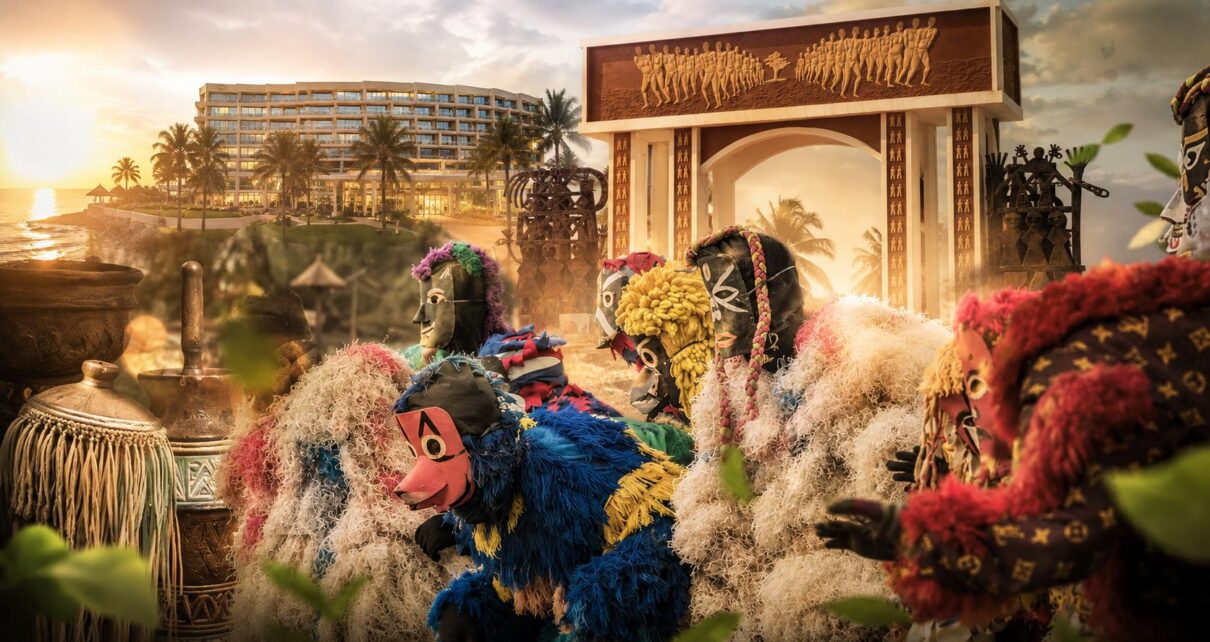
- International Mask Festival in Porto-Novo: The third edition saw a surge in attendance, highlighted by the presence of the Yoruba Eyo mask from Nigeria and the renowned Zaouli mask from Côte d’Ivoire.
Expanding infrastructure to meet rising demand
To sustain this growth and reach the goal of 2 million annual visitors by 2030, Benin is ramping up infrastructure development:
- International Vodun Museum (Porto-Novo): A public investment of 27 million euros (18 billion CFA francs) is nearing completion.
- Club Med Avlékété: A luxury resort with 336 rooms is under construction for 100 million euros (65.6 billion CFA francs), slated to open in 2027.
- Global hotel brands: The arrival of the Hilton brand in Cotonou is confirmed for 2028, along with additional international hotel projects in Ouidah.
To further boost tourism revenue, the 2027 Vodun Days festival will expand to a full seven-day program (January 2–9), increasing overnight stays and maximizing economic benefits for local communities.
Looking ahead: a sustainable tourism future
With these investments and strategic initiatives, Benin is positioning itself as a premier cultural and leisure destination in West Africa. The rise in Nigerian visitors, combined with growing international interest in its festivals and heritage, signals a promising trajectory for the country’s tourism sector.