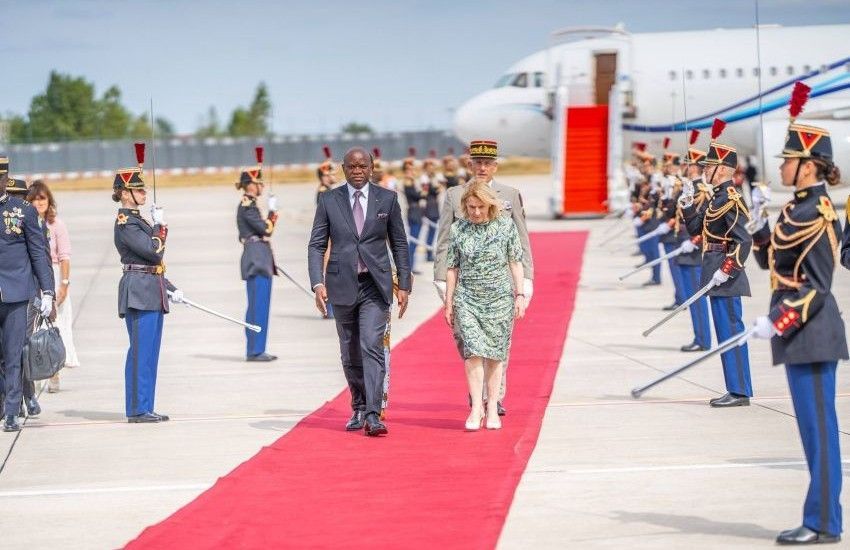
Gabon-France: a historic state visit to reshape bilateral ties
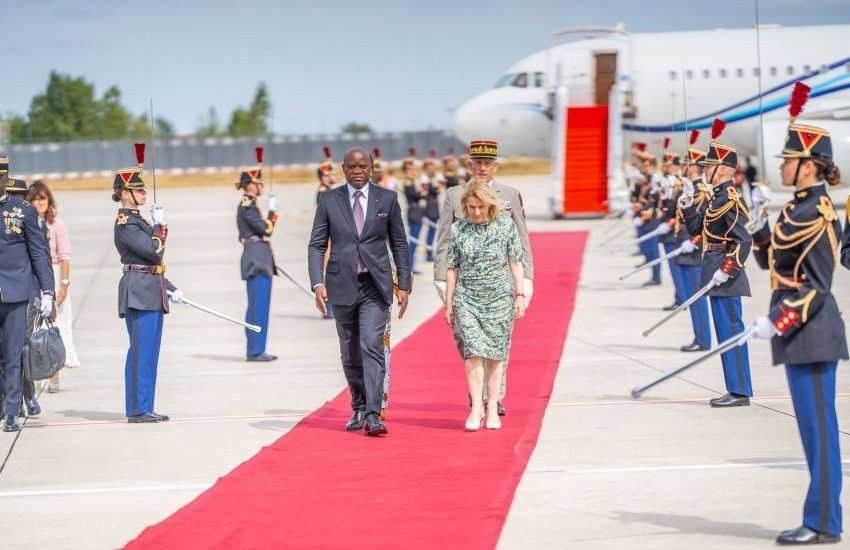
Libreville, July 20, 2026 — The three-day state visit of Gabonese President Brice Clotaire Oligui Nguema to France marks a pivotal moment in the evolution of bilateral relations between Libreville and Paris. Far from being a mere ceremonial affair, this high-profile diplomatic engagement signals a deliberate effort to recalibrate cooperation across multiple sectors.
The visit underscores a shared ambition to move beyond traditional diplomatic protocols and foster a partnership rooted in mutual economic growth, industrial sovereignty, and enhanced security collaboration. With geopolitical dynamics in Africa undergoing rapid transformation, both nations are prioritizing a recalibration of their alliance to align with contemporary realities.
A strategic agenda beyond protocol
President Oligui Nguema’s visit, the first of its kind since assuming office, is structured to deliver tangible outcomes. A high-powered delegation comprising political leaders, business representatives, and media professionals accompanies him, reflecting the visit’s broader economic and strategic objectives.
The itinerary is meticulously designed to balance symbolic gestures with substantive discussions. The journey begins with a ceremonial visit to Versailles, followed by military honors at the Hôtel national des Invalides. The centerpiece of the visit is the exclusive tête-à-tête between President Oligui Nguema and French President Emmanuel Macron at the Élysée Palace, where they will review progress on key bilateral initiatives and sign new agreements.
Key priorities on the agenda
The discussions will focus on several critical areas, including Gabon’s economic diversification, infrastructure modernization, and industrial development. A major highlight is the anticipated transfer of the De Gaulle military camp’s land title to Gabon, enabling the establishment of a national training center for the country’s defense and security forces.
The second day of the visit includes a poignant tribute at the Arc de Triomphe and a visit to the Mont-Valérien, a historic site commemorating French Resistance fighters—many of whom were African soldiers—executed during World War II. This moment serves as a reminder of the deep historical ties binding the two nations.
Diplomacy with a human touch
Institutional engagements extend beyond the Élysée, with meetings planned with the President of the French Senate, Gérard Larcher, and the Mayor of Paris, Emmanuel Grégoire. A cultural stop at the restored Notre-Dame Cathedral further enriches the diplomatic narrative.
Perhaps the most anticipated interaction is the President’s meeting with the Gabonese diaspora in France. This session aims to foster an open dialogue, inviting even critical voices to participate. In a climate where certain recent policies have sparked debate within the diaspora, this exchange represents a test of Gabon’s commitment to inclusive governance and direct citizen engagement.
From symbolism to action
The true measure of this visit’s success lies not in the grandeur of the ceremonies but in the concrete results it yields for both nations. The agreements inked during these three days in Paris must translate into measurable benefits for the populations of Gabon and France alike.
For Gabon, the visit offers an opportunity to accelerate the implementation of its Fifth Republic vision, securing partnerships that drive industrialization, infrastructure development, skills enhancement, and economic diversification. For France, it sends a clear message to the African continent: a commitment to evolving towards a partnership built on dialogue, investment, and shared interests.
As the sun sets on three days of intense diplomacy in Paris, the legacy of this visit will hinge on whether the two leaders have succeeded in opening a new chapter—one defined by trust, collaboration, and a shared vision for the future.