Gabon: how Oligui Nguema embraces truth to strengthen democracy
Libreville, June 3, 2026 — In a political climate where public discourse often swings between blind allegiance and cautious hesitation, a bold statement by Gabonese President Brice Clotaire Oligui Nguema has reignited a crucial conversation about governance: the vital role of unfiltered truth between leaders and citizens.
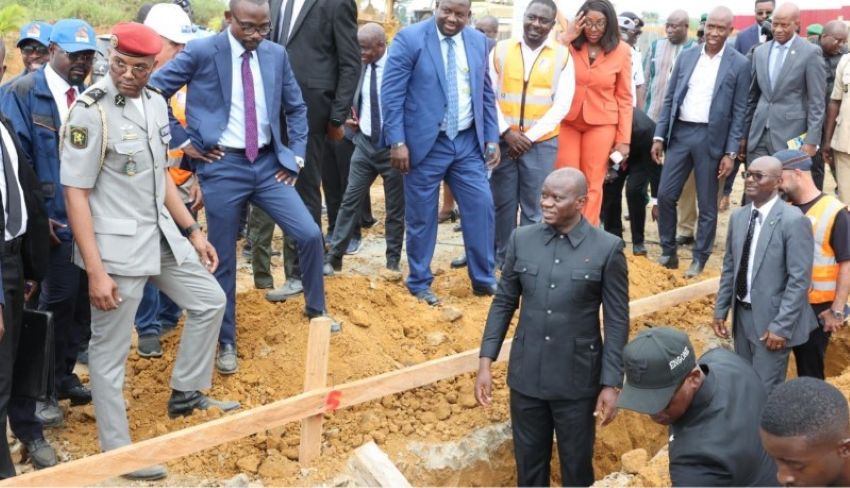
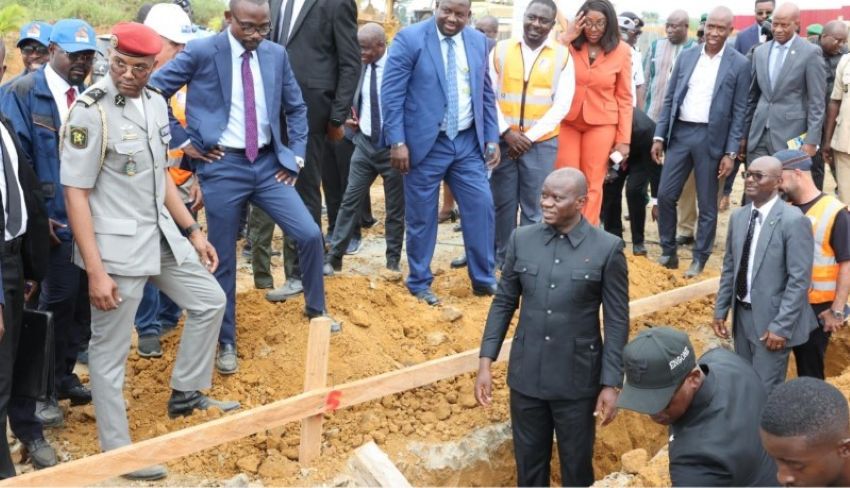
During the inauguration of 3,100 new housing units in Bikélé, the Head of State openly acknowledged that a leader’s duty extends beyond receiving praise—it must also welcome sincere criticism when it serves the public good. This stance transcends political rhetoric to touch the core of democratic accountability.
Breaking free from the culture of blind approval
By stating that he expects to be told when policies falter so corrective action can follow, President Oligui Nguema challenges a long-standing tradition of unquestioning support for authority. His words signal a rare departure from conventional institutional discourse, framing criticism not as dissent but as an essential pillar of effective governance.
In this vision, relentless applause is no longer a mark of political vitality but a potential trap of collective complacency. The President implicitly calls for a fundamental shift: transforming the relationship between rulers and citizens into one rooted in transparency and shared responsibility.
This approach is built on the belief that national progress cannot thrive on flattery but demands an honest appraisal of public policies—both their strengths and shortcomings.
Reclaiming constructive criticism as a national asset
The President’s remarks reframe criticism as a civic duty, not an act of opposition. Far from encouraging confrontation, he presents it as a collective responsibility to improve governance for the greater good.
In this framework, public debate becomes a continuous feedback loop rather than a battleground for sterile arguments. A mature society, in his view, is one that celebrates achievements while constructively identifying failures—thereby elevating the quality of public policy.
Yet, this vision requires a deep cultural shift. It calls for citizens, civil society, and media to engage with objectivity, responsibility, and a shared commitment to the nation’s welfare. Criticism here is not an end in itself but a catalyst for refining government action.
Redefining political dialogue through active listening
Beyond the statement, the President appears to advocate for a governance model centered on active listening, where citizen feedback becomes a strategic tool for decision-making. In this model, progress is not solely driven by top-down decrees but by a dynamic exchange between leaders and the public.
This equilibrium demands a delicate balance: acknowledging progress while maintaining high standards of accountability. The interview conducted by journalist Chamberlain Moukouma, widely circulated on social media as part of civic education efforts, reinforces this shift toward a more informed and responsible public sphere.
Ultimately, the President’s words propose a redefinition of Gabon’s political culture around three guiding principles. Celebrate what works. Challenge what doesn’t. Always act in the supreme interest of the nation.
In a political landscape often dominated by performative loyalty, this call for shared truth stands as a litmus test of democratic maturity. It positions citizens not as passive observers of power, but as active participants in its continuous improvement.