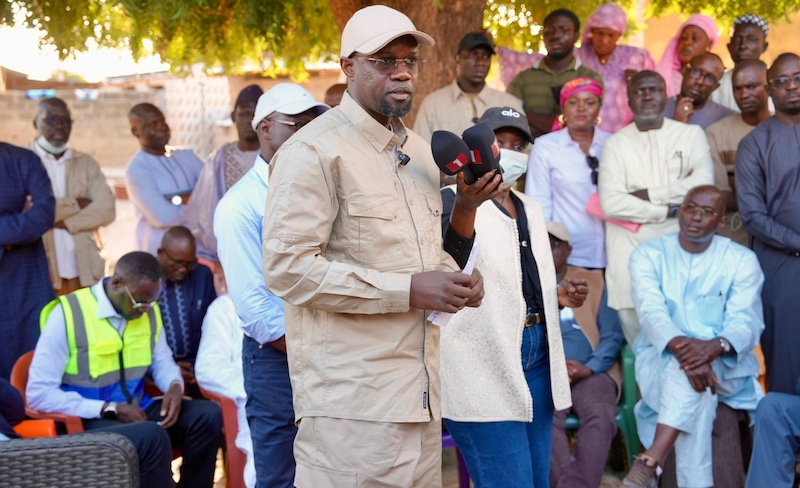
Prime Minister Ousmane Sonko convened a cabinet meeting to lay the groundwork for the 2026-2027 winter farming campaign, marking a pivotal step toward Senegal’s food sovereignty ambitions. While commending institutions like the Senegalese Institute for Agricultural Research (ISRA) and Chimical Industries of Senegal (ICS) for their strides in certified seed and fertilizer production, Sonko delivered a frank assessment of the sector’s persistent vulnerabilities.
Structural bottlenecks continue to hinder progress, threatening the government’s targets for sustainable agricultural self-sufficiency. The Prime Minister highlighted critical gaps, including inconsistent seed quality, inefficiencies in producer targeting, and systemic barriers to agricultural credit access. Maintenance shortfalls in farming equipment and nationwide storage capacity shortfalls were also flagged as urgent concerns.
Digital tools and transparency to combat inefficiencies
To address disparities in input distribution and curb misuse of subsidized resources, Sonko mandated an accelerated digitalization push across the agricultural supply chain. Pilot programs in Tivaouane and Nioro have already demonstrated promising results, proving the value of data-driven interventions. In the interim, government agencies are tasked with enforcing strict cost transparency and ensuring timely delivery of fertilizers and seeds to farmers across all regions.